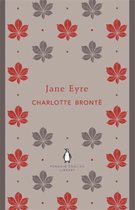
Notes on Jane Eyre by Charlotte Brontë
Key Themes and Symbols
● “Jane Eyre” has a retrospective narration. She reflects on her juvenile
isolation from the perspective of a grown woman who has built a life and
small community for herself, particularly evident in how she reflects
upon her relationship with the Rivers in the final chapter. Jane reflects
ten years on from her marriage.
● It’s important to remember that “Jane Eyre”’s full title is “Jane Eyre: An
Autobiography”. Whilst it is still a work of fiction, this highlights the first
person narration and the deep bond with an isolated protagonist. It also
alludes to the autobiographical aspects of the novel which parallel the
life of the author.
● Typical of a Bildungsroman novel, “Jane Eyre” follows the titular
character as she pursues her aspirations, which are set against the
pressures of societal expectations. In “Jane Eyre”, Jane’s hopes of
achieving both a family and independence defy the limits placed upon
her by gender and social class.
● Bertha can symbolise the mistrust placed on anything “foreign” and
un-English, as well as the unsavoury aspects of Rochester’s past.
● Judgement and Emotion: The conflict between emotion and
judgement is paramount. Jane learns balance, whilst Rochester’s
principle flaw is that he gives in to passion. Rochester and St John err in
giving too much power to either one of these motivations, but only
Rochester reconciles them to win Jane’s heart. Jane Eyre shows the
necessity of avoiding either extreme, allowing feeling and logic to exist
in harmony.
, ● Family Vs Independence: At Gateshead, Jane is reared as a
dependent, rather than a family member. Jane wishes to escape this.
Jane, Helen and MIss Temple show the necessity of female friendship
in youth, and this is parallel by her later familial connection with Diana
and Mary. Jane seeks independence (“I am no bird; and no net
ensnares me”), but is not opposed to submission. She expresses that
she would be content to serve a man if he were worthy of it, similarly to
how she submits to religion. Rather than another shackle, however,
Jane’s religious faith and marriage bolster her strength and she believes
that she has found a true equal in Rochester. Jane balances mastery
and servitude, reflected by how (at the novel’s end) she only guides
Rochester out of love, rather than compulsion.
● Societal Expectations and Class Relations: Victorian society was
dominated by social class, and people typically died in the class that
they were born into. However, the Industrial Revolution was creating a
new economy, leading to shifting social statuses. Born penniless but
with noble ancestry, Jane acts between the tightly defined classes as a
governess (as did Charlotte Brontë). Her very existence challenges the
social norms of the day. This enhances her isolation, as her social
superiors are threatened by her and she cannot find solidarity with the
serving class either. Brontë criticises these social divisions by showing
the consequences of class conflict (like the struggles within the
relationship of Jane and Rochester). Through Jane’s assertions that she
will be judged on character, not class (particularly in the proposal
scene), Brontë argues that people should be judged on their personal
virtues. Jane does follow some social rules (for example, refusing to be
Rochester’s mistress), but this is out of principle. Jane’s status as an
outsider means that she is desperate for outside approval. Jane’s
marriage to Rochester may be seen as a metaphor for resolving class
differences.
Key Themes and Symbols
● “Jane Eyre” has a retrospective narration. She reflects on her juvenile
isolation from the perspective of a grown woman who has built a life and
small community for herself, particularly evident in how she reflects
upon her relationship with the Rivers in the final chapter. Jane reflects
ten years on from her marriage.
● It’s important to remember that “Jane Eyre”’s full title is “Jane Eyre: An
Autobiography”. Whilst it is still a work of fiction, this highlights the first
person narration and the deep bond with an isolated protagonist. It also
alludes to the autobiographical aspects of the novel which parallel the
life of the author.
● Typical of a Bildungsroman novel, “Jane Eyre” follows the titular
character as she pursues her aspirations, which are set against the
pressures of societal expectations. In “Jane Eyre”, Jane’s hopes of
achieving both a family and independence defy the limits placed upon
her by gender and social class.
● Bertha can symbolise the mistrust placed on anything “foreign” and
un-English, as well as the unsavoury aspects of Rochester’s past.
● Judgement and Emotion: The conflict between emotion and
judgement is paramount. Jane learns balance, whilst Rochester’s
principle flaw is that he gives in to passion. Rochester and St John err in
giving too much power to either one of these motivations, but only
Rochester reconciles them to win Jane’s heart. Jane Eyre shows the
necessity of avoiding either extreme, allowing feeling and logic to exist
in harmony.
, ● Family Vs Independence: At Gateshead, Jane is reared as a
dependent, rather than a family member. Jane wishes to escape this.
Jane, Helen and MIss Temple show the necessity of female friendship
in youth, and this is parallel by her later familial connection with Diana
and Mary. Jane seeks independence (“I am no bird; and no net
ensnares me”), but is not opposed to submission. She expresses that
she would be content to serve a man if he were worthy of it, similarly to
how she submits to religion. Rather than another shackle, however,
Jane’s religious faith and marriage bolster her strength and she believes
that she has found a true equal in Rochester. Jane balances mastery
and servitude, reflected by how (at the novel’s end) she only guides
Rochester out of love, rather than compulsion.
● Societal Expectations and Class Relations: Victorian society was
dominated by social class, and people typically died in the class that
they were born into. However, the Industrial Revolution was creating a
new economy, leading to shifting social statuses. Born penniless but
with noble ancestry, Jane acts between the tightly defined classes as a
governess (as did Charlotte Brontë). Her very existence challenges the
social norms of the day. This enhances her isolation, as her social
superiors are threatened by her and she cannot find solidarity with the
serving class either. Brontë criticises these social divisions by showing
the consequences of class conflict (like the struggles within the
relationship of Jane and Rochester). Through Jane’s assertions that she
will be judged on character, not class (particularly in the proposal
scene), Brontë argues that people should be judged on their personal
virtues. Jane does follow some social rules (for example, refusing to be
Rochester’s mistress), but this is out of principle. Jane’s status as an
outsider means that she is desperate for outside approval. Jane’s
marriage to Rochester may be seen as a metaphor for resolving class
differences.