Physiology of Human Body Systems
Understand the impact of disorders off the musculoskeletal system
and their associated corrective treatments
Musculoskeletal Disorders
Musculoskeletal disorders are injuries or pain in the human musculoskeletal
system, including the joints, muscles, nerves, ligaments, tendons and vital
structures supporting the limbs, neck, back.
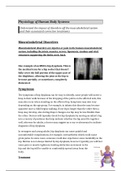
One example of an MSD is hip dysplasia. This is
the medical term for a hip socket that doesn’t
fully cover the ball portion of the upper part of
the thighbone, allowing the joint at the hip to
become partially, or sometimes, completely
dislocated.
Symptoms
The symptoms of hip dysplasia can be easy to identify, some people will notice a
limp in their walk because of the dropping of the pelvis on the affected side, this
may also occur when standing on the affected hip. Symptoms may also vary
depending on the age group. For example, in infants this disorder may become
apparent once a child begins walking, if one leg is longer than the other then a
limp may develop, also during diaper changes one hip may be less flexible than
the other. Doctors will typically check for hip dysplasia by moving an infant’s leg
into a variety of positions that help indicate whether the hip joint fits together
well, whereas for adults, a doctor may suggest an x-ray or ultrasound to indicate
diagnosis of hip dysplasia.
In teenagers and young adults, hip dysplasia can cause painful and
uncomfortable complications, for example, osteoarthritis which could cause
groin pains. In some cases, someone could also experience some instability in the
hip. Motion is not always limited by hip dysplasia, however typically you will feel
some pain or muscle tightness, limiting abduction movement in the
hip and the leg will be unable to comfortably spread away from the
body.
Treatment
Understand the impact of disorders off the musculoskeletal system
and their associated corrective treatments
Musculoskeletal Disorders
Musculoskeletal disorders are injuries or pain in the human musculoskeletal
system, including the joints, muscles, nerves, ligaments, tendons and vital
structures supporting the limbs, neck, back.
One example of an MSD is hip dysplasia. This is
the medical term for a hip socket that doesn’t
fully cover the ball portion of the upper part of
the thighbone, allowing the joint at the hip to
become partially, or sometimes, completely
dislocated.
Symptoms
The symptoms of hip dysplasia can be easy to identify, some people will notice a
limp in their walk because of the dropping of the pelvis on the affected side, this
may also occur when standing on the affected hip. Symptoms may also vary
depending on the age group. For example, in infants this disorder may become
apparent once a child begins walking, if one leg is longer than the other then a
limp may develop, also during diaper changes one hip may be less flexible than
the other. Doctors will typically check for hip dysplasia by moving an infant’s leg
into a variety of positions that help indicate whether the hip joint fits together
well, whereas for adults, a doctor may suggest an x-ray or ultrasound to indicate
diagnosis of hip dysplasia.
In teenagers and young adults, hip dysplasia can cause painful and
uncomfortable complications, for example, osteoarthritis which could cause
groin pains. In some cases, someone could also experience some instability in the
hip. Motion is not always limited by hip dysplasia, however typically you will feel
some pain or muscle tightness, limiting abduction movement in the
hip and the leg will be unable to comfortably spread away from the
body.
Treatment