. FUNDAMENTAL
3 ANALYSIS
, Component 3: FUNDAMENTAL
ANALYSIS
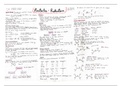
FUNDAMENTAL ANALYSIS :
·
determine intrinsic value of shares of a comp .
by looking at current 3 future
fin. performance
Intrinsic value =
discounting future income 3 dividends
Compare
·
to current market value
>
-
market price intrinsic value : under-valued
>
-
Market price > intrinsic value : over-valued
financial analysis : used to det. Which shares to
buy
* Evaluate fin
.
position of comp .
↓ ↓
financial financial
statements ratios
. 2
3 . STAKEHOLDERS IN FINANCIAL ANALYSIS
① Shareholder
.
·
current3 potential
·
interested in comp's ability to generate income
·
EPS & DPS important to SH
↳
Earnings + dividends per share
Q. Providers of debt capital
·
current potential
· interest in amt of debt capital in
capital structure
·
ability to meet capital + interest repayments
focus on liquidity analyses
·
solvency +
, ⑤. Management + Employees
·
must be continuously informed about fin. position
>
-
ensure efficient decision-making
·
employees interested in ability of bus. to survive long-term
① Diverse groups
=
not directly involved in comp activities .
· still interested in fin.
perf.
eg
. clients ,
competitors , suppliers etc .
3
.3 .
FINANCIAL STATEMENTS
STATEMENT OF PROFIT OR LOSS
=
summary of fin. performance for specific time period
not necessarily just cash-flow items
·
ITEMS INCLUDED :
REVENUE :
·
all compensation received for products/services provided during period
·
sales = revenue for
trading entities
COST OF SALES :
costs
directly incurred to generate revenue
·
cos =
olB inv + purch-purch ret-clB inv
GROSS PROFIT :
·
profit from sales activities
·
GP =
Revenue
-
COS
(sales)
3 ANALYSIS
, Component 3: FUNDAMENTAL
ANALYSIS
FUNDAMENTAL ANALYSIS :
·
determine intrinsic value of shares of a comp .
by looking at current 3 future
fin. performance
Intrinsic value =
discounting future income 3 dividends
Compare
·
to current market value
>
-
market price intrinsic value : under-valued
>
-
Market price > intrinsic value : over-valued
financial analysis : used to det. Which shares to
buy
* Evaluate fin
.
position of comp .
↓ ↓
financial financial
statements ratios
. 2
3 . STAKEHOLDERS IN FINANCIAL ANALYSIS
① Shareholder
.
·
current3 potential
·
interested in comp's ability to generate income
·
EPS & DPS important to SH
↳
Earnings + dividends per share
Q. Providers of debt capital
·
current potential
· interest in amt of debt capital in
capital structure
·
ability to meet capital + interest repayments
focus on liquidity analyses
·
solvency +
, ⑤. Management + Employees
·
must be continuously informed about fin. position
>
-
ensure efficient decision-making
·
employees interested in ability of bus. to survive long-term
① Diverse groups
=
not directly involved in comp activities .
· still interested in fin.
perf.
eg
. clients ,
competitors , suppliers etc .
3
.3 .
FINANCIAL STATEMENTS
STATEMENT OF PROFIT OR LOSS
=
summary of fin. performance for specific time period
not necessarily just cash-flow items
·
ITEMS INCLUDED :
REVENUE :
·
all compensation received for products/services provided during period
·
sales = revenue for
trading entities
COST OF SALES :
costs
directly incurred to generate revenue
·
cos =
olB inv + purch-purch ret-clB inv
GROSS PROFIT :
·
profit from sales activities
·
GP =
Revenue
-
COS
(sales)