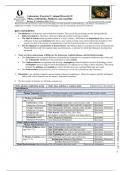
Laboratory Exercise 8: Animal Diversity I: Porifera,
Cnidaria, Platyhelminthes (a Lophotrochozoan) and Nematoda (an Ecdysozoan)
Biology II Laboratory BSC1011L Authors: BJ AG NB AN SF BE DM Date12Mar2024
Material is also covered in Chapters 32 and 33 of Campbell Biology, 12th Ed., Urry, Cain, Wasserman, Minorsky and Orr. Page
numbers refer to Chapter 7 in A Photographic Atlas for the Biology Laboratory, 8th edition.
Group Members: _____________________________________ ___________________________________________
_________________________________________ _________________________________________
KEY CONCEPTS:
1. Animals:
• Are Eukaryotes and Multicellular
• Have tissues and organs that develop from embryonic germ layers. All but Porifera have true tissues.
• Ingest their food and are heterotrophic.
• Do not have cell walls instead, their cells are supported by fibers such as collagen.
• Most reproduce sexually, and the diploid (2n) stage is dominant.
• Many can move by contracting muscles, many have elaborated sensory and behavioral specializations.
2. Key characters can be used to describe evolutionary history of diverse animal forms. These are:
• Symmetry (animals are asymmetrical, radial, or bilateral)
• Tissue development from germ layers (ectoderm, mesoderm, and endoderm)
• Formation of a coelom (compact, hemocoel, or coelomate)
• Presence and development of a mouth and anus (protostomes or deuterostomes)
3. Relationships among the diverse groups of animals (phyla) are still being discovered.
• All animals share a common ancestor, and collectively form a clade called the Metazoa.
• The oldest lineage of animals is the sponges (phylum Porifera).
• All animals except the sponges form a clade called the Eumetazoa (“true animals”) and have true tissues. The
phyla Ctenophora and Cnidaria are the oldest lineages within the Eumetazoa.
• All other animals together form a clade called the Bilateria. Relationships within the Bilateria are less clear.
• The clade of Deuterostomes shows deuterostome development (mouth second) and include the Chordates,
Hemichordates and Echinoderms.
• The clade of Lophotrochozoans have lophophore or trochophore larvae and include Flatworms, Mollusks
and Annelids
• The clade of Ecdysozoans shed their external “skeleton” or ecdyse and include Roundworms and
Arthropods.
Main group Key traits that define the group
1 Porifera Basal animals: Metazoans but not Eumetazoans.
sponges Lack tissues and symmetry.
2 Cnidaria Basal Eumetazoans. True animals with true tissues.
Laboratory 8: Animal Diversity I
Medusozoans (hydrozoa and jellies) Diploblastic. Radial symmetry. Gastrovascular cavity with only
Anthozoans (anemones, corals, sea fans) one opening called a mouth.
3 Lophotrochozoa Triploblastic. Bilateral. Compact. Protostomes.
Platyhelminthes Platyhelminthes have a true digestive cavity, but only one
opening.
4 Ecdysozoan Triploblastic. Bilateral. Hemocoel formed from mesoderm
Nematoda and endoderm. Protostomes.
Have a true digestive system with a mouth and anus.
1
, SKILLS YOU SHOULD MASTER BY THE END OF THE LAB:
1. Show an understanding of the characteristics that identify animals (This handout and Study Guide 1).
2. Show and understanding of the relationships among the Kingdom animalia, Eumetazoa and Bilateria and the
main groups in each. Be able to place the representative specimens within each of the groups.
3. For each group, be able to identify (Study Guide 1):
• Representative organisms
• Type of symmetry (and use the terms dorsal, ventral, anterior and posterior if they apply)
• Kind of germ layers and body cavities
• Presence of tissue types and specialized cells
• Presence of organs or organ systems
4. Be able to show and understanding of the life cycle of Obelia. Which stages reproduce sexually, which
reproduce asexually? (This handout)
5. Know the groups and critical structures of Porifera, Cnidaria, Flatworms and Roundworms.
VOCABULARY (Be sure to also apply the vocab from lab 7):
Metazoa Sequential hermaphrodites Planaria eyespots
Eumetazoa Polyp Planaria lateral flaps
Bilateria Medusa Parasitic
Choanocyte Tentacle Scolex
Amoebocyte Gastrovascular cavity Proglottids
Spongocoel Cnidocytes Thigmotaxis
Mesohyl Venomous Phototaxis
Osculum Poisonous Gravitaxis
Spicules Hydranth (feeding polyp) Chemotaxis
Spongin Gonangium (reproductive polyp) Rheotaxis
The material we will examine today:
Major clades/Phyla Clades (Class) Specimens you will examine
Metazoa (all animals; Kingdom Animalia)
Porifera Sponges Grantia Prepared slide- Grantia
and bath sponge
Lab specimens
Eumetazoa (all true animals)
Cnidaria Medusozoans Hydrozoa hydra, Obelia Lab specimens
Produce medusa Portuguese man-of- Prepared slide-Obelia
(Hydrozoa alternate war
between polyp and Jellies the jelly Aurelia Lab specimens
medusa. (Scyphozoa) Prepared slides
Most Jellies spend
majority as Box jellies box jellies
medusa) Cubozoa)
Anthozoans (Sea anemones, sea anemone Lab specimens
(Occur only as corals, sea fans Metridium
polyps)
corals, sea fans Laboratory 8: Animal Diversity I
Bilateria (most animals, includes a clade of basal bilaterians and 3 major clades:)
Deuterostomes (we will cover these in lab 10)
One Lophotrochozoan: Planarians Planaria Prepared slide Planaria
Flatworm or Platyhelminthes free living (also, Dugesia)
Trematodes None available. Lab specimens
Parasitic
Also called Flukes
Tapeworms tapeworm species Lab specimens
Parasitic Prepared slides
(Cestoda)
One Ecdysozoan Roundworms Ascaris Lab specimen
Nematoda or roundworms Parasitic and free living
2
Cnidaria, Platyhelminthes (a Lophotrochozoan) and Nematoda (an Ecdysozoan)
Biology II Laboratory BSC1011L Authors: BJ AG NB AN SF BE DM Date12Mar2024
Material is also covered in Chapters 32 and 33 of Campbell Biology, 12th Ed., Urry, Cain, Wasserman, Minorsky and Orr. Page
numbers refer to Chapter 7 in A Photographic Atlas for the Biology Laboratory, 8th edition.
Group Members: _____________________________________ ___________________________________________
_________________________________________ _________________________________________
KEY CONCEPTS:
1. Animals:
• Are Eukaryotes and Multicellular
• Have tissues and organs that develop from embryonic germ layers. All but Porifera have true tissues.
• Ingest their food and are heterotrophic.
• Do not have cell walls instead, their cells are supported by fibers such as collagen.
• Most reproduce sexually, and the diploid (2n) stage is dominant.
• Many can move by contracting muscles, many have elaborated sensory and behavioral specializations.
2. Key characters can be used to describe evolutionary history of diverse animal forms. These are:
• Symmetry (animals are asymmetrical, radial, or bilateral)
• Tissue development from germ layers (ectoderm, mesoderm, and endoderm)
• Formation of a coelom (compact, hemocoel, or coelomate)
• Presence and development of a mouth and anus (protostomes or deuterostomes)
3. Relationships among the diverse groups of animals (phyla) are still being discovered.
• All animals share a common ancestor, and collectively form a clade called the Metazoa.
• The oldest lineage of animals is the sponges (phylum Porifera).
• All animals except the sponges form a clade called the Eumetazoa (“true animals”) and have true tissues. The
phyla Ctenophora and Cnidaria are the oldest lineages within the Eumetazoa.
• All other animals together form a clade called the Bilateria. Relationships within the Bilateria are less clear.
• The clade of Deuterostomes shows deuterostome development (mouth second) and include the Chordates,
Hemichordates and Echinoderms.
• The clade of Lophotrochozoans have lophophore or trochophore larvae and include Flatworms, Mollusks
and Annelids
• The clade of Ecdysozoans shed their external “skeleton” or ecdyse and include Roundworms and
Arthropods.
Main group Key traits that define the group
1 Porifera Basal animals: Metazoans but not Eumetazoans.
sponges Lack tissues and symmetry.
2 Cnidaria Basal Eumetazoans. True animals with true tissues.
Laboratory 8: Animal Diversity I
Medusozoans (hydrozoa and jellies) Diploblastic. Radial symmetry. Gastrovascular cavity with only
Anthozoans (anemones, corals, sea fans) one opening called a mouth.
3 Lophotrochozoa Triploblastic. Bilateral. Compact. Protostomes.
Platyhelminthes Platyhelminthes have a true digestive cavity, but only one
opening.
4 Ecdysozoan Triploblastic. Bilateral. Hemocoel formed from mesoderm
Nematoda and endoderm. Protostomes.
Have a true digestive system with a mouth and anus.
1
, SKILLS YOU SHOULD MASTER BY THE END OF THE LAB:
1. Show an understanding of the characteristics that identify animals (This handout and Study Guide 1).
2. Show and understanding of the relationships among the Kingdom animalia, Eumetazoa and Bilateria and the
main groups in each. Be able to place the representative specimens within each of the groups.
3. For each group, be able to identify (Study Guide 1):
• Representative organisms
• Type of symmetry (and use the terms dorsal, ventral, anterior and posterior if they apply)
• Kind of germ layers and body cavities
• Presence of tissue types and specialized cells
• Presence of organs or organ systems
4. Be able to show and understanding of the life cycle of Obelia. Which stages reproduce sexually, which
reproduce asexually? (This handout)
5. Know the groups and critical structures of Porifera, Cnidaria, Flatworms and Roundworms.
VOCABULARY (Be sure to also apply the vocab from lab 7):
Metazoa Sequential hermaphrodites Planaria eyespots
Eumetazoa Polyp Planaria lateral flaps
Bilateria Medusa Parasitic
Choanocyte Tentacle Scolex
Amoebocyte Gastrovascular cavity Proglottids
Spongocoel Cnidocytes Thigmotaxis
Mesohyl Venomous Phototaxis
Osculum Poisonous Gravitaxis
Spicules Hydranth (feeding polyp) Chemotaxis
Spongin Gonangium (reproductive polyp) Rheotaxis
The material we will examine today:
Major clades/Phyla Clades (Class) Specimens you will examine
Metazoa (all animals; Kingdom Animalia)
Porifera Sponges Grantia Prepared slide- Grantia
and bath sponge
Lab specimens
Eumetazoa (all true animals)
Cnidaria Medusozoans Hydrozoa hydra, Obelia Lab specimens
Produce medusa Portuguese man-of- Prepared slide-Obelia
(Hydrozoa alternate war
between polyp and Jellies the jelly Aurelia Lab specimens
medusa. (Scyphozoa) Prepared slides
Most Jellies spend
majority as Box jellies box jellies
medusa) Cubozoa)
Anthozoans (Sea anemones, sea anemone Lab specimens
(Occur only as corals, sea fans Metridium
polyps)
corals, sea fans Laboratory 8: Animal Diversity I
Bilateria (most animals, includes a clade of basal bilaterians and 3 major clades:)
Deuterostomes (we will cover these in lab 10)
One Lophotrochozoan: Planarians Planaria Prepared slide Planaria
Flatworm or Platyhelminthes free living (also, Dugesia)
Trematodes None available. Lab specimens
Parasitic
Also called Flukes
Tapeworms tapeworm species Lab specimens
Parasitic Prepared slides
(Cestoda)
One Ecdysozoan Roundworms Ascaris Lab specimen
Nematoda or roundworms Parasitic and free living
2