,
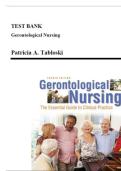
,Gerontological Nursing, 4e sx sx
Chapter 1 - Principles of Gerontology
sx sx s x sx sx
1) The nurse is preparing to discharge an older client with instructions on smoking cessation. Th
sx sx sx sx sx sx sx sx sx sx sx sx sx sx
e nurse states to a colleague, "This client has been smoking for years and isn't going to stop no
sx sx sx sx sx sx sx sx sx sx sx sx sx sx sx sx sx sx
w." Which negative stereotype of aging does the nurse's statement most reflect?
sx sx sx sx sx sx sx sx sx sx sx
1. Old people are expected to be sick.
sx sx sx sx sx sx
2. Old people are set in their ways.
sx sx sx sx sx sx
3. Old people do not value health promotion education.
sx sx sx sx sx sx sx
4. Old people are a drain on societal resources
sx sx sx sx sx sx sx
. Answer: 3
sx s x
Explanation: 1. Many older adults have chronic disease but function well.
s x sx sx sx sx sx sx sx sx sx
2. Often people characterize the elderly in a negative way, believing that after a certain age, t
sx sx sx sx sx sx sx sx sx sx sx sx sx sx sx
hings cannot be changed. Older people can learn new things and take up new hobbies they ca
sx sx sx sx sx sx sx sx sx sx sx sx sx sx sx sx
n enjoy and give life meaning and pleasure.
sx sx sx sx sx sx sx
3. Although it may not be possible to reverse all the damage, it is never too late to stop smokin
sx sx sx sx sx sx sx sx sx sx sx sx sx sx sx sx sx sx
g cigarettes. People who quit smoking at an older age enjoy better health outcomes.
sx sx sx sx sx sx sx sx sx sx sx sx sx
4. Older people contribute greatly to society by volunteering, helping with grandchildren
sx sx sx sx sx sx sx sx sx sx
, mentoring others, and continue working.
sx sx sx sx sx
Page Ref: 4 sx sx
Cognitive Level: Applying sx s x
Client Need: Health Promotion and Maintenanc
sx s x sx sx sx
e Client Need Sub: High-
sx sx sx s x
Risk Behaviors Nurs/Integ Conc.: Nursing Proc
sx sx sx s x sx
ess: Planning
sx
Learning Outcome: 3. Identify common myths of aging and their contribution to ageism.
sx s x sx sx sx sx sx sx sx sx sx sx
2) The nurse is planning to conduct education for older adult clients regarding preventative
sx sx sx sx sx sx sx sx sx sx sx sx sx
health screenings. Which type of screening does the nurse anticipate educating this populatio
sx sx sx sx sx sx sx sx sx sx sx sx
n on?
sx
1. Glaucoma
2. Nutrition
3. An annual mammogram
sx sx
4. Prostate-specific antigen sx
Answer: 3 s x
Explanation: 1. A glaucoma screening is recommended annually for those at risk for glaucoma.
s x sx sx sx sx sx sx sx sx sx sx sx sx
2. Nutritional assessment and counseling are encouraged for those with diabetes or renal disease.
sx sx sx sx sx sx sx sx sx sx sx sx
3. The nurse will discuss the importance of annual mammograms. Older women are the fastes
sx sx sx sx sx sx sx sx sx sx sx sx sx
t growing population in the United States.
sx sx sx sx sx sx
4. A prostate-
sx
specific antigen is recommended yearly for men under the age of 70. Page Ref: 7
sx sx sx sx sx sx sx sx sx sx sx sx sx sx
Cognitive Level: Analyzing sx s x
Client Need: Health Promotion and Maintenanc
sx s x sx sx sx
e Client Need Sub: Health Screening
sx sx sx s x sx
Nurs/Integ Conc.: Nursing Process: Planning sx s x sx sx
Learning Outcome: 1. Interpret demographic data according to race, gender, and age.
sx s x sx sx sx sx sx sx sx sx sx
Page 1 sx
, 3) While completing an admission assessment, the nurse learns that a female adult patient ha
sx sx sx sx sx sx sx sx sx sx sx sx sx
s smoked a pack of cigarettes daily for 20 years and works at a chemical plant. From this in
sx sx sx sx sx sx sx sx sx sx sx sx sx sx sx sx sx sx
formation, what is this patient most at risk for?
sx sx sx sx sx sx sx sx
1. Decline in muscle mass sx sx sx
2. Nutritional deficiencies sx
3. Depression and social isolation sx sx sx
4. Occupational hazard shortening life expectancy sx sx sx sx s
xAnswer: 4 s x
Explanation: 1. While muscle mass does naturally decline in older adults, there is no indication
s x sx sx sx sx sx sx sx sx sx sx sx sx sx
that she is not physically active.
sx sx sx sx sx sx
2. In older adults, adequate nutrition can be a concern, yet there is no indication that she is n
sx sx sx sx sx sx sx sx sx sx sx sx sx sx sx sx sx
ot adequately nourished.
sx sx
3. In older adults, depression and social isolation are a risk, yet there is no indication that she
sx sx sx sx sx sx sx sx sx sx sx sx sx sx sx sx sx
is not socially active.
sx sx sx
4. Exposure to occupational risk factors has been known to affect life expectancy in men and wil
sx sx sx sx sx sx sx sx sx sx sx sx sx sx sx
l have the same effect on women given similar circumstances.
sx sx sx sx sx sx sx sx sx
Page Ref: 8-17 sx sx
Cognitive Level: Analyzing sx s x
Client Need: Health Promotion and Maintenanc
sx s x sx sx sx
e Client Need Sub: High-
sx sx sx s x
Risk Behaviors Nurs/Integ Conc.: Nursing Proc
sx sx sx s x sx
ess: Diagnosis sx
Learning Outcome: 2. Relate leading causes of morbidity and mortality among older adults.
sx s x sx sx sx sx sx sx sx sx sx sx
4) The nurse is caring for an older adult with a chronic disease. Which is reflective of a tertiar
sx sx sx sx sx sx sx sx sx sx sx sx sx sx sx sx sx
y intervention to help slow down the progression of the client's illness?
sx sx sx sx sx sx sx sx sx sx sx
1. Assess the client's mobility sx sx sx
2. Integrate physical therapy sx sx
3. Discuss injury-prevention measures within the home
sx sx sx sx sx
4. Obtain a referral for occupational therapy
sx sx sx sx sx
Answer: 2
sx s x
Explanation: 1. Assessment of the client's mobility is reflective of secondary prevention.
s x sx sx sx sx sx sx sx sx sx sx
2. The integration of physical therapy for a client with chronic disease reflects a tertiar
sx sx sx sx sx sx sx sx sx sx sx sx sx
y intervention to promote restoration and prevent or slow down further debilitation.
sx sx sx sx sx sx sx sx sx sx sx
3. Discussing injury prevention is health promotion or primary prevention.
sx sx sx sx sx sx sx sx
4. Obtaining a referral for an occupational therapist reflects a secondary measure of prevention i
sx sx sx sx sx sx sx sx sx sx sx sx sx
n which there is an early diagnosis and prompt treatment.
sx sx sx sx sx sx sx sx sx
Page Ref: 9 sx sx
Cognitive Level: Applying sx s x
Client Need: Physiological Integrity
sx s x sx
Client Need Sub: Reduction of Risk Potential N
sx sx s x sx sx sx sx
urs/Integ Conc.: Nursing Process: Assessment
sx s x sx sx
Learning Outcome: 4. Describe the effects of chronic disease.
sx s x sx sx sx sx sx sx
Page 2 sx
,Gerontological Nursing, 4e sx sx
Chapter 1 - Principles of Gerontology
sx sx s x sx sx
1) The nurse is preparing to discharge an older client with instructions on smoking cessation. Th
sx sx sx sx sx sx sx sx sx sx sx sx sx sx
e nurse states to a colleague, "This client has been smoking for years and isn't going to stop no
sx sx sx sx sx sx sx sx sx sx sx sx sx sx sx sx sx sx
w." Which negative stereotype of aging does the nurse's statement most reflect?
sx sx sx sx sx sx sx sx sx sx sx
1. Old people are expected to be sick.
sx sx sx sx sx sx
2. Old people are set in their ways.
sx sx sx sx sx sx
3. Old people do not value health promotion education.
sx sx sx sx sx sx sx
4. Old people are a drain on societal resources
sx sx sx sx sx sx sx
. Answer: 3
sx s x
Explanation: 1. Many older adults have chronic disease but function well.
s x sx sx sx sx sx sx sx sx sx
2. Often people characterize the elderly in a negative way, believing that after a certain age, t
sx sx sx sx sx sx sx sx sx sx sx sx sx sx sx
hings cannot be changed. Older people can learn new things and take up new hobbies they ca
sx sx sx sx sx sx sx sx sx sx sx sx sx sx sx sx
n enjoy and give life meaning and pleasure.
sx sx sx sx sx sx sx
3. Although it may not be possible to reverse all the damage, it is never too late to stop smokin
sx sx sx sx sx sx sx sx sx sx sx sx sx sx sx sx sx sx
g cigarettes. People who quit smoking at an older age enjoy better health outcomes.
sx sx sx sx sx sx sx sx sx sx sx sx sx
4. Older people contribute greatly to society by volunteering, helping with grandchildren
sx sx sx sx sx sx sx sx sx sx
, mentoring others, and continue working.
sx sx sx sx sx
Page Ref: 4 sx sx
Cognitive Level: Applying sx s x
Client Need: Health Promotion and Maintenanc
sx s x sx sx sx
e Client Need Sub: High-
sx sx sx s x
Risk Behaviors Nurs/Integ Conc.: Nursing Proc
sx sx sx s x sx
ess: Planning
sx
Learning Outcome: 3. Identify common myths of aging and their contribution to ageism.
sx s x sx sx sx sx sx sx sx sx sx sx
2) The nurse is planning to conduct education for older adult clients regarding preventative
sx sx sx sx sx sx sx sx sx sx sx sx sx
health screenings. Which type of screening does the nurse anticipate educating this populatio
sx sx sx sx sx sx sx sx sx sx sx sx
n on?
sx
1. Glaucoma
2. Nutrition
3. An annual mammogram
sx sx
4. Prostate-specific antigen sx
Answer: 3 s x
Explanation: 1. A glaucoma screening is recommended annually for those at risk for glaucoma.
s x sx sx sx sx sx sx sx sx sx sx sx sx
2. Nutritional assessment and counseling are encouraged for those with diabetes or renal disease.
sx sx sx sx sx sx sx sx sx sx sx sx
3. The nurse will discuss the importance of annual mammograms. Older women are the fastes
sx sx sx sx sx sx sx sx sx sx sx sx sx
t growing population in the United States.
sx sx sx sx sx sx
4. A prostate-
sx
specific antigen is recommended yearly for men under the age of 70. Page Ref: 7
sx sx sx sx sx sx sx sx sx sx sx sx sx sx
Cognitive Level: Analyzing sx s x
Client Need: Health Promotion and Maintenanc
sx s x sx sx sx
e Client Need Sub: Health Screening
sx sx sx s x sx
Nurs/Integ Conc.: Nursing Process: Planning sx s x sx sx
Learning Outcome: 1. Interpret demographic data according to race, gender, and age.
sx s x sx sx sx sx sx sx sx sx sx
Page 1 sx
, 3) While completing an admission assessment, the nurse learns that a female adult patient ha
sx sx sx sx sx sx sx sx sx sx sx sx sx
s smoked a pack of cigarettes daily for 20 years and works at a chemical plant. From this in
sx sx sx sx sx sx sx sx sx sx sx sx sx sx sx sx sx sx
formation, what is this patient most at risk for?
sx sx sx sx sx sx sx sx
1. Decline in muscle mass sx sx sx
2. Nutritional deficiencies sx
3. Depression and social isolation sx sx sx
4. Occupational hazard shortening life expectancy sx sx sx sx s
xAnswer: 4 s x
Explanation: 1. While muscle mass does naturally decline in older adults, there is no indication
s x sx sx sx sx sx sx sx sx sx sx sx sx sx
that she is not physically active.
sx sx sx sx sx sx
2. In older adults, adequate nutrition can be a concern, yet there is no indication that she is n
sx sx sx sx sx sx sx sx sx sx sx sx sx sx sx sx sx
ot adequately nourished.
sx sx
3. In older adults, depression and social isolation are a risk, yet there is no indication that she
sx sx sx sx sx sx sx sx sx sx sx sx sx sx sx sx sx
is not socially active.
sx sx sx
4. Exposure to occupational risk factors has been known to affect life expectancy in men and wil
sx sx sx sx sx sx sx sx sx sx sx sx sx sx sx
l have the same effect on women given similar circumstances.
sx sx sx sx sx sx sx sx sx
Page Ref: 8-17 sx sx
Cognitive Level: Analyzing sx s x
Client Need: Health Promotion and Maintenanc
sx s x sx sx sx
e Client Need Sub: High-
sx sx sx s x
Risk Behaviors Nurs/Integ Conc.: Nursing Proc
sx sx sx s x sx
ess: Diagnosis sx
Learning Outcome: 2. Relate leading causes of morbidity and mortality among older adults.
sx s x sx sx sx sx sx sx sx sx sx sx
4) The nurse is caring for an older adult with a chronic disease. Which is reflective of a tertiar
sx sx sx sx sx sx sx sx sx sx sx sx sx sx sx sx sx
y intervention to help slow down the progression of the client's illness?
sx sx sx sx sx sx sx sx sx sx sx
1. Assess the client's mobility sx sx sx
2. Integrate physical therapy sx sx
3. Discuss injury-prevention measures within the home
sx sx sx sx sx
4. Obtain a referral for occupational therapy
sx sx sx sx sx
Answer: 2
sx s x
Explanation: 1. Assessment of the client's mobility is reflective of secondary prevention.
s x sx sx sx sx sx sx sx sx sx sx
2. The integration of physical therapy for a client with chronic disease reflects a tertiar
sx sx sx sx sx sx sx sx sx sx sx sx sx
y intervention to promote restoration and prevent or slow down further debilitation.
sx sx sx sx sx sx sx sx sx sx sx
3. Discussing injury prevention is health promotion or primary prevention.
sx sx sx sx sx sx sx sx
4. Obtaining a referral for an occupational therapist reflects a secondary measure of prevention i
sx sx sx sx sx sx sx sx sx sx sx sx sx
n which there is an early diagnosis and prompt treatment.
sx sx sx sx sx sx sx sx sx
Page Ref: 9 sx sx
Cognitive Level: Applying sx s x
Client Need: Physiological Integrity
sx s x sx
Client Need Sub: Reduction of Risk Potential N
sx sx s x sx sx sx sx
urs/Integ Conc.: Nursing Process: Assessment
sx s x sx sx
Learning Outcome: 4. Describe the effects of chronic disease.
sx s x sx sx sx sx sx sx
Page 2 sx