https://www.stuvia.com/
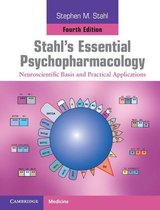
Stahl’s Essential Psychopharmacology
4th Edition
By
Stephen M. Stahl
,https://www.stuvia.com/
Contents
Test Bank: Chapter 1 – Chemical Neurotransmission .................................................................... 3
Test Bank – Chapter 2: Transporters, Receptors and Enzymes as Targets of Psychopharmacological
Drug Action ....................................................................................................................................... 10
Test Bank – Chapter 3: Ion Channels as Targets of Psychopharmacological Drug Action ...... 17
Test Bank – Chapter 4: Psychosis, Schizophrenia, and the Neurotransmitter Networks Dopamine,
Serotonin, and Glutamate ................................................................................................................ 24
Test Bank – Chapter 5: Targeting Dopamine and Serotonin Receptors for Psychosis, Mood and
Beyond: So-Called ‘Antipsychotics’................................................................................................ 32
Test Bank – Chapter 6: Mood Disorders and the Neurotransmitter Networks Norepinephrine and
Gamma Amino Butyric Acid (GABA) ............................................................................................ 40
Test Bank – Chapter 7: Treatments for Mood Disorders: So-Called ‘Antidepressants’ and ‘Mood
Stabilizers’ ......................................................................................................................................... 49
Test Bank – Chapter 8: Anxiety, Trauma and Treatment ........................................................... 57
Test Bank – Chapter 9: Chronic Pain and its Treatment ............................................................. 65
Test Bank – Chapter 10: Disorders of Sleep and Wakefulness and their Treatment: Neurotransmitter
Networks for Histamine and Orexin............................................................................................... 73
Test Bank – Chapter 11: Attention Deficit Hyperactivity Disorder and its Treatment ............. 81
Test Bank – Chapter 12: Dementia: Causes, Symptomatic Treatments, and the Neurotransmitter
Network Acetylcholine ..................................................................................................................... 89
Test Bank – Chapter 13: Impulsivity, Compulsivity, and Addiction........................................... 98
,https://www.stuvia.com/
Test Bank: Chapter 1 – Chemical Neurotransmission
Multiple-Choice Questions
1. Which of the following is the primary function of a
neurotransmitter at the synapse?
A. Degrade synaptic vesicles
B. Modify DNA expression
C. Transmit signals across the synaptic cleft
D. Synthesize new neurons
✔ Answer: C
Rationale: Neurotransmitters are chemical messengers that transmit
signals across a synapse from one neuron to another.
2. What is the role of the presynaptic neuron in chemical
neurotransmission?
A. To receive neurotransmitters
B. To store neurotransmitters in the nucleus
C. To release neurotransmitters into the synaptic cleft
D. To inhibit neurotransmitter synthesis
✔ Answer: C
Rationale: The presynaptic neuron releases neurotransmitters stored in
vesicles into the synaptic cleft during signal transmission.
3. Which enzyme is responsible for the breakdown of acetylcholine in
the synaptic cleft?
A. Monoamine oxidase
B. Catechol-O-methyltransferase
C. Acetylcholinesterase
D. Dopamine β-hydroxylase
✔ Answer: C
Rationale: Acetylcholinesterase rapidly degrades acetylcholine to
terminate its action in the synaptic cleft.
4. Which of the following is a key feature of chemical
neurotransmission?
A. Direct electrical conduction between cells
B. Hormonal release into the bloodstream
, https://www.stuvia.com/
C. Unidirectional signaling via neurotransmitters
D. Bidirectional synaptic activity
✔ Answer: C
Rationale: Chemical neurotransmission involves unidirectional
communication from the presynaptic to the postsynaptic neuron.
5. What is the function of synaptic vesicles?
A. To absorb neurotransmitters from the cleft
B. To store neurotransmitters prior to release
C. To regulate ion flow into the neuron
D. To trigger receptor expression
✔ Answer: B
Rationale: Synaptic vesicles are small sacs in the presynaptic terminal
that store neurotransmitters until they are released.
6. Which of the following events is calcium-dependent in
neurotransmission?
A. Neurotransmitter synthesis
B. Neurotransmitter reuptake
C. Vesicle fusion and neurotransmitter release
D. Postsynaptic receptor activation
✔ Answer: C
Rationale: Calcium influx triggers vesicle fusion with the presynaptic
membrane, releasing neurotransmitters.
7. Neurotransmitter reuptake primarily serves what purpose?
A. To amplify neurotransmitter action
B. To degrade neurotransmitters
C. To remove neurotransmitters from the synaptic cleft
D. To promote neuronal growth
✔ Answer: C
Rationale: Reuptake mechanisms clear neurotransmitters from the cleft,
ending their signal.
8. Which type of receptor is typically involved in fast synaptic
transmission?
A. G protein-coupled receptors
B. Ionotropic receptors
Stahl’s Essential Psychopharmacology
4th Edition
By
Stephen M. Stahl
,https://www.stuvia.com/
Contents
Test Bank: Chapter 1 – Chemical Neurotransmission .................................................................... 3
Test Bank – Chapter 2: Transporters, Receptors and Enzymes as Targets of Psychopharmacological
Drug Action ....................................................................................................................................... 10
Test Bank – Chapter 3: Ion Channels as Targets of Psychopharmacological Drug Action ...... 17
Test Bank – Chapter 4: Psychosis, Schizophrenia, and the Neurotransmitter Networks Dopamine,
Serotonin, and Glutamate ................................................................................................................ 24
Test Bank – Chapter 5: Targeting Dopamine and Serotonin Receptors for Psychosis, Mood and
Beyond: So-Called ‘Antipsychotics’................................................................................................ 32
Test Bank – Chapter 6: Mood Disorders and the Neurotransmitter Networks Norepinephrine and
Gamma Amino Butyric Acid (GABA) ............................................................................................ 40
Test Bank – Chapter 7: Treatments for Mood Disorders: So-Called ‘Antidepressants’ and ‘Mood
Stabilizers’ ......................................................................................................................................... 49
Test Bank – Chapter 8: Anxiety, Trauma and Treatment ........................................................... 57
Test Bank – Chapter 9: Chronic Pain and its Treatment ............................................................. 65
Test Bank – Chapter 10: Disorders of Sleep and Wakefulness and their Treatment: Neurotransmitter
Networks for Histamine and Orexin............................................................................................... 73
Test Bank – Chapter 11: Attention Deficit Hyperactivity Disorder and its Treatment ............. 81
Test Bank – Chapter 12: Dementia: Causes, Symptomatic Treatments, and the Neurotransmitter
Network Acetylcholine ..................................................................................................................... 89
Test Bank – Chapter 13: Impulsivity, Compulsivity, and Addiction........................................... 98
,https://www.stuvia.com/
Test Bank: Chapter 1 – Chemical Neurotransmission
Multiple-Choice Questions
1. Which of the following is the primary function of a
neurotransmitter at the synapse?
A. Degrade synaptic vesicles
B. Modify DNA expression
C. Transmit signals across the synaptic cleft
D. Synthesize new neurons
✔ Answer: C
Rationale: Neurotransmitters are chemical messengers that transmit
signals across a synapse from one neuron to another.
2. What is the role of the presynaptic neuron in chemical
neurotransmission?
A. To receive neurotransmitters
B. To store neurotransmitters in the nucleus
C. To release neurotransmitters into the synaptic cleft
D. To inhibit neurotransmitter synthesis
✔ Answer: C
Rationale: The presynaptic neuron releases neurotransmitters stored in
vesicles into the synaptic cleft during signal transmission.
3. Which enzyme is responsible for the breakdown of acetylcholine in
the synaptic cleft?
A. Monoamine oxidase
B. Catechol-O-methyltransferase
C. Acetylcholinesterase
D. Dopamine β-hydroxylase
✔ Answer: C
Rationale: Acetylcholinesterase rapidly degrades acetylcholine to
terminate its action in the synaptic cleft.
4. Which of the following is a key feature of chemical
neurotransmission?
A. Direct electrical conduction between cells
B. Hormonal release into the bloodstream
, https://www.stuvia.com/
C. Unidirectional signaling via neurotransmitters
D. Bidirectional synaptic activity
✔ Answer: C
Rationale: Chemical neurotransmission involves unidirectional
communication from the presynaptic to the postsynaptic neuron.
5. What is the function of synaptic vesicles?
A. To absorb neurotransmitters from the cleft
B. To store neurotransmitters prior to release
C. To regulate ion flow into the neuron
D. To trigger receptor expression
✔ Answer: B
Rationale: Synaptic vesicles are small sacs in the presynaptic terminal
that store neurotransmitters until they are released.
6. Which of the following events is calcium-dependent in
neurotransmission?
A. Neurotransmitter synthesis
B. Neurotransmitter reuptake
C. Vesicle fusion and neurotransmitter release
D. Postsynaptic receptor activation
✔ Answer: C
Rationale: Calcium influx triggers vesicle fusion with the presynaptic
membrane, releasing neurotransmitters.
7. Neurotransmitter reuptake primarily serves what purpose?
A. To amplify neurotransmitter action
B. To degrade neurotransmitters
C. To remove neurotransmitters from the synaptic cleft
D. To promote neuronal growth
✔ Answer: C
Rationale: Reuptake mechanisms clear neurotransmitters from the cleft,
ending their signal.
8. Which type of receptor is typically involved in fast synaptic
transmission?
A. G protein-coupled receptors
B. Ionotropic receptors