IGCSE Revision- Biology
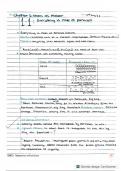
Chapter 4- Biological molecules
4.1 Carbohydrates, fats and proteins
- 62% of our body is water, 16% protein, 16% fat, 1% carbohydrate, 6% calcium
and phosphorus (mostly in bones) and some other elements. DNA makes up less
than 1% of our mass
CARBOHYDRATES
- Carbohydrates include starch, cellulose and sugar
- Carbohydrates are made of carbon, hydrogen and oxygen
- One molecule of carbohydrate contains about twice as many hydrogen atoms as
carbon or oxygen atoms
- The simplest type of carbohydrate, with the smallest molecule is sugar. Sugar is
sweet, and is soluble in water
- One type of sugar is glucose. A glucose molecule is made of six carbon atoms,
twelve hydrogen atoms and six oxygen atoms (C6H12O6). These atoms are
arranged in a hexagon shape. Glucose is transported around the body in the
plasma, which is used for energy. Glucose molecules can link together to form
long chains. In animals these are called glycogen. The liver helps to keep the
concentration of glucose constant. If there is too much glucose the liver stores it
as glycogen and can be used later when needed
- In plants glucose is linked together to form starch
- You can detect the presence of starch using iodine solution. This solution
changes from brown to blue-black if starch is present
- Most sugars can be detected using Benedict’s solution. This solution is blue
and changes to orange-red when it is heated with reducing sugars such as
glucose. The solution turns green and yellow before it is orange-red
FATS AND OILS
- Fats and oils are also known as lipids. A fat is a lipid that is solid at room
temperature and an oil is a lipid that is liquid at room temperature
- Fats and oils contain carbon, hydrogen and oxygen
- In fats, each molecule contains much less oxygen than is found in a
carbohydrate molecule
- Fat molecules are made of two kinds of smaller molecule- glycerol and fatty acids
- Fats are important to make cell membranes
- They are also used as energy stores
- Mammals often have a layer of fat beneath the skin for heat and energy
- Fats and oils do not dissolve in water, but they do dissolve in ethanol
Chapter 4- Biological molecules
4.1 Carbohydrates, fats and proteins
- 62% of our body is water, 16% protein, 16% fat, 1% carbohydrate, 6% calcium
and phosphorus (mostly in bones) and some other elements. DNA makes up less
than 1% of our mass
CARBOHYDRATES
- Carbohydrates include starch, cellulose and sugar
- Carbohydrates are made of carbon, hydrogen and oxygen
- One molecule of carbohydrate contains about twice as many hydrogen atoms as
carbon or oxygen atoms
- The simplest type of carbohydrate, with the smallest molecule is sugar. Sugar is
sweet, and is soluble in water
- One type of sugar is glucose. A glucose molecule is made of six carbon atoms,
twelve hydrogen atoms and six oxygen atoms (C6H12O6). These atoms are
arranged in a hexagon shape. Glucose is transported around the body in the
plasma, which is used for energy. Glucose molecules can link together to form
long chains. In animals these are called glycogen. The liver helps to keep the
concentration of glucose constant. If there is too much glucose the liver stores it
as glycogen and can be used later when needed
- In plants glucose is linked together to form starch
- You can detect the presence of starch using iodine solution. This solution
changes from brown to blue-black if starch is present
- Most sugars can be detected using Benedict’s solution. This solution is blue
and changes to orange-red when it is heated with reducing sugars such as
glucose. The solution turns green and yellow before it is orange-red
FATS AND OILS
- Fats and oils are also known as lipids. A fat is a lipid that is solid at room
temperature and an oil is a lipid that is liquid at room temperature
- Fats and oils contain carbon, hydrogen and oxygen
- In fats, each molecule contains much less oxygen than is found in a
carbohydrate molecule
- Fat molecules are made of two kinds of smaller molecule- glycerol and fatty acids
- Fats are important to make cell membranes
- They are also used as energy stores
- Mammals often have a layer of fat beneath the skin for heat and energy
- Fats and oils do not dissolve in water, but they do dissolve in ethanol