TEST BANK FOR br br
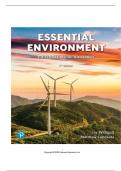
Essential Environment The Science Behind the Stories, 7th edition Jay H Withgott
br br br br br br br br br br br br
Matthew Laposata br
Chapter 1-18 br
Chapter 1 Science and Sustainability: An Introduction to Environmental Science
br br br br br br br br br
1.1 Multiple Choice Questions br br
Use the figure above to answer the following question(s).
br br br br br br br br
1) How many citizens of Mexico does it take to equal the ecological footprint of the a
br br br br br br br br br br br br br br br
verage citizen of the United States?
br br br br br
A) They are essentially equal.
br br br
B) It takes just over two Mexican citizens to equal the ecological footprint of the average
br br br br br br br br br br br br br br
U.S. citizen.
br
C) It takes just over three Mexican citizens to equal the ecological footprint of the average
br br br br br br br br br br br br br br
U.S. citizen.
br
D) It takes just over eight Mexican citizens to equal the ecological footprint of the average
br br br br br br br br br br br br br br
U.S. citizen.
br
E) It takes about 12 Mexican citizens to equal the ecological footprint of the average U.S. citi
br br br br br br br br br br br br br br br
zen.
1
Copyright © 2025 Pearson Education, Inc.
br br br br br
,Answer: C Diff br br
:1 br
Topic/Section: 1.5 Sustainability And Our Future Learning br br br br br br
Outcome: 1.4
br br
2) If everyone on the planet had an ecological footprint the size of the average citizen of th
br br br br br br br br br br br br br br br br
e United States, then
br . br br b r b r
A) we would have 50% more food to go around
br br br br br br br br
B) we would be able to provide for everyone without much difficulty by using the 50% of th
br br br br br br br br br br br br br br br br
e land currently not being used for agriculture
br br br br br br br
C) we would need at least two more planet Earths to feed and support everyone
br br br br br br br br br br br br br
D) we could support 50% more people on our planet
br br br br br br br br
E) about 50% of the people would starve br br br br br br br
Answer: C br
Diff: 2 br
Topic/Section: 1.5 Sustainability And Our Future Learning br br br br br br
Outcome: 1.4
br br
3) The U.S. average footprint is about
br br br br br b r
times larger than the average world footprint.
b r br br br br br br
A) 2
B) 2.5
C) 3
D) 5
E) 6.7
Answer: C Diff br br
:3 br
Topic/Section: 1.5 Sustainability And Our Future Learning br br br br br br
Outcome: 1.4
br br
4) The average footprint per person has increased from 2.2 to 2.6 since 2008, and the fo
br br br br br br br br br br br br br br br
otprints of many developing nations, such as India and China, have also increased. Thi
br br br br br br br br br br br br br
s means thatbr . br b r b r
A) our collective lifestyle is even more unsustainable than before
br br br br br br br br
B) our collective lifestyle is slightly more sustainable than before
br br br br br br br br
C) the ability of the planet to sustain human beings has increased
br br br br br br br br br br
D) some nations no longer have a measurable footprint
br br br br br br br
E) the populations of both India and China have decreased since 2008 A
br br br br br br br br br br br
nswer: A br
Diff: 2 br
Topic/Section: 1.5 Sustainability And Our Future Learning br br br br br br
Outcome: 1.4
br br
5) Geothermal energy, wind, and solar radiation are all examples of br br br br br br br br br b r br .
A) nonrenewable natural resources br br
B) inexhaustible renewable natural resources br br br
2
Copyright © 2025 Pearson Education, Inc. br br br br br
,C) biotic environmental factorsbr br
D) exhaustible renewable natural resources br br br
E) biodegradable materials br b
Answer: B
r br
Diff: 2
br
Topic/Section: 1.1 Our Island, Earth Learning br br br br br
Outcome: 1.2
br br
6) Nonrenewable natural resources include all of the following EXCEPT: br br br br br br br br
A) coal.
B) crude oil. br
C) minerals.
D) wind.
E) natural gas. br
Answer: D br
Diff: 1
br
Topic/Section: 1.1 Our Island, Earth Learning br br br br br
Outcome: 1.2
br br
7) Ecosystem services br b r br .
A) contribute to keeping ecosystems productive br br br br
B) are not necessary to sustainable systems
br br br br br
C) are economically valuable services provided by natural systems
br br br br br br br
D) are valuable to natural systems but not to human-created systems
br br br br br br br br br
E) are required to rebalance natural systems that we have disturbed
br br br br br br br br br br
Answer: C br
Diff: 1
br
Topic/Section: 1.1 Our Island, Earth Learning br br br br br
Outcome: 1.2
br br
8) Today (2024), there are about br br br br b r br .
A) 5.35 billion people on Earth, the same as for the past 6 years
br br br br br br br br br br br br
B) 9 billion people on Earth
br br br br
C) 10 billion people on Earth
br br br br
D) 8 billion people on Earth
br br br br
E) 2% fewer people on Earth than in 2010
br br br br br br br br
Answer: D br
Diff: 1
br
Topic/Section: 1.1 Our Island, Earth Learning br br br br br
Outcome: 1.3
br br
9) Global population is projected to be nearly
br br br br br br b r b r b r in 2050. br
A) 7 billion
br
B) 8 billion
br
C) 9 billion
br
D) 10 billionbr
3
Copyright © 2025 Pearson Education, Inc.br br br br br
, E) 11 billion br b
Answer: D
r br br
Diff: 2 br
Topic/Section: 1.1 Our Island, Earth Learning br br br br br
Outcome: 1.3
br br
10) To determine your specific impacts on the environment, you can
br br br br br br br br br b r br .
A) measure local air pollution and its impacts on your health br br br br br br br br br
B) calculate the biodiversity of your local community br br br br br br
C) determine your current water pollution impact br br br br br
D) calculate your ecological footprint br br br
E) measure the volume and type of all the wastes you contribute to the municipal waste st
br br br br br br br br br br br br br br br
ream
Answer: D Diff br br
:1 br
Topic/Section: 1.1 Our Island, Earth Learning br br br br br
Outcome: 1.4
br br
11) By studying ancient civilizations, such as the Greek and Roman empires and the A
br br br br br br br br br br br br br
ngkor civilization of Southeast Asia, historians have concluded that these civilizati
br br br br br br br br br br
ons declined partly because of
br . br br br b r b r
A) sustainable practices br
B) overabundance of resources br br
C) floods
D) environmental degradation due to unsustainable use of resources br br br br br br br
E) fires A br
nswer: D br br
Diff: 2 br
Topic/Section: 1.1 Our Island, Earth Learning br br br br br
Outcome: 1.3
br br
12) Solutions to environmental problems br br br b r br .
A) can be implemented only by scientists
br br br br br
B) must be designed with sustainable goals
br br br br br
C) must be on a local scale br br br br br
D) must be short term br br br
E) are best designed and discussed in the political arena
br br br br br br br br br
Answer: B br
Diff: 1 br
Topic/Section: 1.1 Our Island, Earth Learning br br br br br
Outcome: 1.10a
br br
13) Imagine a scenario where a small island nation, heavily reliant on tourism for its econo
br br br br br br br br br br br br br br
my, faces a dilemma. The government wants to promote economic growth by attractin
br br br br br br br br br br br br
g more tourists, but environmentalists argue that increased tourism will exacerbate res
br br br br br br br br br br br
ource consumption and ecological degradation. The government must balance econo
br br br br br br br br br
mic development with environmental sustainability. In the given
br br br br br br br
4
Copyright © 2025 Pearson Education, Inc. br br br br br
Essential Environment The Science Behind the Stories, 7th edition Jay H Withgott
br br br br br br br br br br br br
Matthew Laposata br
Chapter 1-18 br
Chapter 1 Science and Sustainability: An Introduction to Environmental Science
br br br br br br br br br
1.1 Multiple Choice Questions br br
Use the figure above to answer the following question(s).
br br br br br br br br
1) How many citizens of Mexico does it take to equal the ecological footprint of the a
br br br br br br br br br br br br br br br
verage citizen of the United States?
br br br br br
A) They are essentially equal.
br br br
B) It takes just over two Mexican citizens to equal the ecological footprint of the average
br br br br br br br br br br br br br br
U.S. citizen.
br
C) It takes just over three Mexican citizens to equal the ecological footprint of the average
br br br br br br br br br br br br br br
U.S. citizen.
br
D) It takes just over eight Mexican citizens to equal the ecological footprint of the average
br br br br br br br br br br br br br br
U.S. citizen.
br
E) It takes about 12 Mexican citizens to equal the ecological footprint of the average U.S. citi
br br br br br br br br br br br br br br br
zen.
1
Copyright © 2025 Pearson Education, Inc.
br br br br br
,Answer: C Diff br br
:1 br
Topic/Section: 1.5 Sustainability And Our Future Learning br br br br br br
Outcome: 1.4
br br
2) If everyone on the planet had an ecological footprint the size of the average citizen of th
br br br br br br br br br br br br br br br br
e United States, then
br . br br b r b r
A) we would have 50% more food to go around
br br br br br br br br
B) we would be able to provide for everyone without much difficulty by using the 50% of th
br br br br br br br br br br br br br br br br
e land currently not being used for agriculture
br br br br br br br
C) we would need at least two more planet Earths to feed and support everyone
br br br br br br br br br br br br br
D) we could support 50% more people on our planet
br br br br br br br br
E) about 50% of the people would starve br br br br br br br
Answer: C br
Diff: 2 br
Topic/Section: 1.5 Sustainability And Our Future Learning br br br br br br
Outcome: 1.4
br br
3) The U.S. average footprint is about
br br br br br b r
times larger than the average world footprint.
b r br br br br br br
A) 2
B) 2.5
C) 3
D) 5
E) 6.7
Answer: C Diff br br
:3 br
Topic/Section: 1.5 Sustainability And Our Future Learning br br br br br br
Outcome: 1.4
br br
4) The average footprint per person has increased from 2.2 to 2.6 since 2008, and the fo
br br br br br br br br br br br br br br br
otprints of many developing nations, such as India and China, have also increased. Thi
br br br br br br br br br br br br br
s means thatbr . br b r b r
A) our collective lifestyle is even more unsustainable than before
br br br br br br br br
B) our collective lifestyle is slightly more sustainable than before
br br br br br br br br
C) the ability of the planet to sustain human beings has increased
br br br br br br br br br br
D) some nations no longer have a measurable footprint
br br br br br br br
E) the populations of both India and China have decreased since 2008 A
br br br br br br br br br br br
nswer: A br
Diff: 2 br
Topic/Section: 1.5 Sustainability And Our Future Learning br br br br br br
Outcome: 1.4
br br
5) Geothermal energy, wind, and solar radiation are all examples of br br br br br br br br br b r br .
A) nonrenewable natural resources br br
B) inexhaustible renewable natural resources br br br
2
Copyright © 2025 Pearson Education, Inc. br br br br br
,C) biotic environmental factorsbr br
D) exhaustible renewable natural resources br br br
E) biodegradable materials br b
Answer: B
r br
Diff: 2
br
Topic/Section: 1.1 Our Island, Earth Learning br br br br br
Outcome: 1.2
br br
6) Nonrenewable natural resources include all of the following EXCEPT: br br br br br br br br
A) coal.
B) crude oil. br
C) minerals.
D) wind.
E) natural gas. br
Answer: D br
Diff: 1
br
Topic/Section: 1.1 Our Island, Earth Learning br br br br br
Outcome: 1.2
br br
7) Ecosystem services br b r br .
A) contribute to keeping ecosystems productive br br br br
B) are not necessary to sustainable systems
br br br br br
C) are economically valuable services provided by natural systems
br br br br br br br
D) are valuable to natural systems but not to human-created systems
br br br br br br br br br
E) are required to rebalance natural systems that we have disturbed
br br br br br br br br br br
Answer: C br
Diff: 1
br
Topic/Section: 1.1 Our Island, Earth Learning br br br br br
Outcome: 1.2
br br
8) Today (2024), there are about br br br br b r br .
A) 5.35 billion people on Earth, the same as for the past 6 years
br br br br br br br br br br br br
B) 9 billion people on Earth
br br br br
C) 10 billion people on Earth
br br br br
D) 8 billion people on Earth
br br br br
E) 2% fewer people on Earth than in 2010
br br br br br br br br
Answer: D br
Diff: 1
br
Topic/Section: 1.1 Our Island, Earth Learning br br br br br
Outcome: 1.3
br br
9) Global population is projected to be nearly
br br br br br br b r b r b r in 2050. br
A) 7 billion
br
B) 8 billion
br
C) 9 billion
br
D) 10 billionbr
3
Copyright © 2025 Pearson Education, Inc.br br br br br
, E) 11 billion br b
Answer: D
r br br
Diff: 2 br
Topic/Section: 1.1 Our Island, Earth Learning br br br br br
Outcome: 1.3
br br
10) To determine your specific impacts on the environment, you can
br br br br br br br br br b r br .
A) measure local air pollution and its impacts on your health br br br br br br br br br
B) calculate the biodiversity of your local community br br br br br br
C) determine your current water pollution impact br br br br br
D) calculate your ecological footprint br br br
E) measure the volume and type of all the wastes you contribute to the municipal waste st
br br br br br br br br br br br br br br br
ream
Answer: D Diff br br
:1 br
Topic/Section: 1.1 Our Island, Earth Learning br br br br br
Outcome: 1.4
br br
11) By studying ancient civilizations, such as the Greek and Roman empires and the A
br br br br br br br br br br br br br
ngkor civilization of Southeast Asia, historians have concluded that these civilizati
br br br br br br br br br br
ons declined partly because of
br . br br br b r b r
A) sustainable practices br
B) overabundance of resources br br
C) floods
D) environmental degradation due to unsustainable use of resources br br br br br br br
E) fires A br
nswer: D br br
Diff: 2 br
Topic/Section: 1.1 Our Island, Earth Learning br br br br br
Outcome: 1.3
br br
12) Solutions to environmental problems br br br b r br .
A) can be implemented only by scientists
br br br br br
B) must be designed with sustainable goals
br br br br br
C) must be on a local scale br br br br br
D) must be short term br br br
E) are best designed and discussed in the political arena
br br br br br br br br br
Answer: B br
Diff: 1 br
Topic/Section: 1.1 Our Island, Earth Learning br br br br br
Outcome: 1.10a
br br
13) Imagine a scenario where a small island nation, heavily reliant on tourism for its econo
br br br br br br br br br br br br br br
my, faces a dilemma. The government wants to promote economic growth by attractin
br br br br br br br br br br br br
g more tourists, but environmentalists argue that increased tourism will exacerbate res
br br br br br br br br br br br
ource consumption and ecological degradation. The government must balance econo
br br br br br br br br br
mic development with environmental sustainability. In the given
br br br br br br br
4
Copyright © 2025 Pearson Education, Inc. br br br br br