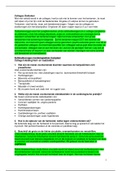
,Chapter Topic Subtopics
Guiding Psychopharmacology Principles;
Additional Guiding Principles; Organization and
1 Getting Started
Overview; Selected Changes and Updates in Third
Edition
Rationale for the Conceptual Framework; Group 1
Conceptual Framework for
Medications for ADHD, Anxiety, and Depression;
2 Prescribing Psychotropic
Group 2 Medications; Group 3 Medications;
Medications
References
Overview; Diagnosis of Common Disorders
(ADHD, Anxiety, Depression); Diagnosis of
Common Comorbidities; Recognizing Other
3 Making a Diagnosis
Psychiatric Disorders; Determine if Medication Is
Indicated; Recognize Need for Referral;
References
Formulation; Feedback; Nonmedication
Interventions; Informed Consent; Specific
Consent Issues; Off-label Prescribing; FDA
4 Laying the Groundwork
Boxed Warnings; Triage for Psychiatric and
Social Emergencies; Important Considerations for
Safe and Effective Prescribing; References
Group 1 Medications for General Guidance; Methylphenidate;
5 Attention-Deficit/Hyperactivity Amphetamine; Guanfacine; Clonidine;
Disorder Atomoxetine; Viloxazine; Summary; References
General Guidance; SSRIs;
Group 1 Medications for Anxiety
6 Serotonin-Noradrenergic Reuptake Inhibitor
and Depression
(Duloxetine); Summary; References
Group 2 Medications:
Rationale; Antipsychotics; The Mood Stabilizer
7 FDA-Approved Antipsychotics
Lithium; Summary; References
and Mood Stabilizers
Other Antidepressants; Other Antipsychotics;
Group 3 Medications: Others
8 Other Mood Stabilizers; Anxiolytics; Sleep Aids;
Commonly Prescribed
Future Considerations; References
Reevaluate Therapies; Reevaluate Medication;
Discontinuing Group 1 Medications; Switching
Group 1 Medications; When to Consider Group 2
9 Fine Tuning Treatment or Lithium; When to Consider Group 3
(Off-label); Drug Levels or Genetic Testing; Can
Genotyping Improve Response?; Consultation or
Second Opinion; References
Reassess Diagnoses; Complex Psychosocial
10 Managing Treatment Impasses Presentations; Expert Consultation or Referral;
References
,Chapter 1.
Q1. Before initiating any psychotropic medication in a
child, the principle “start low, go slow” most directly
addresses which concern?
A. Ensuring rapid therapeutic effect
B. Minimizing adverse effects
C. Maximizing dosage adherence
D. Reducing the need for nonpharmacologic
interventions
Correct Answer: B
Rationale: “Start low, go slow” is aimed at minimizing
adverse effects by titrating dosage gradually. Rapid
increases can precipitate side effects (A is incorrect), it
does not specifically improve adherence (C), nor does it
obviate nonpharmacologic strategies (D).
Q2. Which of the following is not one of the core
prescribing principles emphasized in Chapter 1?
A. Start low, go slow
B. Use monotherapy whenever possible
, C. Prescribe the highest tolerable dose initially
D. Balance risks and benefits
Correct Answer: C
Rationale: Initiating at the highest tolerable dose
contradicts safe prescribing; instead, one should start
low. Monotherapy (B) and risk–benefit balance (D) are
core principles.
Q3. Informed consent for pediatric psychopharmacology
must include all except:
A. Discussion of potential benefits
B. Disclosure of side effects
C. Guarantee of complete symptom remission
D. Explanation of monitoring plan
Correct Answer: C
Rationale: No guarantee of complete remission can
ethically be given. Benefits (A), side effects (B), and
monitoring (D) are required elements.
Q4. A key additional guiding principle is the necessity of:
A. Unilateral decision-making by the clinician
Guiding Psychopharmacology Principles;
Additional Guiding Principles; Organization and
1 Getting Started
Overview; Selected Changes and Updates in Third
Edition
Rationale for the Conceptual Framework; Group 1
Conceptual Framework for
Medications for ADHD, Anxiety, and Depression;
2 Prescribing Psychotropic
Group 2 Medications; Group 3 Medications;
Medications
References
Overview; Diagnosis of Common Disorders
(ADHD, Anxiety, Depression); Diagnosis of
Common Comorbidities; Recognizing Other
3 Making a Diagnosis
Psychiatric Disorders; Determine if Medication Is
Indicated; Recognize Need for Referral;
References
Formulation; Feedback; Nonmedication
Interventions; Informed Consent; Specific
Consent Issues; Off-label Prescribing; FDA
4 Laying the Groundwork
Boxed Warnings; Triage for Psychiatric and
Social Emergencies; Important Considerations for
Safe and Effective Prescribing; References
Group 1 Medications for General Guidance; Methylphenidate;
5 Attention-Deficit/Hyperactivity Amphetamine; Guanfacine; Clonidine;
Disorder Atomoxetine; Viloxazine; Summary; References
General Guidance; SSRIs;
Group 1 Medications for Anxiety
6 Serotonin-Noradrenergic Reuptake Inhibitor
and Depression
(Duloxetine); Summary; References
Group 2 Medications:
Rationale; Antipsychotics; The Mood Stabilizer
7 FDA-Approved Antipsychotics
Lithium; Summary; References
and Mood Stabilizers
Other Antidepressants; Other Antipsychotics;
Group 3 Medications: Others
8 Other Mood Stabilizers; Anxiolytics; Sleep Aids;
Commonly Prescribed
Future Considerations; References
Reevaluate Therapies; Reevaluate Medication;
Discontinuing Group 1 Medications; Switching
Group 1 Medications; When to Consider Group 2
9 Fine Tuning Treatment or Lithium; When to Consider Group 3
(Off-label); Drug Levels or Genetic Testing; Can
Genotyping Improve Response?; Consultation or
Second Opinion; References
Reassess Diagnoses; Complex Psychosocial
10 Managing Treatment Impasses Presentations; Expert Consultation or Referral;
References
,Chapter 1.
Q1. Before initiating any psychotropic medication in a
child, the principle “start low, go slow” most directly
addresses which concern?
A. Ensuring rapid therapeutic effect
B. Minimizing adverse effects
C. Maximizing dosage adherence
D. Reducing the need for nonpharmacologic
interventions
Correct Answer: B
Rationale: “Start low, go slow” is aimed at minimizing
adverse effects by titrating dosage gradually. Rapid
increases can precipitate side effects (A is incorrect), it
does not specifically improve adherence (C), nor does it
obviate nonpharmacologic strategies (D).
Q2. Which of the following is not one of the core
prescribing principles emphasized in Chapter 1?
A. Start low, go slow
B. Use monotherapy whenever possible
, C. Prescribe the highest tolerable dose initially
D. Balance risks and benefits
Correct Answer: C
Rationale: Initiating at the highest tolerable dose
contradicts safe prescribing; instead, one should start
low. Monotherapy (B) and risk–benefit balance (D) are
core principles.
Q3. Informed consent for pediatric psychopharmacology
must include all except:
A. Discussion of potential benefits
B. Disclosure of side effects
C. Guarantee of complete symptom remission
D. Explanation of monitoring plan
Correct Answer: C
Rationale: No guarantee of complete remission can
ethically be given. Benefits (A), side effects (B), and
monitoring (D) are required elements.
Q4. A key additional guiding principle is the necessity of:
A. Unilateral decision-making by the clinician