

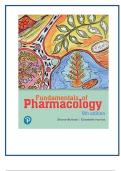
, Complete Table of Contents
SECTION I: Introduction to Sociocultural Aspects, Law, and Ethics
Chapter 1: Sociocultural Aspects
– Medicine advertising and media influences
– Over-the-counter (OTC) preparations
– Generic vs proprietary medicines
– Medicine use in older individuals
– Cultural and linguistic differences
– Indigenous perspectives on medicine therapy
Chapter 2: Health Professionals and the Law
– Legislative controls on medicines
– Australian and New Zealand medicine controls
– Common law: unclear, telephone, standing orders
– Emergency situations and nurse practitioners
– Midwifery and remote area care
Chapter 3: Ethical Issues in Health Care
– Six principles: veracity, autonomy, non-maleficence, etc.
– Ethical situations in pharmacology
– Professional responsibilities
SECTION II: Medicine Administration and Professional Responsibilities
Chapter 4: Formulations, Storage, Routes
– Formulations and stability
– Routes of administration
– First-pass effect
Chapter 5: Clinical Decision-Making
– Clinical assessment
– Medicine selection
– Patient factors
Chapter 6: Administration and Documentation
– Administration techniques
– Documentation standards
– Responsibilities
Chapter 7: Medication Errors
– Types and causes
– Prevention strategies
– Reporting and management
,SECTION III: General Aspects of Pharmacology
Chapter 8: Drug Nomenclature
– Generic, brand, chemical names
– Classification systems
Chapter 9: Pharmacokinetics
– ADME process
– Bioavailability and half-life
Chapter 10: Pharmacodynamics
– Drug-receptor interactions
– Dose-response, agonists
Chapter 11: Pharmacogenetics
– Genetic factors
– Pharmacogenomic testing
Chapter 12: Drug Interactions
– Pharmacokinetic & dynamic
– Drug-food interactions
Chapter 13: Pharmacokinetic Modifiers
– Age, disease, environment
Chapter 14: Pediatric & Geriatric Pharmacology
– Developmental and dosing issues
SECTION IV: Toxicology
Chapter 15: Poisoning & Envenomation
Chapter 16: Acute Overdose
Chapter 17: Substances of Abuse
Chapter 18: Medicine Safety
SECTION V: Autonomic Pharmacology
Chapter 19: Neuropharmacology Overview
Chapter 20: Adrenergic Pharmacology
Chapter 21: Cholinergic Pharmacology
SECTION VI: Neuropharmacology
Chapter 22: Antipsychotic Agents
Chapter 23: Anxiolytics & Hypnotics
Chapter 24: Antidepressants & Mood Stabilisers
Chapter 25: Neurodegenerative Disorders
Chapter 26: Antiseizure Agents & Muscle Relaxants
Chapter 27: CNS Stimulants
,SECTION VII: Pain and Anaesthesia
Chapter 28: Analgesics
Chapter 29: Migraine & Headaches
Chapter 30: General Anaesthesia
Chapter 31: Local Anaesthesia
SECTION VIII: Inflammation, Immunity and Cancer
Chapter 32: Anti-inflammatory Agents
Chapter 33: Antigout Medicines
Chapter 34: Antihistamines
Chapter 35: Immunomodulators
Chapter 36: Cancer Chemotherapy
SECTION IX: Cardiovascular and Respiratory Pharmacology
Chapter 37: Dyslipidaemia
Chapter 38: Antihypertensives
Chapter 39: Antianginals
Chapter 40: Anticoagulants and Thrombolytics
Chapter 41: Diuretics & Renal Drugs
Chapter 42: Heart Failure
Chapter 43: Antidysrhythmics
Chapter 44: Fluid & Electrolyte Imbalance
Chapter 45: Anti-anaemic Agents
Chapter 46: Respiratory Medicines (Asthma, COPD)
SECTION X: Modulation of Gastrointestinal Function
Chapter 47: Cold & Allergy Medicines
Chapter 48: Gastrointestinal Drugs
Chapter 49: Antiemetics
Chapter 50: Nutrition (Enteral/Parenteral)
SECTION XI: Endocrine and Metabolic Pharmacology
Chapter 51: Pituitary Conditions
Chapter 52: Thyroid Conditions
Chapter 53: Diabetes Management
Chapter 54: Adrenal Disorders
Chapter 55: Gonadal Hormones
Chapter 56: Bone Disorders
Chapter 57: Obesity Management
,SECTION XII: Antimicrobial Pharmacology
Chapter 58: Intro to Antimicrobials
Chapter 59: Antibacterial Agents
Chapter 60: TB and Leprosy Agents
Chapter 61: Antiseptics & Disinfectants
Chapter 62: Antiparasitic Agents
Chapter 63: Antivirals
Chapter 64: Antifungals
SECTION XIII: Special Topics in Pharmacology
Chapter 65: Skin Conditions
Chapter 66: Ophthalmic Medicines
Chapter 67: Herbal Medicines
, Chapter 1
1. A patient sees a televised advertisement claiming that a
new analgesic provides “complete pain relief in 10
minutes.” What sociocultural issue does this
advertisement most likely illustrate?
Correct answer: Exaggerated claims driven by commercial
interests
Rationale: Pharmaceutical marketing often uses
persuasive messaging that overstates benefits, reflecting
how media influence can shape patient expectations and
potentially lead to misuse or disappointment in real-world
therapy.
2. During a social media campaign, an influencer endorses an
off-label use of a prescription antibiotic. What is the
primary concern from a sociocultural perspective?
Correct answer: Promotion of inappropriate use without
clinical evidence
Rationale: Media-driven endorsements may bypass
regulatory oversight, promoting self-medication and
contributing to antibiotic resistance within communities.
3. A television commercial highlights only the benefits of a
new cough syrup without mentioning side effects. Which
aspect of medicine advertising does this exemplify?
Correct answer: Selective presentation of information
Rationale: Omitting risks skews patient perception,
, demonstrating how media can manipulate understanding
of therapeutic trade-offs in different cultural groups.
4. A pharmaceutical billboard in a low-literacy neighborhood
uses bright colors to advertise a diabetes drug. What
sociocultural challenge is most relevant?
Correct answer: Visual persuasion compensating for
limited health literacy
Rationale: Marketing strategies often adapt to community
education levels, but may oversimplify information,
impacting informed decision-making among vulnerable
populations.
5. An elderly patient purchases an OTC herbal supplement
for memory enhancement based on a pharmacy display.
What risk is most pertinent?
Correct answer: Potential herb–drug interactions
Rationale: Older adults frequently use OTC and
complementary products, and sociocultural trust in
“natural” remedies can lead to unrecognized interactions
with prescribed medications.
6. A consumer selects an OTC decongestant advertised as
“non-drowsy” but does not read the active ingredient.
What sociocultural factor contributed to this choice?
Correct answer: Reliance on marketing claims over label
literacy
Rationale: Advertising slogans often override critical
, reading of labels, illustrating how consumer culture
influences self-medication practices.
7. A multilingual pamphlet on OTC pain relief is only available
in English. Which sociocultural barrier does this represent?
Correct answer: Linguistic inaccessibility of medication
information
Rationale: Language mismatches in health materials
impede safe OTC use among non-English speakers,
reflecting broader disparities in healthcare
communication.
8. A community pharmacy offers a branded OTC allergy spray
alongside a cheaper generic version. What influences a
consumer’s choice socioculturally?
Correct answer: Brand loyalty and perceived quality
Rationale: Cultural beliefs equating brand names with
efficacy often drive OTC purchase decisions despite cost
differences.
9. A clinic switches patients from a proprietary proton-pump
inhibitor to its generic equivalent. What is the key benefit
of this change?
Correct answer: Reduced cost with comparable efficacy
Rationale: Generics contain the same active ingredient and
bioequivalence standards ensure therapeutic similarity,
supporting socioeconomic access to medicines.
10. A patient refuses a generic antiepileptic, believing it
to be inferior. What sociocultural misconception is at play?
, Correct answer: Mistrust of generic medicine quality
Rationale: Cultural perceptions may stigmatize generics as
substandard, despite rigorous regulatory evaluation
ensuring safety and effectiveness.
11. A pharmacist explains to a patient that the active
ingredient in both versions of an antihypertensive is
identical. Which principle does this illustrate?
Correct answer: Bioequivalence between generic and
proprietary medicines
Rationale: Understanding regulatory bioequivalence
supports patient acceptance and adherence across diverse
cultural attitudes to brands.
12. A healthcare campaign emphasizes switching to
generics to fund broader public health programs. What
sociocultural advantage does this offer?
Correct answer: Promoting equity in medicine access
Rationale: Endorsing generics highlights collective resource
allocation, aligning with cultural values of community
welfare and health equity.
13. An older patient with decreased renal function
reports adverse effects from standard dosing. What
pharmacological consideration is essential?
Correct answer: Age-related pharmacokinetic changes
Rationale: Sociocultural aspects include recognizing
physiologic changes in older adults that necessitate dosage
adjustments to minimize toxicity.
, 14. A caregiver administers multiple prescription and OTC
drugs to a grandparent without coordinating with the
physician. What sociocultural issue does this reflect?
Correct answer: Fragmented medicine use across care
networks
Rationale: In many cultures, family involvement in elder
care can lead to complex regimens and increased risk of
polypharmacy without professional oversight.
15. An elderly patient declines insulin therapy due to fear
of needles rooted in past cultural experiences. Which
approach best addresses this?
Correct answer: Culturally sensitive education and
needle-free alternatives
Rationale: Acknowledging cultural beliefs about injections
enables tailored interventions that improve adherence and
respect values.
16. A patient over 75 reports vision difficulties reading
labels, leading to under-dosing. What is the sociocultural
implication?
Correct answer: Physical barriers affecting self-medication
in older age
Rationale: Age-related sensory decline, compounded by
lack of assistive resources, underscores the need for
inclusive medicine packaging and support.
17. A migrant patient describes traditional healing
practices alongside prescribed therapy. What is the
SECTION I: Introduction to Sociocultural Aspects, Law, and Ethics
Chapter 1: Sociocultural Aspects
– Medicine advertising and media influences
– Over-the-counter (OTC) preparations
– Generic vs proprietary medicines
– Medicine use in older individuals
– Cultural and linguistic differences
– Indigenous perspectives on medicine therapy
Chapter 2: Health Professionals and the Law
– Legislative controls on medicines
– Australian and New Zealand medicine controls
– Common law: unclear, telephone, standing orders
– Emergency situations and nurse practitioners
– Midwifery and remote area care
Chapter 3: Ethical Issues in Health Care
– Six principles: veracity, autonomy, non-maleficence, etc.
– Ethical situations in pharmacology
– Professional responsibilities
SECTION II: Medicine Administration and Professional Responsibilities
Chapter 4: Formulations, Storage, Routes
– Formulations and stability
– Routes of administration
– First-pass effect
Chapter 5: Clinical Decision-Making
– Clinical assessment
– Medicine selection
– Patient factors
Chapter 6: Administration and Documentation
– Administration techniques
– Documentation standards
– Responsibilities
Chapter 7: Medication Errors
– Types and causes
– Prevention strategies
– Reporting and management
,SECTION III: General Aspects of Pharmacology
Chapter 8: Drug Nomenclature
– Generic, brand, chemical names
– Classification systems
Chapter 9: Pharmacokinetics
– ADME process
– Bioavailability and half-life
Chapter 10: Pharmacodynamics
– Drug-receptor interactions
– Dose-response, agonists
Chapter 11: Pharmacogenetics
– Genetic factors
– Pharmacogenomic testing
Chapter 12: Drug Interactions
– Pharmacokinetic & dynamic
– Drug-food interactions
Chapter 13: Pharmacokinetic Modifiers
– Age, disease, environment
Chapter 14: Pediatric & Geriatric Pharmacology
– Developmental and dosing issues
SECTION IV: Toxicology
Chapter 15: Poisoning & Envenomation
Chapter 16: Acute Overdose
Chapter 17: Substances of Abuse
Chapter 18: Medicine Safety
SECTION V: Autonomic Pharmacology
Chapter 19: Neuropharmacology Overview
Chapter 20: Adrenergic Pharmacology
Chapter 21: Cholinergic Pharmacology
SECTION VI: Neuropharmacology
Chapter 22: Antipsychotic Agents
Chapter 23: Anxiolytics & Hypnotics
Chapter 24: Antidepressants & Mood Stabilisers
Chapter 25: Neurodegenerative Disorders
Chapter 26: Antiseizure Agents & Muscle Relaxants
Chapter 27: CNS Stimulants
,SECTION VII: Pain and Anaesthesia
Chapter 28: Analgesics
Chapter 29: Migraine & Headaches
Chapter 30: General Anaesthesia
Chapter 31: Local Anaesthesia
SECTION VIII: Inflammation, Immunity and Cancer
Chapter 32: Anti-inflammatory Agents
Chapter 33: Antigout Medicines
Chapter 34: Antihistamines
Chapter 35: Immunomodulators
Chapter 36: Cancer Chemotherapy
SECTION IX: Cardiovascular and Respiratory Pharmacology
Chapter 37: Dyslipidaemia
Chapter 38: Antihypertensives
Chapter 39: Antianginals
Chapter 40: Anticoagulants and Thrombolytics
Chapter 41: Diuretics & Renal Drugs
Chapter 42: Heart Failure
Chapter 43: Antidysrhythmics
Chapter 44: Fluid & Electrolyte Imbalance
Chapter 45: Anti-anaemic Agents
Chapter 46: Respiratory Medicines (Asthma, COPD)
SECTION X: Modulation of Gastrointestinal Function
Chapter 47: Cold & Allergy Medicines
Chapter 48: Gastrointestinal Drugs
Chapter 49: Antiemetics
Chapter 50: Nutrition (Enteral/Parenteral)
SECTION XI: Endocrine and Metabolic Pharmacology
Chapter 51: Pituitary Conditions
Chapter 52: Thyroid Conditions
Chapter 53: Diabetes Management
Chapter 54: Adrenal Disorders
Chapter 55: Gonadal Hormones
Chapter 56: Bone Disorders
Chapter 57: Obesity Management
,SECTION XII: Antimicrobial Pharmacology
Chapter 58: Intro to Antimicrobials
Chapter 59: Antibacterial Agents
Chapter 60: TB and Leprosy Agents
Chapter 61: Antiseptics & Disinfectants
Chapter 62: Antiparasitic Agents
Chapter 63: Antivirals
Chapter 64: Antifungals
SECTION XIII: Special Topics in Pharmacology
Chapter 65: Skin Conditions
Chapter 66: Ophthalmic Medicines
Chapter 67: Herbal Medicines
, Chapter 1
1. A patient sees a televised advertisement claiming that a
new analgesic provides “complete pain relief in 10
minutes.” What sociocultural issue does this
advertisement most likely illustrate?
Correct answer: Exaggerated claims driven by commercial
interests
Rationale: Pharmaceutical marketing often uses
persuasive messaging that overstates benefits, reflecting
how media influence can shape patient expectations and
potentially lead to misuse or disappointment in real-world
therapy.
2. During a social media campaign, an influencer endorses an
off-label use of a prescription antibiotic. What is the
primary concern from a sociocultural perspective?
Correct answer: Promotion of inappropriate use without
clinical evidence
Rationale: Media-driven endorsements may bypass
regulatory oversight, promoting self-medication and
contributing to antibiotic resistance within communities.
3. A television commercial highlights only the benefits of a
new cough syrup without mentioning side effects. Which
aspect of medicine advertising does this exemplify?
Correct answer: Selective presentation of information
Rationale: Omitting risks skews patient perception,
, demonstrating how media can manipulate understanding
of therapeutic trade-offs in different cultural groups.
4. A pharmaceutical billboard in a low-literacy neighborhood
uses bright colors to advertise a diabetes drug. What
sociocultural challenge is most relevant?
Correct answer: Visual persuasion compensating for
limited health literacy
Rationale: Marketing strategies often adapt to community
education levels, but may oversimplify information,
impacting informed decision-making among vulnerable
populations.
5. An elderly patient purchases an OTC herbal supplement
for memory enhancement based on a pharmacy display.
What risk is most pertinent?
Correct answer: Potential herb–drug interactions
Rationale: Older adults frequently use OTC and
complementary products, and sociocultural trust in
“natural” remedies can lead to unrecognized interactions
with prescribed medications.
6. A consumer selects an OTC decongestant advertised as
“non-drowsy” but does not read the active ingredient.
What sociocultural factor contributed to this choice?
Correct answer: Reliance on marketing claims over label
literacy
Rationale: Advertising slogans often override critical
, reading of labels, illustrating how consumer culture
influences self-medication practices.
7. A multilingual pamphlet on OTC pain relief is only available
in English. Which sociocultural barrier does this represent?
Correct answer: Linguistic inaccessibility of medication
information
Rationale: Language mismatches in health materials
impede safe OTC use among non-English speakers,
reflecting broader disparities in healthcare
communication.
8. A community pharmacy offers a branded OTC allergy spray
alongside a cheaper generic version. What influences a
consumer’s choice socioculturally?
Correct answer: Brand loyalty and perceived quality
Rationale: Cultural beliefs equating brand names with
efficacy often drive OTC purchase decisions despite cost
differences.
9. A clinic switches patients from a proprietary proton-pump
inhibitor to its generic equivalent. What is the key benefit
of this change?
Correct answer: Reduced cost with comparable efficacy
Rationale: Generics contain the same active ingredient and
bioequivalence standards ensure therapeutic similarity,
supporting socioeconomic access to medicines.
10. A patient refuses a generic antiepileptic, believing it
to be inferior. What sociocultural misconception is at play?
, Correct answer: Mistrust of generic medicine quality
Rationale: Cultural perceptions may stigmatize generics as
substandard, despite rigorous regulatory evaluation
ensuring safety and effectiveness.
11. A pharmacist explains to a patient that the active
ingredient in both versions of an antihypertensive is
identical. Which principle does this illustrate?
Correct answer: Bioequivalence between generic and
proprietary medicines
Rationale: Understanding regulatory bioequivalence
supports patient acceptance and adherence across diverse
cultural attitudes to brands.
12. A healthcare campaign emphasizes switching to
generics to fund broader public health programs. What
sociocultural advantage does this offer?
Correct answer: Promoting equity in medicine access
Rationale: Endorsing generics highlights collective resource
allocation, aligning with cultural values of community
welfare and health equity.
13. An older patient with decreased renal function
reports adverse effects from standard dosing. What
pharmacological consideration is essential?
Correct answer: Age-related pharmacokinetic changes
Rationale: Sociocultural aspects include recognizing
physiologic changes in older adults that necessitate dosage
adjustments to minimize toxicity.
, 14. A caregiver administers multiple prescription and OTC
drugs to a grandparent without coordinating with the
physician. What sociocultural issue does this reflect?
Correct answer: Fragmented medicine use across care
networks
Rationale: In many cultures, family involvement in elder
care can lead to complex regimens and increased risk of
polypharmacy without professional oversight.
15. An elderly patient declines insulin therapy due to fear
of needles rooted in past cultural experiences. Which
approach best addresses this?
Correct answer: Culturally sensitive education and
needle-free alternatives
Rationale: Acknowledging cultural beliefs about injections
enables tailored interventions that improve adherence and
respect values.
16. A patient over 75 reports vision difficulties reading
labels, leading to under-dosing. What is the sociocultural
implication?
Correct answer: Physical barriers affecting self-medication
in older age
Rationale: Age-related sensory decline, compounded by
lack of assistive resources, underscores the need for
inclusive medicine packaging and support.
17. A migrant patient describes traditional healing
practices alongside prescribed therapy. What is the


