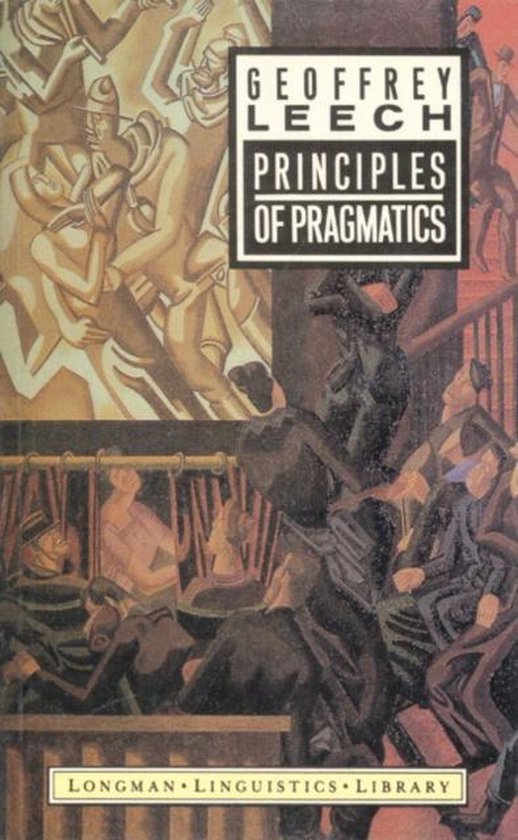
Leech
Hoofdstuk 1. Introductie
P. 3-4
- Definitie politiness
- Communicative altruism
P. 4-9
8 kenmerken van politeness
1. Not obligatory (p4)
2. There are varying gradiations of politeness (p4)
3. Sense of what is normal (p5)
4. Depends on the situation (+ situaties waarin onbeleefdheid gepast is) (p5)
5. Recipocal assymetry (p6)
6. Repetitive/ritualized (+ battle of politeness) (p7)
7. Transaction of value (p8)
8. Preserving a balance of value (p8)
P. 9 - 11
Bivalente en trivalente beleefdheid
Bivalent= honorificatie (verticale en horizontale afstand)
Trivalent= transactionele beleefdheid (verticale en horizontale afstand + gewicht van transactie)
P. 11 – 13
Pos-politeness vs Neg-politeness (Brown & Levinson)
Pos-politeness= geeft positieve uitdrukking aan de ontvanger
Neg-politeness= reduceert mogelijkheden tot offence (belangrijker)
Waarom volgt Leech niet model B&L? P. 13
P. 13 – 15
Pragmalinguistic vs sociopragmatics algemeen
Tegenstelling context-sensitive en context-free en form en function (p13)
P. 15 - 18
Pragmalinguistic vs sociopragmatics politeness
Bipolar scale of sociopragmatic politeness (p17)
Unipolar scale of pragmalinguistic politeness (p18)
P. 18 – 20
Adressee politeness vs third-person politeness
P. 21 – 21
Social vs psychological explanations of politeness
Negative and positive face B&L (p24)
Negative and positive face Leech (p25)
FTA’s (p25)
, Hoofdstuk 2. Politeness viewpoints
P. 29 – 32
Five explicanda:
1. Indirectness
2. Reciprocal asymmetry
3. Gradations of politeness
4. Opposite interpretations of elliptical expression
5. Preference and dispreference
P. 32 – 43
An overview of Theories or Models of Politeness
Robin T. Lakoff (p33)
- Gricean perspective
- Distance, deference, camaderie
Brown and Levinson (p33)
- Face
- FTA’s
- Tabel voor het voorkomen van FTA’s
- Off-record en on record
Geoffrey Leech (p34-35)
- Politeness Principle (PP)
- Maximes van politeness:
o Tact Maxim
o Generosity Maxim
o Approbation Maxim
o Modesty Maxim
o Agreement maxim
o Sympathy maxim
Yeguo Gu (p35-36)
- Chinese
- Balance Principle
- Face
Sachiko Ide (p36)
- Japanese
- Volition
- Discernment
The Cross-cultural speech act realization project (CCSARP) (p37)
- Discourse completion tests
- Verschillende soorten uitingen van sorry
- Intercultureel
Bruce Fraser en William Nolen (p37)
- Conversation contract
Hoofdstuk 1. Introductie
P. 3-4
- Definitie politiness
- Communicative altruism
P. 4-9
8 kenmerken van politeness
1. Not obligatory (p4)
2. There are varying gradiations of politeness (p4)
3. Sense of what is normal (p5)
4. Depends on the situation (+ situaties waarin onbeleefdheid gepast is) (p5)
5. Recipocal assymetry (p6)
6. Repetitive/ritualized (+ battle of politeness) (p7)
7. Transaction of value (p8)
8. Preserving a balance of value (p8)
P. 9 - 11
Bivalente en trivalente beleefdheid
Bivalent= honorificatie (verticale en horizontale afstand)
Trivalent= transactionele beleefdheid (verticale en horizontale afstand + gewicht van transactie)
P. 11 – 13
Pos-politeness vs Neg-politeness (Brown & Levinson)
Pos-politeness= geeft positieve uitdrukking aan de ontvanger
Neg-politeness= reduceert mogelijkheden tot offence (belangrijker)
Waarom volgt Leech niet model B&L? P. 13
P. 13 – 15
Pragmalinguistic vs sociopragmatics algemeen
Tegenstelling context-sensitive en context-free en form en function (p13)
P. 15 - 18
Pragmalinguistic vs sociopragmatics politeness
Bipolar scale of sociopragmatic politeness (p17)
Unipolar scale of pragmalinguistic politeness (p18)
P. 18 – 20
Adressee politeness vs third-person politeness
P. 21 – 21
Social vs psychological explanations of politeness
Negative and positive face B&L (p24)
Negative and positive face Leech (p25)
FTA’s (p25)
, Hoofdstuk 2. Politeness viewpoints
P. 29 – 32
Five explicanda:
1. Indirectness
2. Reciprocal asymmetry
3. Gradations of politeness
4. Opposite interpretations of elliptical expression
5. Preference and dispreference
P. 32 – 43
An overview of Theories or Models of Politeness
Robin T. Lakoff (p33)
- Gricean perspective
- Distance, deference, camaderie
Brown and Levinson (p33)
- Face
- FTA’s
- Tabel voor het voorkomen van FTA’s
- Off-record en on record
Geoffrey Leech (p34-35)
- Politeness Principle (PP)
- Maximes van politeness:
o Tact Maxim
o Generosity Maxim
o Approbation Maxim
o Modesty Maxim
o Agreement maxim
o Sympathy maxim
Yeguo Gu (p35-36)
- Chinese
- Balance Principle
- Face
Sachiko Ide (p36)
- Japanese
- Volition
- Discernment
The Cross-cultural speech act realization project (CCSARP) (p37)
- Discourse completion tests
- Verschillende soorten uitingen van sorry
- Intercultureel
Bruce Fraser en William Nolen (p37)
- Conversation contract