,Question 1
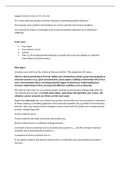
1.1 Citizenship, equal citizenship, citizenship education; minimalist vs.
maximalist
Citizenship: Legal membership in a country, granting rights (vote, protection) and
duties (taxes, laws) (SoE, 2022).
Equal citizenship: All citizens have equal rights and opportunities, regardless of
race, gender, class, or religion.
Citizenship education: Teaching learners their rights, responsibilities, and
participation in democratic life to promote active, informed citizenship.
ii) Minimalist vs. maximalist view of citizenship (4)
Minimalist: Focus on legal status and obeying laws; citizenship is passive.
Maximalist: Emphasises active participation in civic life, social justice, and
community involvement (SoE, 2022).
Citizenship refers to the legal membership of individuals within a state, granting them
rights and responsibilities that enable them to participate within society’s structures
while being protected by its laws (SoE, 2022). Equal citizenship builds on this by
advocating for the removal of systemic barriers, ensuring that all individuals, regardless
of race, gender, or social class, enjoy equal access to these rights and opportunities,
thereby fostering an inclusive society (Davids et al., 2018). It aims to produce critical
thinkers capable of contributing to the development of a democratic society.
The minimalist view of citizenship focuses primarily on the legal status of individuals
within a state, emphasising obedience to laws, payment of taxes, and voting during
elections, with minimal civic engagement required (Heater, 2004). In contrast, the
, maximalist view of citizenship extends beyond legal obligations to include active
participation in democratic processes, social justice activities, and community
engagement, promoting critical consciousness and participation in societal
transformation (Davids et al., 2018).
(SoE, 2022; Davids et al., 2018; Heater, 2004)
1.1 Citizenship, equal citizenship, citizenship education; minimalist vs.
maximalist
Citizenship: Legal membership in a country, granting rights (vote, protection) and
duties (taxes, laws) (SoE, 2022).
Equal citizenship: All citizens have equal rights and opportunities, regardless of
race, gender, class, or religion.
Citizenship education: Teaching learners their rights, responsibilities, and
participation in democratic life to promote active, informed citizenship.
ii) Minimalist vs. maximalist view of citizenship (4)
Minimalist: Focus on legal status and obeying laws; citizenship is passive.
Maximalist: Emphasises active participation in civic life, social justice, and
community involvement (SoE, 2022).
Citizenship refers to the legal membership of individuals within a state, granting them
rights and responsibilities that enable them to participate within society’s structures
while being protected by its laws (SoE, 2022). Equal citizenship builds on this by
advocating for the removal of systemic barriers, ensuring that all individuals, regardless
of race, gender, or social class, enjoy equal access to these rights and opportunities,
thereby fostering an inclusive society (Davids et al., 2018). It aims to produce critical
thinkers capable of contributing to the development of a democratic society.
The minimalist view of citizenship focuses primarily on the legal status of individuals
within a state, emphasising obedience to laws, payment of taxes, and voting during
elections, with minimal civic engagement required (Heater, 2004). In contrast, the
, maximalist view of citizenship extends beyond legal obligations to include active
participation in democratic processes, social justice activities, and community
engagement, promoting critical consciousness and participation in societal
transformation (Davids et al., 2018).
(SoE, 2022; Davids et al., 2018; Heater, 2004)