Solutions Manual ii
v
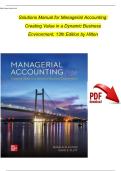
Managerial Accounting: Creating Value in a Dynamic
ii
v ii
v ii
v ii
v ii
v ii
v
Business Environment, 13th Edition by Hilton
ii ii
v ii
v ii
v ii
v ii
v
Chapters 1 - 17 Complete
ii ii
v ii
v ii
v ii
v
,TABLE OF CONTENTS vii ii
Chapter 1: The Changing Role of Managerial Accounting in a Dynamic Business
v v v v v v v v v v v
EnvironmentiiChapter 2: Basic Cost Management Concepts
v v v v v v
Chapter 3: Product Costing and Cost Accumulation in a Batch Production Environment
v v v v v v v v v v v
Chapter 4: Process Costing and
v v v v v v Hybrid Product-Costing v v Systems
Chapter 5: Activity-Based Costing and Management
v v v v v
Chapter 6: Activity Analysis, Cost Behavior, and Cost
v v v v v v v v
EstimationiiChapter 7: Cost-Volume-Profit Analysis
v v v v
Chapter 8: Variable Costing and the Measurement of ESG and Quality
v v v v v v v v v v
v Costs Chapter 9: Financial
v v v v Planning and v v Analysis: v The Master Budget
v v
Chapter 10: Standard Costing and Analysis of Direct Costs
v v v v v v v v
Chapter 11: Flexible Budgeting and the Management of Overhead
v v v v v v v v v and Support Activity
v v
v CostsiiChapter 12: Responsibility Accounting and the Balanced Scorecard
v v v v v v v
Chapter 13: Investment Centers and Transfer Pricing
v v v v v v
v Chapter 14: Decision Making: Relevant Costs and
v v v v v v
v Benefits Chapter 15: Target Costing and Cost Analysis
v v v v v v v
v for Pricing DecisionsiiChapter 16: Capital Expenditure
v v v v v
v Decisions
Chapter 17: Allocation of Support Activity Costs and Joint Costs
v v v v v v v v v
Appendix I: The Sarbanes-Oxley Act, Internal Controls, and Management
v v v v v v v v
v AccountingiiAppendix II: v v Compound Interest and v v v the v Concept of Present Value v v v
Appendix III: Inventory Management
v v v
,CHAPTER 1 v
The Crucial Role of Managerial Accounting in a
v v v v v v v
Dynamic Business Environment v v
FOCUS ON ETHICS (Located before the Chapter Summary in the text.)
v v v v v v v v v v
The focus-on-ethics inset for Chapter 1 is the IMA Statement of Ethical Professional Practice.
v v v v v v v v v v v v v
vInstructors can use this list of ethical principles and standards to lead a class discussion.
v v v v v v v v v v v v v v
vThe discussion can also range to consideration of how these standards may have been
v v v v v v v v v v v v v
vviolated by accountants and managers involved in the various ethical scandals uncovered
v v v v v v v v v v v
vover the past several years. It is also useful to discuss the pros and cons of the procedures
v v v v v v v v v v v v v v v v v
vthat IMA suggests for its members when they believe they know about ethical lapses in
v v v v v v v v v v v v v v
vtheir organizations.
v
ANSWERS TO REVIEW QUESTIONS v v v
1-1 The explosion in e-commerce will affect managers in significant ways. One
v v v v v v v v v v
veffect will be a drastic reduction in paper work. Millions of transactions between
v v v v v v v v v v v v
businesses are now being conducted electronically with no hard-copy
v v v v v v v v v
documentation. Along withthis method of communicating for business transactions
v v v v v v v v v
comes the very significant issue of information security. Businesses need to find
v v v v v v v v v v v v
ways to protect confidential information in their own computers, in cloud
v v v v v v v v v v v
computing data centers, and while moving across the internet, while at the
v v v v v v v v v v v v
same time sharing the information necessary to complete transactions.
v v v v v v v v v
Another effect of e-commerce is the dramatically increased speed with which
v v v v v v v v v v v
business transactions can be conducted. In addition, there will be dramatic
v v v v v v v v v v v
changes in the way managerial accounting procedures are carried out, one
v v v v v v v v v v v
example being cloud- based budgeting, which is the enterprise-wide and
v v v v v v v v v v
electronic completion of a company’s budgeting process using cloud-based
v v v v v v v v v
software and data storage.
v v v v
, 1-2 Plausible v v goals v v for v v the v v organizations v v listed v v are v v as v v follows:
(a) Amazon.com: (1) To achieve and maintain profitability, and (2) to grow on- v v v v v v v v v v v
vline sales of their many products. Amazon is also famous (infamous) for wanting
v v v v v v v v v v v v
vto have every product in the world on its site.
v v v v v v v v v
(b) American Red Cross: (1) To raise funds from the general public sufficient to have
v v v v v v v v v v v v v
resources available to meet any disaster that may occur, and (2) to provide
v v v v v v v v v v v v v
assistance to people who are victims of a disaster anywhere in the world on short
v v v v v v v v v v v v v v v
notice.
v
(c) General Motors: (1) To earn income sufficient to provide a good return on
v v v v v v v v v v v v
v the investment of the company's stockholders, and (2) to provide the
v v v v v v v v v v
vhighest- quality product possible. v v v
(d) Wal-Mart: (1) To penetrate the retail market in virtually every location in the United
v v v v v v v v v v v v v
States, and (2) to grow over time in terms of number of retail locations, total
v v v v v v v v v v v v v v v
assets, and earnings. Also, to be competitive with Amazon in the e-retail
v v v v v v v v v v v v
space.
v
(e) City of Seattle: (1) To maintain an urban environment as free of pollution as
v v v v v v v v v v v v v
possible, and (2) to provide public safety, police, and fire protection to the city's
v v v v v v v v v v v v v v
citizens.
v
(f) Hertz: (1) To be a recognizable household name associated with rental car
v v v v v v v v v v v
services, and (2) to provide reliable and economical transportation services to the
v v v v v v v v v v v v
company's customers.
v v
1-3 The v v four v v basic v v management v v activities v v are v v listed v v and v v defined v v as v v follows:
(a) Decision making: Choosing among the available alternatives.
(b) Planning: Developing a detailed financial and v
operational description
v ofanticipated operations. v v
(c) Directing operations: Running the organization on a day-to-day basis.
(d) Controlling: Ensuring that the organization operates v v
in v the intended manner and achieves its goals. v v ii v v
v
Managerial Accounting: Creating Value in a Dynamic
ii
v ii
v ii
v ii
v ii
v ii
v
Business Environment, 13th Edition by Hilton
ii ii
v ii
v ii
v ii
v ii
v
Chapters 1 - 17 Complete
ii ii
v ii
v ii
v ii
v
,TABLE OF CONTENTS vii ii
Chapter 1: The Changing Role of Managerial Accounting in a Dynamic Business
v v v v v v v v v v v
EnvironmentiiChapter 2: Basic Cost Management Concepts
v v v v v v
Chapter 3: Product Costing and Cost Accumulation in a Batch Production Environment
v v v v v v v v v v v
Chapter 4: Process Costing and
v v v v v v Hybrid Product-Costing v v Systems
Chapter 5: Activity-Based Costing and Management
v v v v v
Chapter 6: Activity Analysis, Cost Behavior, and Cost
v v v v v v v v
EstimationiiChapter 7: Cost-Volume-Profit Analysis
v v v v
Chapter 8: Variable Costing and the Measurement of ESG and Quality
v v v v v v v v v v
v Costs Chapter 9: Financial
v v v v Planning and v v Analysis: v The Master Budget
v v
Chapter 10: Standard Costing and Analysis of Direct Costs
v v v v v v v v
Chapter 11: Flexible Budgeting and the Management of Overhead
v v v v v v v v v and Support Activity
v v
v CostsiiChapter 12: Responsibility Accounting and the Balanced Scorecard
v v v v v v v
Chapter 13: Investment Centers and Transfer Pricing
v v v v v v
v Chapter 14: Decision Making: Relevant Costs and
v v v v v v
v Benefits Chapter 15: Target Costing and Cost Analysis
v v v v v v v
v for Pricing DecisionsiiChapter 16: Capital Expenditure
v v v v v
v Decisions
Chapter 17: Allocation of Support Activity Costs and Joint Costs
v v v v v v v v v
Appendix I: The Sarbanes-Oxley Act, Internal Controls, and Management
v v v v v v v v
v AccountingiiAppendix II: v v Compound Interest and v v v the v Concept of Present Value v v v
Appendix III: Inventory Management
v v v
,CHAPTER 1 v
The Crucial Role of Managerial Accounting in a
v v v v v v v
Dynamic Business Environment v v
FOCUS ON ETHICS (Located before the Chapter Summary in the text.)
v v v v v v v v v v
The focus-on-ethics inset for Chapter 1 is the IMA Statement of Ethical Professional Practice.
v v v v v v v v v v v v v
vInstructors can use this list of ethical principles and standards to lead a class discussion.
v v v v v v v v v v v v v v
vThe discussion can also range to consideration of how these standards may have been
v v v v v v v v v v v v v
vviolated by accountants and managers involved in the various ethical scandals uncovered
v v v v v v v v v v v
vover the past several years. It is also useful to discuss the pros and cons of the procedures
v v v v v v v v v v v v v v v v v
vthat IMA suggests for its members when they believe they know about ethical lapses in
v v v v v v v v v v v v v v
vtheir organizations.
v
ANSWERS TO REVIEW QUESTIONS v v v
1-1 The explosion in e-commerce will affect managers in significant ways. One
v v v v v v v v v v
veffect will be a drastic reduction in paper work. Millions of transactions between
v v v v v v v v v v v v
businesses are now being conducted electronically with no hard-copy
v v v v v v v v v
documentation. Along withthis method of communicating for business transactions
v v v v v v v v v
comes the very significant issue of information security. Businesses need to find
v v v v v v v v v v v v
ways to protect confidential information in their own computers, in cloud
v v v v v v v v v v v
computing data centers, and while moving across the internet, while at the
v v v v v v v v v v v v
same time sharing the information necessary to complete transactions.
v v v v v v v v v
Another effect of e-commerce is the dramatically increased speed with which
v v v v v v v v v v v
business transactions can be conducted. In addition, there will be dramatic
v v v v v v v v v v v
changes in the way managerial accounting procedures are carried out, one
v v v v v v v v v v v
example being cloud- based budgeting, which is the enterprise-wide and
v v v v v v v v v v
electronic completion of a company’s budgeting process using cloud-based
v v v v v v v v v
software and data storage.
v v v v
, 1-2 Plausible v v goals v v for v v the v v organizations v v listed v v are v v as v v follows:
(a) Amazon.com: (1) To achieve and maintain profitability, and (2) to grow on- v v v v v v v v v v v
vline sales of their many products. Amazon is also famous (infamous) for wanting
v v v v v v v v v v v v
vto have every product in the world on its site.
v v v v v v v v v
(b) American Red Cross: (1) To raise funds from the general public sufficient to have
v v v v v v v v v v v v v
resources available to meet any disaster that may occur, and (2) to provide
v v v v v v v v v v v v v
assistance to people who are victims of a disaster anywhere in the world on short
v v v v v v v v v v v v v v v
notice.
v
(c) General Motors: (1) To earn income sufficient to provide a good return on
v v v v v v v v v v v v
v the investment of the company's stockholders, and (2) to provide the
v v v v v v v v v v
vhighest- quality product possible. v v v
(d) Wal-Mart: (1) To penetrate the retail market in virtually every location in the United
v v v v v v v v v v v v v
States, and (2) to grow over time in terms of number of retail locations, total
v v v v v v v v v v v v v v v
assets, and earnings. Also, to be competitive with Amazon in the e-retail
v v v v v v v v v v v v
space.
v
(e) City of Seattle: (1) To maintain an urban environment as free of pollution as
v v v v v v v v v v v v v
possible, and (2) to provide public safety, police, and fire protection to the city's
v v v v v v v v v v v v v v
citizens.
v
(f) Hertz: (1) To be a recognizable household name associated with rental car
v v v v v v v v v v v
services, and (2) to provide reliable and economical transportation services to the
v v v v v v v v v v v v
company's customers.
v v
1-3 The v v four v v basic v v management v v activities v v are v v listed v v and v v defined v v as v v follows:
(a) Decision making: Choosing among the available alternatives.
(b) Planning: Developing a detailed financial and v
operational description
v ofanticipated operations. v v
(c) Directing operations: Running the organization on a day-to-day basis.
(d) Controlling: Ensuring that the organization operates v v
in v the intended manner and achieves its goals. v v ii v v