Weimar & Nazi Germany
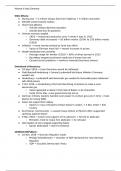
WW1 Effects:
● During war → 2 million troops died from fighting + 4 million wounded
● 600,000 women became widows
● Home front affected
○ 763,000 civilians died from starvation
○ 150,000 died from flu pandemic
● German economy crippled
○ 1918 → industrial production only ⅔ what it was in 1913
○ Germany debt increased → 50 billion marks (1914) to 150 billion marks
(1918)
● Inflation → more money printed to fund war effort
○ Value of German mark fell → meant increase in prices
● Wealth distributed more unevenly
○ Average wage for worker (1918) → 60% of what earned in 1913
○ Big military weapons businesses made lots of money from war
○ Caused social problems → workers resented business owners
Defeat/end of Monarchy:
● 29 Sept 1918 → clear Germany would be defeated
● Field Marshall Hindenburg + General Lundendorff told Kaiser Wilhelm II Germany
wouldn’t win
● Hindenburg + Lundendorff said democratic gov needed for favourable peace settlement
with Allied powers
● 3 Oct 1918 → Hindenberg informed Reichstag of decision to make a more
democratic gov
○ Kaiser appointed a Liberal, Prince Max of Baden, to be Chancellor.
○ Under Prince Max, a new government was set up.
● German military leaders handed over power to civilian gov just in time → took
blame for losing WW1
● Kaiser lots support from military
○ Sailors in navy refused to follow Kaiser’s orders → 3 Nov 1918 → Kiel
mutiny
● Kurt Eisner (communist) → caused mass strikes in Munich after supported
uprising against Kaiser
● 9 Nov 1918 → kaiser lost support of his advisors + forced to abdicate
○ Ministers tried to make him abdicate → he refused
● After leaders of army stopped supporting Kaiser
○ Kaiser abdicated → went to Holland
GERMAN REPUBLIC:
● 10 Nov 1918 → German Republic made
○ Philipp Scheidemann → member of SDP declared the new German
Republic
○ SDP → Socialist Democratic Party
, Weimar & Nazi Germany
● Freidrich Ebert → leader of SDP became leader of German Republic
○ He created Council of People’s Representatives as temporary Gov
○ Council ran Germany until elections → held Jan 1919
● 11 Nov 1918 → Ebert admitted defeat + signed armistice → truce w/ the Allies
● Some germans felt Germany could have won → treaty was unfair
○ Felt ‘stabbed in the back’
○ Ebert + politicians who negotiated peace → ‘november criminals’
○ Berlin → hotbed for revolts
Weimar Republic:
● When in hardship → gov unpopular
● When in success → gov popular
● Republic set up in Weimar → where new gov created
● President → chancellor → cabinet → reichstag → reichsrat → electorate
● Cabinet → made political decisions + led by chancellor
● Reichstag + Reichsrat → elected every 4 years
● Reichstag → more powerful + controlled tax
● Reichsrat → represented each German region
● Electorate → all men + women 20+ could vote in elections
Weimar Constitution:
● New constitution → drawn up by Hugo Preuss → was a jew
STRENGTHS:
● Genuine democracy → all Germans 20+ could vote
● Strong constitution → no 1 person or group could hold too much power
WEAKNESSES:
● Weaknesses outweighed strengths
● Proportional representation → weak coalitions were only way to gain power + lead
Germany
● Article 48 → President could avoid + go around democracy
● German states e.g. Prussia still held power through Reichsrat
Treaty of Versailles:
PUBLIC OPINION according to historian - James Hawes
● Germany was usually 1st country to develop new weapons so should have won
○ E.g. poison gas + very heavy artillery + functioning submarines
● August 1918 → most germans actually thought they would win war
○ Made ToV’s terms harder to accept
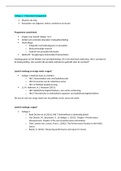
Political changes/unrest in WR:
● In early years → WR struggled to cope with pressure from ToV
WW1 Effects:
● During war → 2 million troops died from fighting + 4 million wounded
● 600,000 women became widows
● Home front affected
○ 763,000 civilians died from starvation
○ 150,000 died from flu pandemic
● German economy crippled
○ 1918 → industrial production only ⅔ what it was in 1913
○ Germany debt increased → 50 billion marks (1914) to 150 billion marks
(1918)
● Inflation → more money printed to fund war effort
○ Value of German mark fell → meant increase in prices
● Wealth distributed more unevenly
○ Average wage for worker (1918) → 60% of what earned in 1913
○ Big military weapons businesses made lots of money from war
○ Caused social problems → workers resented business owners
Defeat/end of Monarchy:
● 29 Sept 1918 → clear Germany would be defeated
● Field Marshall Hindenburg + General Lundendorff told Kaiser Wilhelm II Germany
wouldn’t win
● Hindenburg + Lundendorff said democratic gov needed for favourable peace settlement
with Allied powers
● 3 Oct 1918 → Hindenberg informed Reichstag of decision to make a more
democratic gov
○ Kaiser appointed a Liberal, Prince Max of Baden, to be Chancellor.
○ Under Prince Max, a new government was set up.
● German military leaders handed over power to civilian gov just in time → took
blame for losing WW1
● Kaiser lots support from military
○ Sailors in navy refused to follow Kaiser’s orders → 3 Nov 1918 → Kiel
mutiny
● Kurt Eisner (communist) → caused mass strikes in Munich after supported
uprising against Kaiser
● 9 Nov 1918 → kaiser lost support of his advisors + forced to abdicate
○ Ministers tried to make him abdicate → he refused
● After leaders of army stopped supporting Kaiser
○ Kaiser abdicated → went to Holland
GERMAN REPUBLIC:
● 10 Nov 1918 → German Republic made
○ Philipp Scheidemann → member of SDP declared the new German
Republic
○ SDP → Socialist Democratic Party
, Weimar & Nazi Germany
● Freidrich Ebert → leader of SDP became leader of German Republic
○ He created Council of People’s Representatives as temporary Gov
○ Council ran Germany until elections → held Jan 1919
● 11 Nov 1918 → Ebert admitted defeat + signed armistice → truce w/ the Allies
● Some germans felt Germany could have won → treaty was unfair
○ Felt ‘stabbed in the back’
○ Ebert + politicians who negotiated peace → ‘november criminals’
○ Berlin → hotbed for revolts
Weimar Republic:
● When in hardship → gov unpopular
● When in success → gov popular
● Republic set up in Weimar → where new gov created
● President → chancellor → cabinet → reichstag → reichsrat → electorate
● Cabinet → made political decisions + led by chancellor
● Reichstag + Reichsrat → elected every 4 years
● Reichstag → more powerful + controlled tax
● Reichsrat → represented each German region
● Electorate → all men + women 20+ could vote in elections
Weimar Constitution:
● New constitution → drawn up by Hugo Preuss → was a jew
STRENGTHS:
● Genuine democracy → all Germans 20+ could vote
● Strong constitution → no 1 person or group could hold too much power
WEAKNESSES:
● Weaknesses outweighed strengths
● Proportional representation → weak coalitions were only way to gain power + lead
Germany
● Article 48 → President could avoid + go around democracy
● German states e.g. Prussia still held power through Reichsrat
Treaty of Versailles:
PUBLIC OPINION according to historian - James Hawes
● Germany was usually 1st country to develop new weapons so should have won
○ E.g. poison gas + very heavy artillery + functioning submarines
● August 1918 → most germans actually thought they would win war
○ Made ToV’s terms harder to accept
Political changes/unrest in WR:
● In early years → WR struggled to cope with pressure from ToV