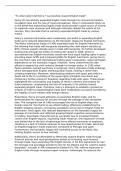
“To what extent did Henry 7 successfully expand English trade”.
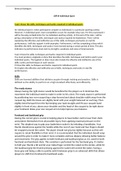
Henry VII successfully expanded English trade through his commercial treaties,
navigation laws and his ruse of royal prerogatives. Henry’s motivations likely lay
in the belief that expanding English trade would provide a good source of income
to replenish royal revenues and although historians debate the extent of his
success, they conclude that he certainly expanded English trade by various
means.
Henry’s commercial treaties were moderately successful in expanding English
trade as he reduced dependence on the Hanseatic league for English merchants.
The Malus intercurses treaty of 1496 expanded trade for English merchants by
the allowing free trade with burgundy expanding the cloth export industry as
80% of these exports already were in trade with burgundy. He further developed
trading links through the treaty of medina del campo in 1489, where it
ascertained that English merchants would now have equal trading rights in spain,
providing lower tariffs and increased profits for English merchants, giving rise to
the merchant class and international trading grew in popularity, reducing English
dependence on the hanseatic league. However, henry undermined his own
efforts to expand the cloth industry through his foreign policy. In 1592 when
Perkin warbeck claimed sanctuary in burgundy, Henry imposed a trade embargo,
which damaged both English and Burgundian trade, limiting it rather than
ushering expansion. Moreover, deteriorating relations with spain post Arthur’s
death led to the th crumbling of the equal rights of English merchants and
limited any further economic freedoms regarding trade with spain. These issues
highlighted the vulnerability and fragility of Henry’s reforms and treaties for
trade expansion, emphasising the lack of longevity in his policies toward
expanding English trade. Therefore, Henry’s attempts to establish commercial
treaties in order to expand English trade were moderately successful considering
the fragility of such treaties with foreign nations.
Regardless, Henry pursued attempts at expanding English trade, and he
demonstrated his capacity for success through the passage of the navigation
laws. The navigation law of 1485 encouraged the use of English ships over
foreign ones for merchants to use whilst trading, effectively establishing the
English shipping industry, increasing availability and access to English trade for
merchants. Once again, this reduced dependence on the hanseatic league for
passage of merchants and reflected growing English expertise and prominence
in trading. Essentially characterised as successful due to increased English
control over English exports, expanding trade. However, this expansion of trade
was limited due to the lack of patronage henry offered merchants or explorers,
resulting in a lack of colonial ventures of new opportunities for trade, which led
to England lagging in trade expansion compared to Portugal and spain.
Furthermore, the hanseatic league still controlled access to the Baltic Sea,
limiting English access to new markets.
Additionally, Henry VII attempted to effectively expand English trade through
financial policies and royal prerogatives aimed at increasing royal revenue
through trade. Upon ascending the English throne, in his first parliament he had
the tonnage and poundage granted to him for his lifetime and his customs duties
expanded – brought in 40k compared to Edward IV’s 33k, reflects expansion in
English trade through increased export revenue. Followingly, he reduced the
Henry VII successfully expanded English trade through his commercial treaties,
navigation laws and his ruse of royal prerogatives. Henry’s motivations likely lay
in the belief that expanding English trade would provide a good source of income
to replenish royal revenues and although historians debate the extent of his
success, they conclude that he certainly expanded English trade by various
means.
Henry’s commercial treaties were moderately successful in expanding English
trade as he reduced dependence on the Hanseatic league for English merchants.
The Malus intercurses treaty of 1496 expanded trade for English merchants by
the allowing free trade with burgundy expanding the cloth export industry as
80% of these exports already were in trade with burgundy. He further developed
trading links through the treaty of medina del campo in 1489, where it
ascertained that English merchants would now have equal trading rights in spain,
providing lower tariffs and increased profits for English merchants, giving rise to
the merchant class and international trading grew in popularity, reducing English
dependence on the hanseatic league. However, henry undermined his own
efforts to expand the cloth industry through his foreign policy. In 1592 when
Perkin warbeck claimed sanctuary in burgundy, Henry imposed a trade embargo,
which damaged both English and Burgundian trade, limiting it rather than
ushering expansion. Moreover, deteriorating relations with spain post Arthur’s
death led to the th crumbling of the equal rights of English merchants and
limited any further economic freedoms regarding trade with spain. These issues
highlighted the vulnerability and fragility of Henry’s reforms and treaties for
trade expansion, emphasising the lack of longevity in his policies toward
expanding English trade. Therefore, Henry’s attempts to establish commercial
treaties in order to expand English trade were moderately successful considering
the fragility of such treaties with foreign nations.
Regardless, Henry pursued attempts at expanding English trade, and he
demonstrated his capacity for success through the passage of the navigation
laws. The navigation law of 1485 encouraged the use of English ships over
foreign ones for merchants to use whilst trading, effectively establishing the
English shipping industry, increasing availability and access to English trade for
merchants. Once again, this reduced dependence on the hanseatic league for
passage of merchants and reflected growing English expertise and prominence
in trading. Essentially characterised as successful due to increased English
control over English exports, expanding trade. However, this expansion of trade
was limited due to the lack of patronage henry offered merchants or explorers,
resulting in a lack of colonial ventures of new opportunities for trade, which led
to England lagging in trade expansion compared to Portugal and spain.
Furthermore, the hanseatic league still controlled access to the Baltic Sea,
limiting English access to new markets.
Additionally, Henry VII attempted to effectively expand English trade through
financial policies and royal prerogatives aimed at increasing royal revenue
through trade. Upon ascending the English throne, in his first parliament he had
the tonnage and poundage granted to him for his lifetime and his customs duties
expanded – brought in 40k compared to Edward IV’s 33k, reflects expansion in
English trade through increased export revenue. Followingly, he reduced the