Summary 0HM240 – The Quantified Self in Health
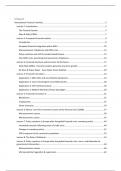
Contents
1. Rationale and method
a. Book ch. 1 + 2 + 4
2. Importance of context
a. Book ch. 14 + 15 + paper Miller
b. Book ch. 5 + 6 + paper Scollon et al.
3. Multilevel analysis
a. Book ch. 3 + 20
4. Within person analysis
a. Book ch. 3 + 20
5. Peter Joosten: Biohacking and transhumanism
a. Book Joosten ch. 1 + 2
6. mHealth
a. Book ch. 32 + paper Olla et al.
7. Ambulatory assessment
a. Book ch. 12 + 13 + paper Hynynen et al.
8. Ethical considerations
a. Paper Lanzing + paper Lupton
9. Mental health
a. Book ch. 35 + 36 + paper Myin-Germeys et al.
10. Recap lecture
Lecture 1 – Rationale and method (book ch. 1 + 2 + 4)
Quantified self = the idea of measuring in the natural flow and context of daily life. Often over a
longer period of time.
To gain insight into:
- How life is lived
- How the variables of life interact
- How life can be improved
Quantified self has value for personal improvement, but also for research and interventions.
Human performance improvement: body and mind hacking with the goal to change something.
Human enhancement: modifying the body by adding biological or electronic components, also
genetic modification.
Research terminology, often used interchangeably:
ESM = Experience Sampling Methods
EMA = Ecological Momentary Assessment
- Ambulatory measurement of context and physiology, instead of psychological factors.
Why use ESM? POSITIVES
- To overcome retrospective bias
o Not ESM: when you ask: How happy did you feel – on average- during the past
month?
Before answering this question:
Contents
1. Rationale and method
a. Book ch. 1 + 2 + 4
2. Importance of context
a. Book ch. 14 + 15 + paper Miller
b. Book ch. 5 + 6 + paper Scollon et al.
3. Multilevel analysis
a. Book ch. 3 + 20
4. Within person analysis
a. Book ch. 3 + 20
5. Peter Joosten: Biohacking and transhumanism
a. Book Joosten ch. 1 + 2
6. mHealth
a. Book ch. 32 + paper Olla et al.
7. Ambulatory assessment
a. Book ch. 12 + 13 + paper Hynynen et al.
8. Ethical considerations
a. Paper Lanzing + paper Lupton
9. Mental health
a. Book ch. 35 + 36 + paper Myin-Germeys et al.
10. Recap lecture
Lecture 1 – Rationale and method (book ch. 1 + 2 + 4)
Quantified self = the idea of measuring in the natural flow and context of daily life. Often over a
longer period of time.
To gain insight into:
- How life is lived
- How the variables of life interact
- How life can be improved
Quantified self has value for personal improvement, but also for research and interventions.
Human performance improvement: body and mind hacking with the goal to change something.
Human enhancement: modifying the body by adding biological or electronic components, also
genetic modification.
Research terminology, often used interchangeably:
ESM = Experience Sampling Methods
EMA = Ecological Momentary Assessment
- Ambulatory measurement of context and physiology, instead of psychological factors.
Why use ESM? POSITIVES
- To overcome retrospective bias
o Not ESM: when you ask: How happy did you feel – on average- during the past
month?
Before answering this question: