Lecture 1:
The Science of Addiction
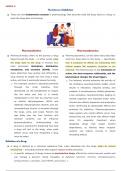
These are two fundamental concepts in pharmacology that describe what the body does to a drug vs.
what the drug does to the body.
Pharmacokinetics: Pharmacodynamics:
Pharmacokinetics refers to the journey a drug Pharmacodynamics, on the other hand, describes
takes through the body — in other words, what what the drug does to the body — specifically,
the body does to the drug. It involves four how it produces its effects by interacting with
main processes: absorption, distribution, cellular targets like receptors, enzymes, or ion
metabolism, and excretion (ADME). These channels. This field focuses on the mechanism of
steps determine how quickly and efficiently a action, the dose–response relationship, and the
drug reaches its target site, how long it stays physiological changes the drug triggers.
active, and how it eventually leaves the body. For instance, alcohol enhances the activity of
For example, alcohol is absorbed primarily the inhibitory neurotransmitter GABA, which
through the small intestine, then results in relaxation, reduced anxiety, and
distributed via the bloodstream to organs sedation. It simultaneously inhibits glutamate,
like the brain and liver. It is mainly a key excitatory neurotransmitter, leading to
metabolized in the liver by enzymes such slowed cognition and impaired motor skills.
as alcohol dehydrogenase (ADH) and Alcohol also affects dopamine and endorphin
aldehyde dehydrogenase (ALDH), and any levels, reinforcing its pleasurable effects and
unmetabolized alcohol is excreted through
potential for addiction. Pharmacodynamics
the lungs, urine, and sweat. Factors like
helps explain why certain effects occur, how
age, body size, sex, liver function, and
strong they are, and what side effects might
stomach contents can all influence
arise. It’s especially important when
pharmacokinetics. Understanding this
designing drugs that target alcohol
process is essential for predicting how long
dependence, as altering these receptor
a drug will last in the body, when peak
systems can reduce craving or block
effects occur, and how frequently a drug
rewarding effects.
must be taken.
Definition of a Drug:
A drug is defined as a chemical substance that, when absorbed into the body, alters its normal
functioning — excluding nutrients that support regular bodily processes.
A specific category of drugs, known as psychoactive drugs, affects the central nervous system and
can change a person's mood, thoughts, or behavior (alcohol, nicotine, antidepressants,
antipsychotics, cannabis, LSD, MDMA, psilocybin...)
, These substances are also commonly used to manage various neuropsychological conditions.
Interestingly, caffeine is the most widely used psychoactive drug in the world, despite its
everyday presence in beverages like coffee and tea.
Drugs typically have three types of names:
Chemical/Systemic name: Long, complex (e.g. 7-chloro-1,3-dihydro...)
Generic name: Standard, non-branded name (e.g. Diazepam)
Trade/Brand name: Commercial name (e.g. Valium)
Drug use exists on a spectrum, ranging from complete abstinence to severe addiction:
Drug Use is a Choice (Initially):
People vary widely—some never try drugs, others experiment only once, and some use regularly or
develop harmful, compulsive patterns. The first use of a drug is usually influenced by environmental
factors like peer pressure or cultural norms ("everyone does it" or "it's part of the culture").
Addiction is Not a Choice!
However, addiction is not a conscious choice—nobody aims to become addicted. Instead, people
often gradually progress along the spectrum of use until they find they can no longer function
without the substance.
Clinical Definition of Drug Addiction:
Drug addiction is clinically defined as a chronic, relapsing disorder, as outlined in both the ICD-11 and
DSM-5 diagnostic systems – It is characterized by a loss of control over drug use, where the behavior
continues despite having an increasingly negative impact on other areas of life, such as health,
relationships, or work.
A key component of addiction is neural adaptation to the substance, which includes developing
tolerance (needing more of the drug for the same effect) and experiencing withdrawal symptoms
when the drug is not used.
, Reminder → Definitions are not static!
Definitions of addiction have evolved over time.
Changes reflect advances in:
Scientific understanding.
Social attitudes.
Medical models.
Diagnostic criteria have been updated in versions of DSM and ICD throughout the years.
The definition of addiction is not fixed – it has evolved over time to reflect changes in scientific
knowledge, societal views, and the development of more precise diagnostic tools.
As our understanding of addiction has deepened—moving from moral or spiritual explanations to
biomedical and psychological models—official definitions in systems like the DSM and ICD have
been regularly revised.
This highlights that addiction is a complex and dynamic condition, not one that can be captured
by a single, unchanging description.
How Does Addiction Develop?
The understanding of how addiction develops has changed significantly over time.
Early Theories (Pre-scientific era):
Possession by Demons:
In ancient times, addiction and other forms of unusual behavior were seen as signs of spiritual
possession.
People believed that those who struggled with substance use were under the control of evil
forces or demons.
, The solution was typically spiritual or religious intervention—such as exorcism or prayer—not
medical or psychological treatment.
This reflected a lack of scientific understanding and viewed addiction more as a moral or
supernatural problem rather than a health issue.
18th–19th Century:
Moral Failure & Lack of Willpower:
During the Enlightenment and post-Enlightenment eras, addiction was commonly viewed as a
moral weakness.
It was believed that individuals who became addicted lacked self-discipline, strong
willpower, or moral character.
Addiction was considered a personal choice—something people could avoid if they simply "tried
harder."
As a result, people with addiction were often blamed, punished, or socially shamed instead of
being helped.
There was no understanding of the biological or psychological basis of addiction at this
time!
Modern Scientific Theories of Addiction:
1. Disease Model:
Views addiction as a chronic medical condition, similar to diseases like diabetes or heart disease.
Emphasizes biological and neurological changes in the brain, particularly those caused by repeated
substance use.
Treats addiction as a health issue, not a personal failure.
Important for promoting medical treatment and reducing stigma.
2. Personality Predisposition:
Suggests that some people may be more vulnerable to addiction due to underlying personality
traits.
For example: high impulsivity, low self-esteem, or using substances to cope with negative
emotions, stress, or trauma.
Addiction in this model is a kind of maladaptive coping mechanism.
3. Reinforcement Theory (Behavioral Model):
Based on the idea that behavior is shaped by its consequences.
If a drug produces pleasurable or rewarding effects (like euphoria or relaxation), the person is
more likely to repeat the behavior.
Over time, this reinforcement leads to habit formation and potentially addiction.
Current Understanding:
The Science of Addiction
These are two fundamental concepts in pharmacology that describe what the body does to a drug vs.
what the drug does to the body.
Pharmacokinetics: Pharmacodynamics:
Pharmacokinetics refers to the journey a drug Pharmacodynamics, on the other hand, describes
takes through the body — in other words, what what the drug does to the body — specifically,
the body does to the drug. It involves four how it produces its effects by interacting with
main processes: absorption, distribution, cellular targets like receptors, enzymes, or ion
metabolism, and excretion (ADME). These channels. This field focuses on the mechanism of
steps determine how quickly and efficiently a action, the dose–response relationship, and the
drug reaches its target site, how long it stays physiological changes the drug triggers.
active, and how it eventually leaves the body. For instance, alcohol enhances the activity of
For example, alcohol is absorbed primarily the inhibitory neurotransmitter GABA, which
through the small intestine, then results in relaxation, reduced anxiety, and
distributed via the bloodstream to organs sedation. It simultaneously inhibits glutamate,
like the brain and liver. It is mainly a key excitatory neurotransmitter, leading to
metabolized in the liver by enzymes such slowed cognition and impaired motor skills.
as alcohol dehydrogenase (ADH) and Alcohol also affects dopamine and endorphin
aldehyde dehydrogenase (ALDH), and any levels, reinforcing its pleasurable effects and
unmetabolized alcohol is excreted through
potential for addiction. Pharmacodynamics
the lungs, urine, and sweat. Factors like
helps explain why certain effects occur, how
age, body size, sex, liver function, and
strong they are, and what side effects might
stomach contents can all influence
arise. It’s especially important when
pharmacokinetics. Understanding this
designing drugs that target alcohol
process is essential for predicting how long
dependence, as altering these receptor
a drug will last in the body, when peak
systems can reduce craving or block
effects occur, and how frequently a drug
rewarding effects.
must be taken.
Definition of a Drug:
A drug is defined as a chemical substance that, when absorbed into the body, alters its normal
functioning — excluding nutrients that support regular bodily processes.
A specific category of drugs, known as psychoactive drugs, affects the central nervous system and
can change a person's mood, thoughts, or behavior (alcohol, nicotine, antidepressants,
antipsychotics, cannabis, LSD, MDMA, psilocybin...)
, These substances are also commonly used to manage various neuropsychological conditions.
Interestingly, caffeine is the most widely used psychoactive drug in the world, despite its
everyday presence in beverages like coffee and tea.
Drugs typically have three types of names:
Chemical/Systemic name: Long, complex (e.g. 7-chloro-1,3-dihydro...)
Generic name: Standard, non-branded name (e.g. Diazepam)
Trade/Brand name: Commercial name (e.g. Valium)
Drug use exists on a spectrum, ranging from complete abstinence to severe addiction:
Drug Use is a Choice (Initially):
People vary widely—some never try drugs, others experiment only once, and some use regularly or
develop harmful, compulsive patterns. The first use of a drug is usually influenced by environmental
factors like peer pressure or cultural norms ("everyone does it" or "it's part of the culture").
Addiction is Not a Choice!
However, addiction is not a conscious choice—nobody aims to become addicted. Instead, people
often gradually progress along the spectrum of use until they find they can no longer function
without the substance.
Clinical Definition of Drug Addiction:
Drug addiction is clinically defined as a chronic, relapsing disorder, as outlined in both the ICD-11 and
DSM-5 diagnostic systems – It is characterized by a loss of control over drug use, where the behavior
continues despite having an increasingly negative impact on other areas of life, such as health,
relationships, or work.
A key component of addiction is neural adaptation to the substance, which includes developing
tolerance (needing more of the drug for the same effect) and experiencing withdrawal symptoms
when the drug is not used.
, Reminder → Definitions are not static!
Definitions of addiction have evolved over time.
Changes reflect advances in:
Scientific understanding.
Social attitudes.
Medical models.
Diagnostic criteria have been updated in versions of DSM and ICD throughout the years.
The definition of addiction is not fixed – it has evolved over time to reflect changes in scientific
knowledge, societal views, and the development of more precise diagnostic tools.
As our understanding of addiction has deepened—moving from moral or spiritual explanations to
biomedical and psychological models—official definitions in systems like the DSM and ICD have
been regularly revised.
This highlights that addiction is a complex and dynamic condition, not one that can be captured
by a single, unchanging description.
How Does Addiction Develop?
The understanding of how addiction develops has changed significantly over time.
Early Theories (Pre-scientific era):
Possession by Demons:
In ancient times, addiction and other forms of unusual behavior were seen as signs of spiritual
possession.
People believed that those who struggled with substance use were under the control of evil
forces or demons.
, The solution was typically spiritual or religious intervention—such as exorcism or prayer—not
medical or psychological treatment.
This reflected a lack of scientific understanding and viewed addiction more as a moral or
supernatural problem rather than a health issue.
18th–19th Century:
Moral Failure & Lack of Willpower:
During the Enlightenment and post-Enlightenment eras, addiction was commonly viewed as a
moral weakness.
It was believed that individuals who became addicted lacked self-discipline, strong
willpower, or moral character.
Addiction was considered a personal choice—something people could avoid if they simply "tried
harder."
As a result, people with addiction were often blamed, punished, or socially shamed instead of
being helped.
There was no understanding of the biological or psychological basis of addiction at this
time!
Modern Scientific Theories of Addiction:
1. Disease Model:
Views addiction as a chronic medical condition, similar to diseases like diabetes or heart disease.
Emphasizes biological and neurological changes in the brain, particularly those caused by repeated
substance use.
Treats addiction as a health issue, not a personal failure.
Important for promoting medical treatment and reducing stigma.
2. Personality Predisposition:
Suggests that some people may be more vulnerable to addiction due to underlying personality
traits.
For example: high impulsivity, low self-esteem, or using substances to cope with negative
emotions, stress, or trauma.
Addiction in this model is a kind of maladaptive coping mechanism.
3. Reinforcement Theory (Behavioral Model):
Based on the idea that behavior is shaped by its consequences.
If a drug produces pleasurable or rewarding effects (like euphoria or relaxation), the person is
more likely to repeat the behavior.
Over time, this reinforcement leads to habit formation and potentially addiction.
Current Understanding: