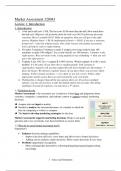
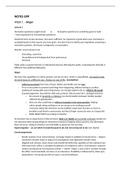
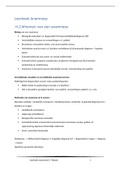
• A brief history of media:
*Telephone: mediated interpersonal communication
*three eras in history: agriculturalàindustrialàdigital era
• Agricultutral era: dominated by those who have land and livestock
• Industrial era: dominated by those who own the means of production (machine)
*mass production: huge scale of production
*the cost of producing another copy of the product was at least the same
• Digital era:
*the way products are distributed changesàanother copy with no extra cost
*Generation and trading of products and services via digitized data, information, and knowledge
*Infrastructure enables new ways of control, coordination, and collaboration
Infrastructure: information and communication technologies
*Digital resources become largely independent of time, borders, and space
• Ubiquitous computing: environment in which computational technology pervades nearly everything
*terminology of digital society
* stages of computing
e.g. previous: libraryàtour guide; nowàplatforms for information
*access and control of this environment anytime from anywhere
*at recent ages, physical world increasingly linked with electronic space
• characteristics of the digitcal society:
1. pervasive digital infrastructure
*including advanced computers, software, platforms, networks, algorithms
2. dependence on social, political, and economic processes on digital infrastructure
*Digitization and dataGication of life
*Technology doesn’t fully determine society, and society also inGluences technology
• A brief history of communication effect studies:
1. 1910s to late 1930s: Phase of strong, all-powerful effects
^magic bullet, hypodermic effect theory
^the effect will be immediate and evident, especially persuasive messages; passive receivers
2. 1940s to late 1960s: Phase of weak effects
^ focus on short-term attitudinal effects may have obfuscated stronger effects
^ inappropriate interpretation in key studies
^ selective reading of key work
3. 1970s to 1980s: Phase of moderate effects
4. Late 1970’s to today: Phase of negotiated/transactional media effects
^maybe not the correct effect? Not all effect
^e.g. media has no effect on what to think but is powerful on what to think about
• The six-stage model
1. persuasion theories: simple attitude change and behavioral modeling
e.g. social learning; lasswell linear model
2. active audience theories: motivated attention
e.g. uses and gratiGications; selective exposure
3. social context theories: interpersonal context of communication
e.g. spiral of silence; thrid person theory
4. societal & media theories: long-term accumulation of effects
e.g. cultivation theory; public sphere
5. interpretive effects theories: beyond attitude change- salience, accessibility, and structure of attitudes
, e.g. agenda setting; priming; framing
6. new media theories: expanded two-way communication, networking, expanded content choice
e.g. computer-mediated communication
• DSMM(Differential Susceptibility to Media Effects Model):
1. Conditionality: the selection and responsiveness to media (media effects) are conditional
i. dispositional susceptibility 性格易感性: all person dimensions that ……, including gender,
temperament, personality, cognitions, values, attitudes, beliefs, motivations, and moods.
ii. developmental susceptibility: the …… due to cognitive, emotional, and social development
iii. social susceptibility: social-context factors that can ……
^can be micro (interpersonal context: e.g., family, friends, peers),
meso (institutional context: e.g., school, church, work),
and macro level (societal context: e.g., cultural norms and values
2. Selectivity: Media use are selected, based on the three types of susceptibnility variables
3. Transactionality: Outcomes of media use also inGluence media use
*three Media Response States:
Cognitive Response: How people think about media (e.g., attention, comprehension, elaboration).
Emotional Response: How media makes people feel (e.g., empathy, excitement, fear).
Excitative Response: Physiological arousal from media exposure (e.g., heart rate, stress response).
• Challenges to communication theory:
1. Ethical principles for the analysis of the digital society
Before: Media content was curated by professionals, regulated by law; users decide what to use
Now: digitizationàprivacy and security violations; algorithms may affect choices-autonomy
2. Pervasiveness and connectivity
Before: Media was produced by professionals (small number); passive recipients; linear use
Now: users = distributors +creators; media pervade most areas of life (no media-free space)
“ubiquitous computing”
3. Merging of mass and interpersonal communication
Before: Mass and interpersonal communication are related, but distinct phenomena
Now: On social media, mass and interpersonal communications are deeply intertwined
4. Algorithms and recommender systems
Before: users are guided by their preferences and habits; limited choice
Now: Algorithms and recommender systems learn from and inGluence media users’ choices
5. Human-machine communication
Before: media and technology function as channels of communication between humans
Now: chatbots and robots do not merely function as channels, but also as partners
6. Immersiveness
Before (in the theory): Face-to-face comm is the gold standard of comm, preferred by humans
Now: Digital techàvirtual environmentsàengagement as much as f2f communication, or more.
• data: the material produced by abstracting the world into categories, measures and other representtaional forms that
constitute the building blocks form which information and knowledge are created
• dataEication: the wider transformation of human life so that its elements can be a continual source of data
*a contemporary phenomenon
*very often for economic value
• actors of dataEication: social at large: corporations, states, civic actors (NGOs, activists, journalists), or non-state
actors(hacker collectives, terrorists)
1. especially big corporate players
2. social quantiGication sector (smaller actors): hardware, software, general platforms, data companies
*Telephone: mediated interpersonal communication
*three eras in history: agriculturalàindustrialàdigital era
• Agricultutral era: dominated by those who have land and livestock
• Industrial era: dominated by those who own the means of production (machine)
*mass production: huge scale of production
*the cost of producing another copy of the product was at least the same
• Digital era:
*the way products are distributed changesàanother copy with no extra cost
*Generation and trading of products and services via digitized data, information, and knowledge
*Infrastructure enables new ways of control, coordination, and collaboration
Infrastructure: information and communication technologies
*Digital resources become largely independent of time, borders, and space
• Ubiquitous computing: environment in which computational technology pervades nearly everything
*terminology of digital society
* stages of computing
e.g. previous: libraryàtour guide; nowàplatforms for information
*access and control of this environment anytime from anywhere
*at recent ages, physical world increasingly linked with electronic space
• characteristics of the digitcal society:
1. pervasive digital infrastructure
*including advanced computers, software, platforms, networks, algorithms
2. dependence on social, political, and economic processes on digital infrastructure
*Digitization and dataGication of life
*Technology doesn’t fully determine society, and society also inGluences technology
• A brief history of communication effect studies:
1. 1910s to late 1930s: Phase of strong, all-powerful effects
^magic bullet, hypodermic effect theory
^the effect will be immediate and evident, especially persuasive messages; passive receivers
2. 1940s to late 1960s: Phase of weak effects
^ focus on short-term attitudinal effects may have obfuscated stronger effects
^ inappropriate interpretation in key studies
^ selective reading of key work
3. 1970s to 1980s: Phase of moderate effects
4. Late 1970’s to today: Phase of negotiated/transactional media effects
^maybe not the correct effect? Not all effect
^e.g. media has no effect on what to think but is powerful on what to think about
• The six-stage model
1. persuasion theories: simple attitude change and behavioral modeling
e.g. social learning; lasswell linear model
2. active audience theories: motivated attention
e.g. uses and gratiGications; selective exposure
3. social context theories: interpersonal context of communication
e.g. spiral of silence; thrid person theory
4. societal & media theories: long-term accumulation of effects
e.g. cultivation theory; public sphere
5. interpretive effects theories: beyond attitude change- salience, accessibility, and structure of attitudes
, e.g. agenda setting; priming; framing
6. new media theories: expanded two-way communication, networking, expanded content choice
e.g. computer-mediated communication
• DSMM(Differential Susceptibility to Media Effects Model):
1. Conditionality: the selection and responsiveness to media (media effects) are conditional
i. dispositional susceptibility 性格易感性: all person dimensions that ……, including gender,
temperament, personality, cognitions, values, attitudes, beliefs, motivations, and moods.
ii. developmental susceptibility: the …… due to cognitive, emotional, and social development
iii. social susceptibility: social-context factors that can ……
^can be micro (interpersonal context: e.g., family, friends, peers),
meso (institutional context: e.g., school, church, work),
and macro level (societal context: e.g., cultural norms and values
2. Selectivity: Media use are selected, based on the three types of susceptibnility variables
3. Transactionality: Outcomes of media use also inGluence media use
*three Media Response States:
Cognitive Response: How people think about media (e.g., attention, comprehension, elaboration).
Emotional Response: How media makes people feel (e.g., empathy, excitement, fear).
Excitative Response: Physiological arousal from media exposure (e.g., heart rate, stress response).
• Challenges to communication theory:
1. Ethical principles for the analysis of the digital society
Before: Media content was curated by professionals, regulated by law; users decide what to use
Now: digitizationàprivacy and security violations; algorithms may affect choices-autonomy
2. Pervasiveness and connectivity
Before: Media was produced by professionals (small number); passive recipients; linear use
Now: users = distributors +creators; media pervade most areas of life (no media-free space)
“ubiquitous computing”
3. Merging of mass and interpersonal communication
Before: Mass and interpersonal communication are related, but distinct phenomena
Now: On social media, mass and interpersonal communications are deeply intertwined
4. Algorithms and recommender systems
Before: users are guided by their preferences and habits; limited choice
Now: Algorithms and recommender systems learn from and inGluence media users’ choices
5. Human-machine communication
Before: media and technology function as channels of communication between humans
Now: chatbots and robots do not merely function as channels, but also as partners
6. Immersiveness
Before (in the theory): Face-to-face comm is the gold standard of comm, preferred by humans
Now: Digital techàvirtual environmentsàengagement as much as f2f communication, or more.
• data: the material produced by abstracting the world into categories, measures and other representtaional forms that
constitute the building blocks form which information and knowledge are created
• dataEication: the wider transformation of human life so that its elements can be a continual source of data
*a contemporary phenomenon
*very often for economic value
• actors of dataEication: social at large: corporations, states, civic actors (NGOs, activists, journalists), or non-state
actors(hacker collectives, terrorists)
1. especially big corporate players
2. social quantiGication sector (smaller actors): hardware, software, general platforms, data companies