

MICROB
RE
[COMPANY NAME] [Company address]
,LAB NOTES-MICROBIOLOGY LAB
INTRODUCTION: AN OVERVIEW OF BREWING YEASTS
Yeasts are a diverse and important
biological single celled fungi that most
notably plays a central role in the process
of fermentation. It converts sugars into
alcohol and carbon dioxide through
fermentation and the distinct strains can
change the flavour, aroma and clarity of
the beer being produced. The simple
transformation of these ingredients has
led to the production of the most
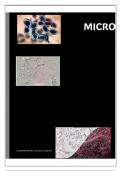
Figure 1 General yeast structure. historically and economically important
beverages in the world. Today, over 18.8
billion litres of beer are produced per year with a global GDP contribution of over
$878 billion so there is no doubt that the study of yeast is a vital and ever-
growing field of science.
The two most common strains of yeast used for beer fermentation are
Saccharomyces cerevisiae for ales and Saccharomyces Pastorious for lagers.
Saccharomyces cerevisiae produces fruity esters and phenols while
Saccharomyces pastorianus ferment at the
bottom of the fermenter to create a cleaner
crisper flavour. These strains have been used
consistently over hundreds of years and are
subsequently well characterized with their traits
aligning well to the types of beer they produce and 2 Saccharomyces are
cerevisiae
being used as a baseline for many new, genetically modified strains.
A historically significant yeast is kveik which is a strain representing a unique link
to the Saccharomyces cerevisiae evolution and is an essential part of Norwegian
brewing tradition. This ale yeast has a highly thermotolerant and produce fruity
, esters. Divergence in understanding occurs when comparing the manufacturing
claims and scientific research done on the strain. Manufacturers highlight the
strong flavours and lack of need for cooling and while the scientific research
confirms certain aspects of the pace of production, they also note the distinct
strain to strain variability in the results gathered. Another vital difference is the
manufacturers claim that this strain is extremely clean and easy to reuse when in
the scientific findings it was observed that cultures where often mixed with other
yeast and even bacterial populations.
Another interesting strain of Saccharomyces
cerevisiae is diastatic yeast which carries the
STA1 gene, allowing it to produce an enzyme
called glucoamylase that breaks down
complex and unfermentable sugars (e.g. dextrin) into simple fermentable sugars.
This is a unique naturally occurring trait caused by a gene variant. This increased
ability to ferment can cause over-attenuation if not monitored closely which is
where the yeast ferments sugars that other strains aren’t capable of which can
lead to increased carbonation and the explosion of bottles due to the built-up
pressure. These strains can cause serious quality and safety risks during
production and very hard to detect and remove.
We see that like diastatic yeast, many natural strains can pose serious problems
to the fermentation process. In order to create a more controlled and reliable
process, many breweries use genetically modified strains to get high-quality,
reproducible beers. A common GMO strain is Sourvisiae which has been
engineered to carry a lactic acid producing gene from the Lactobacillus bacteria
which produces lactic acid without undesirable microbial contamination. This
results in consistent sour beers. Diacetyl Knock-Out (DKO) strains do not have
diacetyl reductase which eliminates diacetyl production which causes a spoiled
butter taste in the beer. Another interesting GMO strain is thiolized yeast which
has been engineered to enhance thiol production which increases the level of
desired flavours and aromas to create very aromatic and fruity beers without the
risk of over fermentation as we see in diastatic yeasts.
Beyond modify genes within a naturally occurring
strains, we are now able to create entirely new strains
to the benefit of specific types of production. Lal Brew
RE
[COMPANY NAME] [Company address]
,LAB NOTES-MICROBIOLOGY LAB
INTRODUCTION: AN OVERVIEW OF BREWING YEASTS
Yeasts are a diverse and important
biological single celled fungi that most
notably plays a central role in the process
of fermentation. It converts sugars into
alcohol and carbon dioxide through
fermentation and the distinct strains can
change the flavour, aroma and clarity of
the beer being produced. The simple
transformation of these ingredients has
led to the production of the most
Figure 1 General yeast structure. historically and economically important
beverages in the world. Today, over 18.8
billion litres of beer are produced per year with a global GDP contribution of over
$878 billion so there is no doubt that the study of yeast is a vital and ever-
growing field of science.
The two most common strains of yeast used for beer fermentation are
Saccharomyces cerevisiae for ales and Saccharomyces Pastorious for lagers.
Saccharomyces cerevisiae produces fruity esters and phenols while
Saccharomyces pastorianus ferment at the
bottom of the fermenter to create a cleaner
crisper flavour. These strains have been used
consistently over hundreds of years and are
subsequently well characterized with their traits
aligning well to the types of beer they produce and 2 Saccharomyces are
cerevisiae
being used as a baseline for many new, genetically modified strains.
A historically significant yeast is kveik which is a strain representing a unique link
to the Saccharomyces cerevisiae evolution and is an essential part of Norwegian
brewing tradition. This ale yeast has a highly thermotolerant and produce fruity
, esters. Divergence in understanding occurs when comparing the manufacturing
claims and scientific research done on the strain. Manufacturers highlight the
strong flavours and lack of need for cooling and while the scientific research
confirms certain aspects of the pace of production, they also note the distinct
strain to strain variability in the results gathered. Another vital difference is the
manufacturers claim that this strain is extremely clean and easy to reuse when in
the scientific findings it was observed that cultures where often mixed with other
yeast and even bacterial populations.
Another interesting strain of Saccharomyces
cerevisiae is diastatic yeast which carries the
STA1 gene, allowing it to produce an enzyme
called glucoamylase that breaks down
complex and unfermentable sugars (e.g. dextrin) into simple fermentable sugars.
This is a unique naturally occurring trait caused by a gene variant. This increased
ability to ferment can cause over-attenuation if not monitored closely which is
where the yeast ferments sugars that other strains aren’t capable of which can
lead to increased carbonation and the explosion of bottles due to the built-up
pressure. These strains can cause serious quality and safety risks during
production and very hard to detect and remove.
We see that like diastatic yeast, many natural strains can pose serious problems
to the fermentation process. In order to create a more controlled and reliable
process, many breweries use genetically modified strains to get high-quality,
reproducible beers. A common GMO strain is Sourvisiae which has been
engineered to carry a lactic acid producing gene from the Lactobacillus bacteria
which produces lactic acid without undesirable microbial contamination. This
results in consistent sour beers. Diacetyl Knock-Out (DKO) strains do not have
diacetyl reductase which eliminates diacetyl production which causes a spoiled
butter taste in the beer. Another interesting GMO strain is thiolized yeast which
has been engineered to enhance thiol production which increases the level of
desired flavours and aromas to create very aromatic and fruity beers without the
risk of over fermentation as we see in diastatic yeasts.
Beyond modify genes within a naturally occurring
strains, we are now able to create entirely new strains
to the benefit of specific types of production. Lal Brew


