Idenydes and ketones
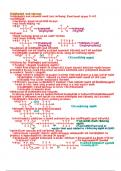
aldehydesand ketones have the carbonylfunctionalgroup 1 0
aldehyde
carbonylgroup on an end carbon
all have ending al
e.gl
É É propanal 9
a m CH3CHzCHO 3 1,9 91
Intakecarbonylgroup on an inner carbon
all have ending one
e
9hof i n propanone H
g ÉÉÉÉ CI ti spentan z one
conscoctis CH3CH2CHaCOCH3
oxidation of aldehydes and ketones
aldehydes can be readilyoxidised however ketones can't beoxidised
aldehydesoxidised to carboxylicacids using an oxidisingagent
e9
HCICI c a
ÉI c co oxidisingagent
Testing for Aldehydesand ketones
Tollens reagent oxidisingagent
add few dropsofNaOH to colourless silver nitrate solution pale brown
ecipitate forms add few drops of dilute ammonia until precipitatedissolves
o produce Tollen's reagent
Add To lien's reagent to product in a test tube and place in a hot water bat
Tolien's reduced to silver whichcoatsinside of test tube
13 484495no silver precipitate formed
Fencing's solution or Benedict's solution has similar make up oxidising
add to test tube with productand agent
place in a hot water bath
Aldehydes blue solution to brick red precipitate
ketones remains blue
Reductionofaldehydesand ketones
reducingagentssuch as NaBHA sodiumborohydride or sodiumtetrahydridoborate
ssolved in methanol and water canreducealdehydesand ketones intoalcohols
aldehydes reduced to form primaryalcohols
91 Ii
act on
reducing agent
ketonesreducedtosecondaryalcohols
ofÉ
É n
nucleophilic addition same mechanism for aldehydes and ketones
from
ion comes reducing
I I ftp.f Isn cicf gismci
c o agent
cI.ct o
fromacid
Htioncomes or
that
water added reducingagent sta
was to at
potassiumcyanideand carbonylgroup
potassium cyanide reacts with carbonylcompounds via nucleophilicto
reduce a hydroxynitrile oh andCN group
potassiumcyanidedissolved in acidic solution dissociates to form Kt Cn
KC NJ Kt CN formed
acidifiedpotassiumcyanid
in c i
goes H H in i i
aldehydesand ketones have the carbonylfunctionalgroup 1 0
aldehyde
carbonylgroup on an end carbon
all have ending al
e.gl
É É propanal 9
a m CH3CHzCHO 3 1,9 91
Intakecarbonylgroup on an inner carbon
all have ending one
e
9hof i n propanone H
g ÉÉÉÉ CI ti spentan z one
conscoctis CH3CH2CHaCOCH3
oxidation of aldehydes and ketones
aldehydes can be readilyoxidised however ketones can't beoxidised
aldehydesoxidised to carboxylicacids using an oxidisingagent
e9
HCICI c a
ÉI c co oxidisingagent
Testing for Aldehydesand ketones
Tollens reagent oxidisingagent
add few dropsofNaOH to colourless silver nitrate solution pale brown
ecipitate forms add few drops of dilute ammonia until precipitatedissolves
o produce Tollen's reagent
Add To lien's reagent to product in a test tube and place in a hot water bat
Tolien's reduced to silver whichcoatsinside of test tube
13 484495no silver precipitate formed
Fencing's solution or Benedict's solution has similar make up oxidising
add to test tube with productand agent
place in a hot water bath
Aldehydes blue solution to brick red precipitate
ketones remains blue
Reductionofaldehydesand ketones
reducingagentssuch as NaBHA sodiumborohydride or sodiumtetrahydridoborate
ssolved in methanol and water canreducealdehydesand ketones intoalcohols
aldehydes reduced to form primaryalcohols
91 Ii
act on
reducing agent
ketonesreducedtosecondaryalcohols
ofÉ
É n
nucleophilic addition same mechanism for aldehydes and ketones
from
ion comes reducing
I I ftp.f Isn cicf gismci
c o agent
cI.ct o
fromacid
Htioncomes or
that
water added reducingagent sta
was to at
potassiumcyanideand carbonylgroup
potassium cyanide reacts with carbonylcompounds via nucleophilicto
reduce a hydroxynitrile oh andCN group
potassiumcyanidedissolved in acidic solution dissociates to form Kt Cn
KC NJ Kt CN formed
acidifiedpotassiumcyanid
in c i
goes H H in i i