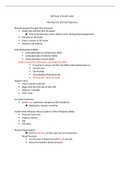
Holistic Nursing Process Map – Mara Burroughs
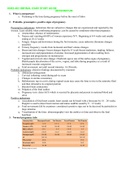
Gestational Diabetes
Pathophysiology = RT Risks for Developing Nursing Diagnosis
Gestational diabetes is a diabetic pregnancy
complication that can start around the Obesity Deficient knowledge r/t new diagnosis of
second trimester of pregnancy. During this gestational diabetes as evidence by
time, the placenta produces a variety of Family history of diabetes patient’s verbalization of, “I want to know
hormones to maintain the pregnancy such more about my new diagnosis.”
as estrogen and cortisol. These hormones Age: women older than 25 are at higher risk
can have a blocking effect on the insulin
produced by your pancreas. During time, as Impaired nutrition: less than body
your placenta grows, the hormones increase Race: Women who are African-American, requirements r/t decreased insulin
and your pancreas is then unable to American Indian, Asian American, Hispanic or production and glucose uptake in cells as
produce enough insulin to combat the Latino, or Pacific Islander have higher risk evidence by elevated blood sugars.
increased sugar. After giving birth, your
hormones decrease, and your sugars
should return to normal, therefore Diagnosing Risk for overweight fetus r/t excessive
gestational diabetes only occurs while glucose uptake
pregnant and resolves after giving birth. Disease Process
(Ackley et al., 2021)
Diagnostics Medications
Assessment
Usually done between 24-28 Type 1: Diet (carb
Planning
Signs & Symptoms = AEB
weeks of pregnancy through controlled) and Exercise
Overweight or obesity GDM testing.
Nursing Intervention
Polyuria: Increased urine output Monitor blood sugars
GTT- glucose tolerance test. Daily glucose monitoring
Polydipsia: Increased thirst Insulin: Regular, NPH,
Aspart, Lantus (depends on Insulin as ordered
Polyphagia: increased appetite/ eats md orders)
excessive amounts of food Educate client on s/s of hyperglycemia
Education/Spiritual Needs: Refers to the “Art” of Assess and record dietary patterns via
24 hour recall
Nursing
Keep an open-ended conversation to help client feel comfortable Weight client at every prenatal visit.
enough to ask questions regarding diagnosis.
Encourage client to join a “soon to be mom” group to help with the
changes of pregnancy and to help find support from other soon to
Gestational Diabetes
Pathophysiology = RT Risks for Developing Nursing Diagnosis
Gestational diabetes is a diabetic pregnancy
complication that can start around the Obesity Deficient knowledge r/t new diagnosis of
second trimester of pregnancy. During this gestational diabetes as evidence by
time, the placenta produces a variety of Family history of diabetes patient’s verbalization of, “I want to know
hormones to maintain the pregnancy such more about my new diagnosis.”
as estrogen and cortisol. These hormones Age: women older than 25 are at higher risk
can have a blocking effect on the insulin
produced by your pancreas. During time, as Impaired nutrition: less than body
your placenta grows, the hormones increase Race: Women who are African-American, requirements r/t decreased insulin
and your pancreas is then unable to American Indian, Asian American, Hispanic or production and glucose uptake in cells as
produce enough insulin to combat the Latino, or Pacific Islander have higher risk evidence by elevated blood sugars.
increased sugar. After giving birth, your
hormones decrease, and your sugars
should return to normal, therefore Diagnosing Risk for overweight fetus r/t excessive
gestational diabetes only occurs while glucose uptake
pregnant and resolves after giving birth. Disease Process
(Ackley et al., 2021)
Diagnostics Medications
Assessment
Usually done between 24-28 Type 1: Diet (carb
Planning
Signs & Symptoms = AEB
weeks of pregnancy through controlled) and Exercise
Overweight or obesity GDM testing.
Nursing Intervention
Polyuria: Increased urine output Monitor blood sugars
GTT- glucose tolerance test. Daily glucose monitoring
Polydipsia: Increased thirst Insulin: Regular, NPH,
Aspart, Lantus (depends on Insulin as ordered
Polyphagia: increased appetite/ eats md orders)
excessive amounts of food Educate client on s/s of hyperglycemia
Education/Spiritual Needs: Refers to the “Art” of Assess and record dietary patterns via
24 hour recall
Nursing
Keep an open-ended conversation to help client feel comfortable Weight client at every prenatal visit.
enough to ask questions regarding diagnosis.
Encourage client to join a “soon to be mom” group to help with the
changes of pregnancy and to help find support from other soon to