
x#
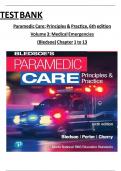
TEST BANK
x#
Paramedic Care: Principles & Practice, 6th edition
x# x# x# x# x# x#
Volume 3: Medical Emergencies
x# x# x#
(Bledsoe) Chapter 1 to 13
x# x# x# x#
,Volume 3: Medical Emergencies
x# x# x#
Table of contents:
x# x#
Chapter 1: Pulmonology
x# x #
Chapter 2: Cardiology
x# x#
Chapter 3: Neurology
x# x#
Chapter 4: Endocrinology
x# x#
Chapter 5: Immunology
x# x#
Chapter 6: Gastroenterology
x# x#
Chapter 7: Urology and Nephrology
x# x# x# x#
Chapter 8: Toxicology and Substance Abuse
x# x# x# x# x#
Chapter 9: Hematology
x# x#
Chapter 10: Infectious Diseases and Sepsis
x# x# x# x# x#
Chapter 11: Psychiatric and Behavioral Disorders
x# x# x# x# x#
Chapter 12: Diseases of the Eyes, Ears, Nose, and Throat
x# x# x# x# x# x# x# x# x#
Chapter 13: Nontraumatic Musculoskeletal Disorders
x# x# x# x#
,x#
Volume 3: Medical Emergencies
x# x# x#
Chapter 1: Pulmonologyx# x #
1) Which of the following is the most important intrinsic risk factor for respiratory disease
x# x# x# x# x# x# x# x# x# x# x# x# x# x#
A)? Environment
x#
B) Smoking
x#
C) Sedentary lifestyle
x# x#
D) Family history
x# x#
Answer: D x #
Diff: 1x# Page Ref: 3
x # x# x#
Standard: Medicine (Respiratory)
x # x#
Objective: 2 x #
2) Air entering and leaving the lungs via inspiration and expiration is known as:
x# x# x# x# x# x# x# x# x# x# x# x# x#
A) ventilation.
x#
B) respirations.
x#
C) perfusion.
x#
D) oxygenation.
x#
Answer: A x #
Diff: 1x# Page Ref: 8
x # x# x#
Standard: Medicine (Respiratory)
x # x#
Objective: 1, 3 x # x#
3) The diaphragm is controlled by the
x# x# x# x# x# x# nerve.
A) vagus
x#
B) olfactory
x#
C) abducens
x#
D) phrenic
x#
Answer: D x #
Diff: 1x# Page Ref: 7-8
x # x# x#
Standard: Medicine (Respiratory)
x # x#
Objective: 3, 4 x # x#
4) An example of diffusion in the respiratory system is movement of:
x# x# x# x# x# x# x# x# x# x# x#
A) oxygen from the alveoli into the pulmonary capillaries.
x# x# x# x# x# x# x# x#
B) air from the outside environment into the lungs.
x# x# x# x# x# x# x# x#
C) oxygen from the tissues into the systemic capillaries.
x# x# x# x# x# x# x# x#
D) carbon dioxide from the alveoli into the pulmonary capillaries.
x# x# x# x# x# x# x# x# x#
Answer: A x #
Diff: 2x# Page Ref: 11
x # x# x#
Standard: Medicine (Respiratory)
x # x#
Objective: 1, 4 x # x#
,x#
5) Airway resistance is increased by:
x# x# x# x# x#
A) sympathetic nervous system stimulation.
x# x# x# x#
B) decreased elasticity of the chest wall.
x# x# x# x# x# x#
C) anticholinergic drugs.
x# x#
D) bronchospasm.
x#
Answer: D x #
Diff: 2x# Page Ref: 9
x # x# x#
Standard: Medicine (Respiratory)
x # x#
Objective: 4 x #
6) Which of the following patients are at risk for the most common cause of upper airw
x# x# x# x# x# x# x# x# x# x# x# x# x# x# x# x#
ay
obstruction?
A) 4-year-old male with croup
x# x# x# x#
B) 21-year-old female unconscious and supine on the floor
x# x# x# x# x# x# x# x#
C) 22-year-old female stung by a wasp
x# x# x# x# x# x#
D) 5-year-old female with epiglottitis
x# x# x# x#
Answer: B x#
Diff: 2x# Page Ref: 25
x # x# x#
Standard: Medicine (Respiratory)
x # x#
Objective: 7 x #
7) Normal tidal volume in an average 70 kg adult is approximately
x# x# x# x# x# x# x# x# x# x# x# e.
A) 1,500
x#
B) 1,000
x#
C) 750
x#
D) 500
x#
Answer: D x #
Diff: 1x# Page Ref: 9
x # x# x#
Standard: Medicine (Respiratory)
x # x#
Objective: 4 x #
8) After a normal inspiration and expiration, an adult patient has about 2,400 mL of a
x# x# x# x# x# x# x# x# x# x# x# x# x# x# x#
ir
remaining in the lungs, known as the:
x# x# x# x# x# x#
A) expiratory reserve volume.
x# x# x#
B) residual volume.
x# x#
C) functional residual capacity.
x# x# x#
D) vital capacity.
x# x#
Answer: C x #
Diff: 1x# Page Ref: 9
x # x# x#
Standard: Medicine (Respiratory)
x # x#
Objective: 4 x #
TEST BANK
x#
Paramedic Care: Principles & Practice, 6th edition
x# x# x# x# x# x#
Volume 3: Medical Emergencies
x# x# x#
(Bledsoe) Chapter 1 to 13
x# x# x# x#
,Volume 3: Medical Emergencies
x# x# x#
Table of contents:
x# x#
Chapter 1: Pulmonology
x# x #
Chapter 2: Cardiology
x# x#
Chapter 3: Neurology
x# x#
Chapter 4: Endocrinology
x# x#
Chapter 5: Immunology
x# x#
Chapter 6: Gastroenterology
x# x#
Chapter 7: Urology and Nephrology
x# x# x# x#
Chapter 8: Toxicology and Substance Abuse
x# x# x# x# x#
Chapter 9: Hematology
x# x#
Chapter 10: Infectious Diseases and Sepsis
x# x# x# x# x#
Chapter 11: Psychiatric and Behavioral Disorders
x# x# x# x# x#
Chapter 12: Diseases of the Eyes, Ears, Nose, and Throat
x# x# x# x# x# x# x# x# x#
Chapter 13: Nontraumatic Musculoskeletal Disorders
x# x# x# x#
,x#
Volume 3: Medical Emergencies
x# x# x#
Chapter 1: Pulmonologyx# x #
1) Which of the following is the most important intrinsic risk factor for respiratory disease
x# x# x# x# x# x# x# x# x# x# x# x# x# x#
A)? Environment
x#
B) Smoking
x#
C) Sedentary lifestyle
x# x#
D) Family history
x# x#
Answer: D x #
Diff: 1x# Page Ref: 3
x # x# x#
Standard: Medicine (Respiratory)
x # x#
Objective: 2 x #
2) Air entering and leaving the lungs via inspiration and expiration is known as:
x# x# x# x# x# x# x# x# x# x# x# x# x#
A) ventilation.
x#
B) respirations.
x#
C) perfusion.
x#
D) oxygenation.
x#
Answer: A x #
Diff: 1x# Page Ref: 8
x # x# x#
Standard: Medicine (Respiratory)
x # x#
Objective: 1, 3 x # x#
3) The diaphragm is controlled by the
x# x# x# x# x# x# nerve.
A) vagus
x#
B) olfactory
x#
C) abducens
x#
D) phrenic
x#
Answer: D x #
Diff: 1x# Page Ref: 7-8
x # x# x#
Standard: Medicine (Respiratory)
x # x#
Objective: 3, 4 x # x#
4) An example of diffusion in the respiratory system is movement of:
x# x# x# x# x# x# x# x# x# x# x#
A) oxygen from the alveoli into the pulmonary capillaries.
x# x# x# x# x# x# x# x#
B) air from the outside environment into the lungs.
x# x# x# x# x# x# x# x#
C) oxygen from the tissues into the systemic capillaries.
x# x# x# x# x# x# x# x#
D) carbon dioxide from the alveoli into the pulmonary capillaries.
x# x# x# x# x# x# x# x# x#
Answer: A x #
Diff: 2x# Page Ref: 11
x # x# x#
Standard: Medicine (Respiratory)
x # x#
Objective: 1, 4 x # x#
,x#
5) Airway resistance is increased by:
x# x# x# x# x#
A) sympathetic nervous system stimulation.
x# x# x# x#
B) decreased elasticity of the chest wall.
x# x# x# x# x# x#
C) anticholinergic drugs.
x# x#
D) bronchospasm.
x#
Answer: D x #
Diff: 2x# Page Ref: 9
x # x# x#
Standard: Medicine (Respiratory)
x # x#
Objective: 4 x #
6) Which of the following patients are at risk for the most common cause of upper airw
x# x# x# x# x# x# x# x# x# x# x# x# x# x# x# x#
ay
obstruction?
A) 4-year-old male with croup
x# x# x# x#
B) 21-year-old female unconscious and supine on the floor
x# x# x# x# x# x# x# x#
C) 22-year-old female stung by a wasp
x# x# x# x# x# x#
D) 5-year-old female with epiglottitis
x# x# x# x#
Answer: B x#
Diff: 2x# Page Ref: 25
x # x# x#
Standard: Medicine (Respiratory)
x # x#
Objective: 7 x #
7) Normal tidal volume in an average 70 kg adult is approximately
x# x# x# x# x# x# x# x# x# x# x# e.
A) 1,500
x#
B) 1,000
x#
C) 750
x#
D) 500
x#
Answer: D x #
Diff: 1x# Page Ref: 9
x # x# x#
Standard: Medicine (Respiratory)
x # x#
Objective: 4 x #
8) After a normal inspiration and expiration, an adult patient has about 2,400 mL of a
x# x# x# x# x# x# x# x# x# x# x# x# x# x# x#
ir
remaining in the lungs, known as the:
x# x# x# x# x# x#
A) expiratory reserve volume.
x# x# x#
B) residual volume.
x# x#
C) functional residual capacity.
x# x# x#
D) vital capacity.
x# x#
Answer: C x #
Diff: 1x# Page Ref: 9
x # x# x#
Standard: Medicine (Respiratory)
x # x#
Objective: 4 x #


