Week 1 Golden Tapestry Unit 1 | 1200-1450 CE
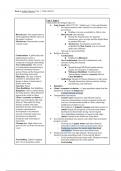
Unit 1, Topic 1
China before the Mongol Takeover
● Song dynasty (960-1279 CE): “Golden age” of arts and literature
○ Six major ministries and Censorate for surveillance over
government
■ Holding everyone accountable to follow rules
Bureaucracy: Vast organization in ○ Bureaucratic state structure
which appointed officials carry out ■ During the Song Dynasty, the imperial
the empire’s policies bureaucracy grew in scope and thus helped them
Meritocracy: Bureaucratic system to maintain their rule
of merit exams ■ Meritocracy: Examination system first
established by Han dynasty was revived and
made more elaborate
○ Allowed for upward mobility
● Religious diversity
Confucianism: A philosophy that ○ Confucianism
taught human society is ■ Emphasized filial piety
hierarchical by nature; Society was ○ Neo-Confucianism: Revived Confucianism, with
composed of unequal relationships elements suiting their dynasty
Neo-Confucianism: The revival ○ Buddhism
of Confucianism demonstrating a ■ Spread through Silk Road; popular among
historical continuity between people, but resisted by Confucianists
ancient China and the Song period, ■ Mahayana Buddhism: Combined with
also illustrating innovation Taoism/Daoist traditions; Syncretic faith of
Filial piety: The duty of family Chan Buddhism
members to subordinate their ○ Sinification: Spread of Chinese influences to other areas
desires to those of male head of ■ Through interactions between nations, trading
family and to ruler and bartering, and Silk Road
Syncretic: Fused ● Hangzhou
Chan Buddhism: Zen Buddhism ● China’s economic revolution → Large population jump from the
Hangzhou: China’s capital during adoption of Vietnam’s Champa rice
the Song dynasty; Most urbanized ○ Commercializing economy
region in the world in China ● Transportation innovations
China’s economic revolution: A ○ Grand Canal: Inexpensive and efficient internal
major rise in prosperity that took waterway transportation system to transport goods and
place in China under the Song services; Increased trade/wealth in China, connecting
dynasty, marked with rapid middle part of empire to city
population growth, urbanization, ○ Development of magnetic compass and improvement of
economic specialization, rudder helped aid navigation on the water and further
development of an immense facilitated sea-based trade among various regions
network of internal waterways, ○ New shipbuilding techniques of massive trade ships
and increase in industrial (junks), similar to the Southwest Asian dhow
production and technological ● Government demanded taxes paid in cash rather than in peasants’
innovation. products or labor
Champa rice: High caloric rice; ○ Growing use of paper money and other financial
grows in dry soil with two harvests instruments (letters of credit and promissory notes)
a year ○ Production was more for market rather than local
consumption; Peasants grew specialized crops
● Female and male life were kept separate. Women lost more
lucrative income-generating work of weaving silk fabrics.
○ Textile production became large-scale; Displaced women
Foot binding: Tightly wrapping from their traditional role in the industry
girls’ feet to keep them small, ○ Foot binding
, Week 1 Golden Tapestry Unit 1 | 1200-1450 CE
prevalent in Song dynasty and ■ Associated with new images of female beauty
later; an emphasis on small size and eroticism
and delicacy was central to views ■ Status of elite
of female beauty. ■ Restricted women to “inner quarters”
■ Opportunities for education and property rights
Proto-industrialization: Set of ● Raised sons more effectively
economic changes in which people ● Proto-industrialization
in rural areas made more goods ○ Metallurgy industry increased; Iron/steel production
than they could sell contributed to stronger farming tools
○ Discovery of coal, utilization of best navigation and
shipbuilding technology, inventions of print (paper,
woodblock, and moveable type) and gunpowder
Artisans: Skilled craft workers (weaponry and fireworks)
○ More artisans, less laborers/farmers
● Kowtow: Ritual in which anyone greeting the Chinese emperor
must bow his or her head until it reached the floor
○ Emperor expected representatives from tributary states to
Scholar gentry: A new social demonstrate respect by performing kowtow
class upon bureaucratic expansion ● Class structure of a scholar gentry based on passing exams of
of merit exams Confucian texts, from the meritocracy
○ Provided some social mobility; hierarchical structure
○ Proliferation of schools and colleges
○ Large share of official positions to sons of the lite
Interacting with China: Korea, Vietnam, and Japan
● Korea and Vietnam remained distinctive identities
○ Resisted Chinese political domination, but appreciated
and adopted elements of Chinese culture
● Tributary relationship (Korea and Vietnam), achieved political
independence
● China returned with bestowals, reaffirming peaceful relations
● Chinese influence on political and cultural life, such as Confucian
values, Daoism, Buddhism, administrative techniques, bureaucracy
(examination system)
● Korea
○ Similar civil service examination system (never assumed
prominence)
■ Korea’s aristocratic class maintained stronger
monopoly on bureaucratic office than Chinese
○ Adoption of many Confucian principles which organized
family structures
○ Negative impact on Korean women; Replaced flexible
Korean patterns with concept of filial piety
Hangul: A phonetic alphabet ○ Restrictions came to exceed even those in China itself
developed in Korea in the fifteenth ○ Hangul
century in a move toward greater ● Vietnam
cultural independence from China ○ Cultural heartland fully incorporated into Chinese state
○ Styling rulers as emperors, claiming Mandate of Heaven,
making use of Chinese court rituals
○ Similar civil service examination system (undermine
established aristocracy) and to create merit-based scholar
gentry class
○ Adoption of Confucianism and Buddhism, as well as
other Chinese literary techniques
Unit 1, Topic 1
China before the Mongol Takeover
● Song dynasty (960-1279 CE): “Golden age” of arts and literature
○ Six major ministries and Censorate for surveillance over
government
■ Holding everyone accountable to follow rules
Bureaucracy: Vast organization in ○ Bureaucratic state structure
which appointed officials carry out ■ During the Song Dynasty, the imperial
the empire’s policies bureaucracy grew in scope and thus helped them
Meritocracy: Bureaucratic system to maintain their rule
of merit exams ■ Meritocracy: Examination system first
established by Han dynasty was revived and
made more elaborate
○ Allowed for upward mobility
● Religious diversity
Confucianism: A philosophy that ○ Confucianism
taught human society is ■ Emphasized filial piety
hierarchical by nature; Society was ○ Neo-Confucianism: Revived Confucianism, with
composed of unequal relationships elements suiting their dynasty
Neo-Confucianism: The revival ○ Buddhism
of Confucianism demonstrating a ■ Spread through Silk Road; popular among
historical continuity between people, but resisted by Confucianists
ancient China and the Song period, ■ Mahayana Buddhism: Combined with
also illustrating innovation Taoism/Daoist traditions; Syncretic faith of
Filial piety: The duty of family Chan Buddhism
members to subordinate their ○ Sinification: Spread of Chinese influences to other areas
desires to those of male head of ■ Through interactions between nations, trading
family and to ruler and bartering, and Silk Road
Syncretic: Fused ● Hangzhou
Chan Buddhism: Zen Buddhism ● China’s economic revolution → Large population jump from the
Hangzhou: China’s capital during adoption of Vietnam’s Champa rice
the Song dynasty; Most urbanized ○ Commercializing economy
region in the world in China ● Transportation innovations
China’s economic revolution: A ○ Grand Canal: Inexpensive and efficient internal
major rise in prosperity that took waterway transportation system to transport goods and
place in China under the Song services; Increased trade/wealth in China, connecting
dynasty, marked with rapid middle part of empire to city
population growth, urbanization, ○ Development of magnetic compass and improvement of
economic specialization, rudder helped aid navigation on the water and further
development of an immense facilitated sea-based trade among various regions
network of internal waterways, ○ New shipbuilding techniques of massive trade ships
and increase in industrial (junks), similar to the Southwest Asian dhow
production and technological ● Government demanded taxes paid in cash rather than in peasants’
innovation. products or labor
Champa rice: High caloric rice; ○ Growing use of paper money and other financial
grows in dry soil with two harvests instruments (letters of credit and promissory notes)
a year ○ Production was more for market rather than local
consumption; Peasants grew specialized crops
● Female and male life were kept separate. Women lost more
lucrative income-generating work of weaving silk fabrics.
○ Textile production became large-scale; Displaced women
Foot binding: Tightly wrapping from their traditional role in the industry
girls’ feet to keep them small, ○ Foot binding
, Week 1 Golden Tapestry Unit 1 | 1200-1450 CE
prevalent in Song dynasty and ■ Associated with new images of female beauty
later; an emphasis on small size and eroticism
and delicacy was central to views ■ Status of elite
of female beauty. ■ Restricted women to “inner quarters”
■ Opportunities for education and property rights
Proto-industrialization: Set of ● Raised sons more effectively
economic changes in which people ● Proto-industrialization
in rural areas made more goods ○ Metallurgy industry increased; Iron/steel production
than they could sell contributed to stronger farming tools
○ Discovery of coal, utilization of best navigation and
shipbuilding technology, inventions of print (paper,
woodblock, and moveable type) and gunpowder
Artisans: Skilled craft workers (weaponry and fireworks)
○ More artisans, less laborers/farmers
● Kowtow: Ritual in which anyone greeting the Chinese emperor
must bow his or her head until it reached the floor
○ Emperor expected representatives from tributary states to
Scholar gentry: A new social demonstrate respect by performing kowtow
class upon bureaucratic expansion ● Class structure of a scholar gentry based on passing exams of
of merit exams Confucian texts, from the meritocracy
○ Provided some social mobility; hierarchical structure
○ Proliferation of schools and colleges
○ Large share of official positions to sons of the lite
Interacting with China: Korea, Vietnam, and Japan
● Korea and Vietnam remained distinctive identities
○ Resisted Chinese political domination, but appreciated
and adopted elements of Chinese culture
● Tributary relationship (Korea and Vietnam), achieved political
independence
● China returned with bestowals, reaffirming peaceful relations
● Chinese influence on political and cultural life, such as Confucian
values, Daoism, Buddhism, administrative techniques, bureaucracy
(examination system)
● Korea
○ Similar civil service examination system (never assumed
prominence)
■ Korea’s aristocratic class maintained stronger
monopoly on bureaucratic office than Chinese
○ Adoption of many Confucian principles which organized
family structures
○ Negative impact on Korean women; Replaced flexible
Korean patterns with concept of filial piety
Hangul: A phonetic alphabet ○ Restrictions came to exceed even those in China itself
developed in Korea in the fifteenth ○ Hangul
century in a move toward greater ● Vietnam
cultural independence from China ○ Cultural heartland fully incorporated into Chinese state
○ Styling rulers as emperors, claiming Mandate of Heaven,
making use of Chinese court rituals
○ Similar civil service examination system (undermine
established aristocracy) and to create merit-based scholar
gentry class
○ Adoption of Confucianism and Buddhism, as well as
other Chinese literary techniques