Week 3 Cold War and Decolonization Unit 8 | 1900-2001 CE
Unit 8, Topic 1
Two Superpowers Arise
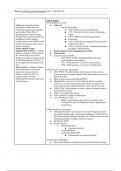
Cold war: Geopolitical and ● Cold war
ideological conflict between ○ Nuclear Arms Race
communist regimes and capitalist ■ 1949: USSR tests first atomic bomb
powers after World War II, ■ 1952: US tests first fusion bomb—Hydrogen
spreading from Eastern Europe bomb
through Asia; Characterized by the ■ 1953: USSR tests first hydrogen bomb
avoidance of direct military ■ Deterrence
conflict between the USSR and the ■ 1957: USSR launches Sputnik, first man-made
United States and an arms race in satellite, into space
nuclear weapons. ■ 1958: US creates NASA—National Aeronautics
North Atlantic Treaty and Space Administration
Organization (NATO): A military ● North Atlantic Treaty Organization (NATO)
alliance, created in 1949, between ● Warsaw Pact
the United States and various ● Eastern Europe & USSR
European countries; Largely aimed ○ After WWII: USSR established buffer states and
at defending against the threat of controlled them with military.
Soviet aggression during the cold ○ 1953: USSR put down a revolt in East Germany
war. ○ 1968: USSR put down a revolt in Czechoslovakia
Warsaw Pact: A military alliance
between the Soviet Union and North America: Economic Advantages
communist states in Eastern ● After WWII: US suffers from a brief recession, then enjoys an
Europe, created in 1955 as a economic boom as it helps rebuild Allies and enemies in post-war
counterweight to NATO; Europe and Asia
Expressed the tensions of the cold ● Many women took up jobs during WWII
war in Europe. ● Marshall Plan: US sent over $13 billion in aid for economic
recovery in war torn nations and on the whole, the nations that
received those funds experienced their own economic revivals.
● 1950s-1970s: Great changes in society, efforts to expand rights to
more people in society
● 1960s: Civil Rights Movement
● 1970s: Women’s Liberation Movement
● Late 1960s-Early 1970s:
○ Hippie counterculture movement in response to the
Vietnam War, the Civil Rights movement, among other
social issues.
USSR: Economic Advantages
● Although that kind of command economy drew skepticism from
free market minded folks, in the years leading up to World War II,
the Soviet economy did grow rapidly, even if that growth led to the
suffering and death of millions of Soviet citizens.
● Hit hard by WWII
● Soviet Economy
○ Natural Resources
■ Enormous territory
○ Large population
○ Investment Before WII
■ Infrastructure was already in place
Technological Advantages
● The United States developed the most advanced and devastating
, Week 3 Cold War and Decolonization Unit 8 | 1900-2001 CE
technology of the war, namely the atomic bomb.
● Resulted in the Arms Race
Decolonization
Decolonization: Process in which ● Decolonization
many African and Asian states ● Colonial troops fought for their imperial parents’ cause, but this
won their independence from time, after the war was over and there appeared to be no clear
Western colonial rule, in most intention of the imperial countries to grant independence to their
cases by negotiated settlement and colonies, massive anti-imperial movements broke out across the
in some cases through violent world.
military confrontations.
Unit 8, Topic 2
Causes of the Cold War
● Conflicting Ideologies
○ Democratic Capitalism of the United States
■ Emphasizes free market economics and political
participation from citizens
○ Authoritarian Communism of the Soviet Union
■ Emphasizes strict government control of the
economy and redistribution of wealth equally to
all citizens who have no voice in the
government.
○ Both ideologies are universalizing ideas, meaning that
those who hold them want everyone else to hold them.
● Mutual Mistrust
○ Started even before WWII had ended
Effects of the Cold War
● As the process of decolonization was creating dozens of brand new
states across the world, the US and the Soviet Union raced to
influence each of these new states and win them to their respective
sides.
● Some groups and individuals in these newly forming states refused
to be pawns in this global conflict which in many ways would
make them dependent on more powerful nations.
● Non-Aligned Movement
○ By feigning support for one side or the other, some
non-aligned states were able to gain weapons and
resources that they needed for their own defense and
development.
Unit 8, Topic 3
New Military Alliances
● Communist Bloc
○ Installed communist governments
○ Serve the Soviet Union
● North Atlantic Treaty Organization (NATO)
● Warsaw Pact
Nuclear Standoff and Third-World Rivalry
● Conflicts in Africa
○ 1960s-1980s: US and USSR supported many movements
and dictators in Africa who supported their interests
○ Often happened in former colonies which had recently
Unit 8, Topic 1
Two Superpowers Arise
Cold war: Geopolitical and ● Cold war
ideological conflict between ○ Nuclear Arms Race
communist regimes and capitalist ■ 1949: USSR tests first atomic bomb
powers after World War II, ■ 1952: US tests first fusion bomb—Hydrogen
spreading from Eastern Europe bomb
through Asia; Characterized by the ■ 1953: USSR tests first hydrogen bomb
avoidance of direct military ■ Deterrence
conflict between the USSR and the ■ 1957: USSR launches Sputnik, first man-made
United States and an arms race in satellite, into space
nuclear weapons. ■ 1958: US creates NASA—National Aeronautics
North Atlantic Treaty and Space Administration
Organization (NATO): A military ● North Atlantic Treaty Organization (NATO)
alliance, created in 1949, between ● Warsaw Pact
the United States and various ● Eastern Europe & USSR
European countries; Largely aimed ○ After WWII: USSR established buffer states and
at defending against the threat of controlled them with military.
Soviet aggression during the cold ○ 1953: USSR put down a revolt in East Germany
war. ○ 1968: USSR put down a revolt in Czechoslovakia
Warsaw Pact: A military alliance
between the Soviet Union and North America: Economic Advantages
communist states in Eastern ● After WWII: US suffers from a brief recession, then enjoys an
Europe, created in 1955 as a economic boom as it helps rebuild Allies and enemies in post-war
counterweight to NATO; Europe and Asia
Expressed the tensions of the cold ● Many women took up jobs during WWII
war in Europe. ● Marshall Plan: US sent over $13 billion in aid for economic
recovery in war torn nations and on the whole, the nations that
received those funds experienced their own economic revivals.
● 1950s-1970s: Great changes in society, efforts to expand rights to
more people in society
● 1960s: Civil Rights Movement
● 1970s: Women’s Liberation Movement
● Late 1960s-Early 1970s:
○ Hippie counterculture movement in response to the
Vietnam War, the Civil Rights movement, among other
social issues.
USSR: Economic Advantages
● Although that kind of command economy drew skepticism from
free market minded folks, in the years leading up to World War II,
the Soviet economy did grow rapidly, even if that growth led to the
suffering and death of millions of Soviet citizens.
● Hit hard by WWII
● Soviet Economy
○ Natural Resources
■ Enormous territory
○ Large population
○ Investment Before WII
■ Infrastructure was already in place
Technological Advantages
● The United States developed the most advanced and devastating
, Week 3 Cold War and Decolonization Unit 8 | 1900-2001 CE
technology of the war, namely the atomic bomb.
● Resulted in the Arms Race
Decolonization
Decolonization: Process in which ● Decolonization
many African and Asian states ● Colonial troops fought for their imperial parents’ cause, but this
won their independence from time, after the war was over and there appeared to be no clear
Western colonial rule, in most intention of the imperial countries to grant independence to their
cases by negotiated settlement and colonies, massive anti-imperial movements broke out across the
in some cases through violent world.
military confrontations.
Unit 8, Topic 2
Causes of the Cold War
● Conflicting Ideologies
○ Democratic Capitalism of the United States
■ Emphasizes free market economics and political
participation from citizens
○ Authoritarian Communism of the Soviet Union
■ Emphasizes strict government control of the
economy and redistribution of wealth equally to
all citizens who have no voice in the
government.
○ Both ideologies are universalizing ideas, meaning that
those who hold them want everyone else to hold them.
● Mutual Mistrust
○ Started even before WWII had ended
Effects of the Cold War
● As the process of decolonization was creating dozens of brand new
states across the world, the US and the Soviet Union raced to
influence each of these new states and win them to their respective
sides.
● Some groups and individuals in these newly forming states refused
to be pawns in this global conflict which in many ways would
make them dependent on more powerful nations.
● Non-Aligned Movement
○ By feigning support for one side or the other, some
non-aligned states were able to gain weapons and
resources that they needed for their own defense and
development.
Unit 8, Topic 3
New Military Alliances
● Communist Bloc
○ Installed communist governments
○ Serve the Soviet Union
● North Atlantic Treaty Organization (NATO)
● Warsaw Pact
Nuclear Standoff and Third-World Rivalry
● Conflicts in Africa
○ 1960s-1980s: US and USSR supported many movements
and dictators in Africa who supported their interests
○ Often happened in former colonies which had recently