Kayla Humphries
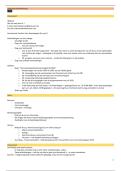
Chapter 1 – Business Environments
The Macro Environment
• Form part of the external environment.
• Business has no control over events in external environment.
• Needs to consider events and design strategies to adapt to
situations in external environment.
• Remember internal env. may impact external env.
o In a strike, 1/more businesses may have effect on economy.
o Employing/retrenching workers contributes to [un]employment.
o Way business operates influences physical env.
Tools used to analyse events in macro env. in order to:
• Determine how business can eliminate any threats.
• Capitalise on opportunities to achieve comp. advantage.
COMP ADVANTAGE = DESCRIBES HOW BUSINESS HAS THE EDGE IN THE
MARKET OR OVER COMPETITORS.
Tools to analyse macro env:
• Environmental scan
• SWOT-analysis
• PESTLE or PE2STLE analysis
ENVIRONMENTAL SCAN:
Important to identify factors that impact the business and adjust strategies
accordingly.
Following process is applied:
- Business scans macro env. to identify issues that need addressing.
- Opportunities and threats considered.
- PE2STLE identifies specific O & T.
Purpose:
- Identify possible challenges/opportunities in changing environment
- Gain understanding, nature of changes, and pace.
o Crisis – quick unexpected, bus didn’t anticipate, probably no
contingency plan.
, Kayla Humphries
o Trend – Occur over period, forewarned to adapt strategies to
deal w change.
- Management – use info to dev strategies – respond quickly to ^
- Help management understand impact of decisions on comp position
and sustainability
SWOT-ANALYSIS (ONLY O AND T):
Identifying all opportunities and threats that may impact the business.
PE2STLE-ANALYSIS:
Each letter describes potential threats/opportunities (strengthen comp.
advantage) for the business.
Political Technological
Economic Legal
Ethical Environmental
Social
Political factors:
In relation to:
- Local political situation of country bus. operates in.
- Political situation of other countries bus. operates in.
- World politics in general.
Following aspects should be considered:
- Likelihood of government interference.
- Degree of political stability/unrest.
- Political ties with other countries.
- Degree of media freedom/freedom of speech.
- Attitude of political parties.
- Process followed when government tenders are allocated.
- Fiscal policies.
Chapter 1 – Business Environments
The Macro Environment
• Form part of the external environment.
• Business has no control over events in external environment.
• Needs to consider events and design strategies to adapt to
situations in external environment.
• Remember internal env. may impact external env.
o In a strike, 1/more businesses may have effect on economy.
o Employing/retrenching workers contributes to [un]employment.
o Way business operates influences physical env.
Tools used to analyse events in macro env. in order to:
• Determine how business can eliminate any threats.
• Capitalise on opportunities to achieve comp. advantage.
COMP ADVANTAGE = DESCRIBES HOW BUSINESS HAS THE EDGE IN THE
MARKET OR OVER COMPETITORS.
Tools to analyse macro env:
• Environmental scan
• SWOT-analysis
• PESTLE or PE2STLE analysis
ENVIRONMENTAL SCAN:
Important to identify factors that impact the business and adjust strategies
accordingly.
Following process is applied:
- Business scans macro env. to identify issues that need addressing.
- Opportunities and threats considered.
- PE2STLE identifies specific O & T.
Purpose:
- Identify possible challenges/opportunities in changing environment
- Gain understanding, nature of changes, and pace.
o Crisis – quick unexpected, bus didn’t anticipate, probably no
contingency plan.
, Kayla Humphries
o Trend – Occur over period, forewarned to adapt strategies to
deal w change.
- Management – use info to dev strategies – respond quickly to ^
- Help management understand impact of decisions on comp position
and sustainability
SWOT-ANALYSIS (ONLY O AND T):
Identifying all opportunities and threats that may impact the business.
PE2STLE-ANALYSIS:
Each letter describes potential threats/opportunities (strengthen comp.
advantage) for the business.
Political Technological
Economic Legal
Ethical Environmental
Social
Political factors:
In relation to:
- Local political situation of country bus. operates in.
- Political situation of other countries bus. operates in.
- World politics in general.
Following aspects should be considered:
- Likelihood of government interference.
- Degree of political stability/unrest.
- Political ties with other countries.
- Degree of media freedom/freedom of speech.
- Attitude of political parties.
- Process followed when government tenders are allocated.
- Fiscal policies.