UNIT 4
P4”An explanation of the important concepts associated with forces and loads acting on structural
members including what affects they have on the structure, how stresses alter the shape of loaded
members and how excessive stresses may lead to failure”
Loads
All buildings have many different components that work together to ensure the structure is sound.
There are many different forces that act on a structure which must be taken into careful
consideration when designing it.
Dead Loads
Dead loads are loads that don’t change in weight
over time. Building components such as beams,
columns, glass and other components such as
HVAC systems, plumbing are all examples of
dead loads. Dead loads are often an inanimate
objects and therefore have no life in them.
http://www.civilsimplified.com/resources/what-
is-dead-load
Imposed loads
Live loads, dynamic loads are other terms for
imposed loads. They can range from anything from
people to water storage units were there weight
can vary. The live loading on floors will be
increased if there is more people or furniture on it
or the more cars on a bridge. Live loads are
challenging to calculate for structural engineers
due to the safety factors of their force levels having
to be considered.
https://www.istructe.org/journal/volumes/volume-90/issues/issue-2/articles/derivation-of-
imposed-loads
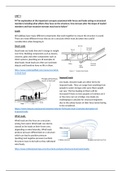
Wind Loads
Wind loads are the force on a structure
arising from wind. Wind loads can also be
classed as live loads as their forces vary
depending on wind intensity. Wind loads
produce pressure differentials on a structure
which can lead to positive pressure
(pushing) and negative pressure (suction).
Structures have to be built so they withstand
wind loads.
http://www.civilengineeringx.com/structural-analysis/structural-steel/wind-loads/
, Impact Loads
“In mechanics, an impact is a high force or shock applied
over a short time period when two or more bodies collide.”
An example of an impact load would be something being
dropped or people jumping. Their force is delivered upon
impact rather than gradually over time. Impact loads have
to be taken into careful consideration.
https://en.wikipedia.org/wiki/Impact_(mechanics)
Earthquake Loads
In areas of high seismic activity buildings must be designed and
constructed to withstand earthquakes. This is when the ground
beneath the structure shakes pushing and pulling the structure
horizontally. Shear walls, reinforced concrete and other
construction methods can resist seismic activity.
https://en.wikipedia.org/wiki/Seismic_loading
Snow Loads
Snow loads are categorised as live loads as is the same with
rain. They fall to rest on a structures roof which can put the roof
under excessive pressure and may lead to failure. Buildings are
designed to be strong enough and with roofs angled so to
prevent snow or rainwater settlement.
https://en.wikipedia.org/wiki/Snow#Roofs
When designing a building each of these load factors must be taken into consideration to abide by
planning laws and ensure it is fit for purpose and structurally sound. Some of these factors such as
earthquake, snow and wind loads must be considered even more so because all areas have various
climatic and geological properties. Chile for example has high levels of seismic activity and
earthquake loads are a priority when designing a building there. The Swiss Alps has high snow fall in
winter months so buildings are designed and constructed to withstand this. The western UK receives
strong winds so buildings there have to either be anchored or designed to withstand prevailing
weather conditions.
P4”An explanation of the important concepts associated with forces and loads acting on structural
members including what affects they have on the structure, how stresses alter the shape of loaded
members and how excessive stresses may lead to failure”
Loads
All buildings have many different components that work together to ensure the structure is sound.
There are many different forces that act on a structure which must be taken into careful
consideration when designing it.
Dead Loads
Dead loads are loads that don’t change in weight
over time. Building components such as beams,
columns, glass and other components such as
HVAC systems, plumbing are all examples of
dead loads. Dead loads are often an inanimate
objects and therefore have no life in them.
http://www.civilsimplified.com/resources/what-
is-dead-load
Imposed loads
Live loads, dynamic loads are other terms for
imposed loads. They can range from anything from
people to water storage units were there weight
can vary. The live loading on floors will be
increased if there is more people or furniture on it
or the more cars on a bridge. Live loads are
challenging to calculate for structural engineers
due to the safety factors of their force levels having
to be considered.
https://www.istructe.org/journal/volumes/volume-90/issues/issue-2/articles/derivation-of-
imposed-loads
Wind Loads
Wind loads are the force on a structure
arising from wind. Wind loads can also be
classed as live loads as their forces vary
depending on wind intensity. Wind loads
produce pressure differentials on a structure
which can lead to positive pressure
(pushing) and negative pressure (suction).
Structures have to be built so they withstand
wind loads.
http://www.civilengineeringx.com/structural-analysis/structural-steel/wind-loads/
, Impact Loads
“In mechanics, an impact is a high force or shock applied
over a short time period when two or more bodies collide.”
An example of an impact load would be something being
dropped or people jumping. Their force is delivered upon
impact rather than gradually over time. Impact loads have
to be taken into careful consideration.
https://en.wikipedia.org/wiki/Impact_(mechanics)
Earthquake Loads
In areas of high seismic activity buildings must be designed and
constructed to withstand earthquakes. This is when the ground
beneath the structure shakes pushing and pulling the structure
horizontally. Shear walls, reinforced concrete and other
construction methods can resist seismic activity.
https://en.wikipedia.org/wiki/Seismic_loading
Snow Loads
Snow loads are categorised as live loads as is the same with
rain. They fall to rest on a structures roof which can put the roof
under excessive pressure and may lead to failure. Buildings are
designed to be strong enough and with roofs angled so to
prevent snow or rainwater settlement.
https://en.wikipedia.org/wiki/Snow#Roofs
When designing a building each of these load factors must be taken into consideration to abide by
planning laws and ensure it is fit for purpose and structurally sound. Some of these factors such as
earthquake, snow and wind loads must be considered even more so because all areas have various
climatic and geological properties. Chile for example has high levels of seismic activity and
earthquake loads are a priority when designing a building there. The Swiss Alps has high snow fall in
winter months so buildings are designed and constructed to withstand this. The western UK receives
strong winds so buildings there have to either be anchored or designed to withstand prevailing
weather conditions.