, PLEASE USE THIS DOCUMENT AS A GUIDE TO ANSWER YOUR ASSIGNMENT
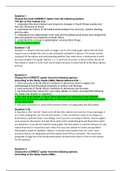
Question 1
1. The actions of an investigator at the crime scene are vitally important to maintain the value of
the physical evidence. At different crime scenes, investigators have certain duties to perform to
take control of the crime scene. Briefly discuss those duties.
At every crime scene, the investigator plays a central role in ensuring that the integrity and value of
physical evidence are preserved. The actions taken during the initial stages can significantly affect
the outcome of the investigation and any potential legal proceedings. Investigators must take control
of the scene by performing specific duties designed to prevent contamination, secure evidence, and
coordinate the investigative process effectively.
Initial Control and Assessment of the Scene
The investigator’s first duty is to carry out an initial assessment of the crime scene. This involves
evaluating the scene’s condition, identifying immediate threats to evidence, and determining whether
emergency situations, such as injured persons, require urgent attention. Providing or arranging
medical assistance for injured victims is a top priority, but it must be done in a way that minimises
disturbance to the scene.
Preserving and Securing the Scene
Once the immediate situation is stabilised, the investigator must preserve the scene. This includes
cordoning off the area using physical barriers or police tape to keep bystanders and unauthorised
individuals away. An investigator must be able to demonstrate that the scene was secured and
remained under controlled access throughout the investigation. This includes maintaining a scene
entry log documenting who enters, when, and for what purpose.
Documentation and Communication
The investigator is responsible for making a detailed record of the scene assessment, taking thorough
notes, and communicating relevant information to others involved in the case. This includes
identifying the person who reported the crime, attempting to determine who the suspect might be,
and gathering initial details from any eyewitnesses present. To preserve the integrity of witness
testimony, witnesses should be separated so they cannot influence each other’s statements.
Evidence Protection and Scene Management
A critical aspect of the investigator’s duties is to avoid disturbing physical evidence. The golden
rules of crime scene management are to never touch, change, remove, or add anything before the
evidence has been properly documented, photographed, measured, and identified. If something must
be moved, its original location must be carefully recorded. Additionally, the investigator must ensure
that protective equipment and clothing are used to avoid contamination and that a clear entry route is
established for essential personnel.
Assigning Duties and Managing External Factors
The investigator assigns specific roles to team members or assisting officials to reduce confusion and
prevent duplication of tasks. Special attention is given to managing external factors such as weather,
which could damage evidence, and to determining whether the entire area or only parts of the scene
need to be preserved. The investigator must also control access when spiritual services, undertakers,
or other essential personnel need to enter, ensuring they follow procedures that protect the evidence
and scene integrity.
Question 1
1. The actions of an investigator at the crime scene are vitally important to maintain the value of
the physical evidence. At different crime scenes, investigators have certain duties to perform to
take control of the crime scene. Briefly discuss those duties.
At every crime scene, the investigator plays a central role in ensuring that the integrity and value of
physical evidence are preserved. The actions taken during the initial stages can significantly affect
the outcome of the investigation and any potential legal proceedings. Investigators must take control
of the scene by performing specific duties designed to prevent contamination, secure evidence, and
coordinate the investigative process effectively.
Initial Control and Assessment of the Scene
The investigator’s first duty is to carry out an initial assessment of the crime scene. This involves
evaluating the scene’s condition, identifying immediate threats to evidence, and determining whether
emergency situations, such as injured persons, require urgent attention. Providing or arranging
medical assistance for injured victims is a top priority, but it must be done in a way that minimises
disturbance to the scene.
Preserving and Securing the Scene
Once the immediate situation is stabilised, the investigator must preserve the scene. This includes
cordoning off the area using physical barriers or police tape to keep bystanders and unauthorised
individuals away. An investigator must be able to demonstrate that the scene was secured and
remained under controlled access throughout the investigation. This includes maintaining a scene
entry log documenting who enters, when, and for what purpose.
Documentation and Communication
The investigator is responsible for making a detailed record of the scene assessment, taking thorough
notes, and communicating relevant information to others involved in the case. This includes
identifying the person who reported the crime, attempting to determine who the suspect might be,
and gathering initial details from any eyewitnesses present. To preserve the integrity of witness
testimony, witnesses should be separated so they cannot influence each other’s statements.
Evidence Protection and Scene Management
A critical aspect of the investigator’s duties is to avoid disturbing physical evidence. The golden
rules of crime scene management are to never touch, change, remove, or add anything before the
evidence has been properly documented, photographed, measured, and identified. If something must
be moved, its original location must be carefully recorded. Additionally, the investigator must ensure
that protective equipment and clothing are used to avoid contamination and that a clear entry route is
established for essential personnel.
Assigning Duties and Managing External Factors
The investigator assigns specific roles to team members or assisting officials to reduce confusion and
prevent duplication of tasks. Special attention is given to managing external factors such as weather,
which could damage evidence, and to determining whether the entire area or only parts of the scene
need to be preserved. The investigator must also control access when spiritual services, undertakers,
or other essential personnel need to enter, ensuring they follow procedures that protect the evidence
and scene integrity.