Burns Study Guide
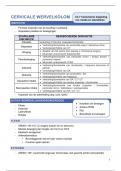
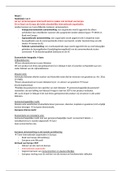
Functions of the skin:
- The largest organ of the body is the skin, it helps with temperature management, and the
conservation of fluid.
- Our skin can be damaged, leaving it an open portal for infection. Burns also affect
thermoregulation. Skin is the first line of defense. Maintaining skin integrity is a
fundamental component of nursing care.
- Layers of the skin: Epidermis, Dermis, Subcutaneous layer (regulates temp)
- Tissues are an organized group of cells with muscular and neural functions. Connective
or epithelial.
Risk Factors for burns:
- Age (children/older adults), tobacco use (careless with cigarettes), intoxication, physical,
and mental disabilities, pre-existing conditions, occupation (machinery, welding,
chemicals), water scaling (if water heater is above 120 degrees)
Burn Prevention:
- the major cause of fires in the home is carelessness with cigarettes.
- Smoke alarm/fire extinguishers, age-appropriate safety measures, fire drills and an
emergency evacuation plan, electrical cords, and grounded outlets, hot water temperature
setting less than 120, use of microwave, young children (turn pot handles away from
reach), older adults with peripheral neuropathy (decreased temp sensation, wear shoes,
check temp before bath).
- No flammable substances near an open flame, use sunscreen, and space heaters, no open
flame around oxygen.
- When teaching a community group about burn prevention, plan several ways of escape
from the home in case the primary exit is blocked. PAGE 463
Systemic Effects of Burn Injuries:
- Patho changes from major burns:
o Affects all body systems, increases the risk of a massive infection,
fluid/electrolyte imbalances, hypothermia, and respiratory function compromised.
o Burns affect our body, if burns above 20% worry about cardiac/renal.
o Third Spacing- will see generalized edema. The body will not be perfusing well,
worry about hypovolemic shock. Fluid is not where it should be fluid is outside of
the vessel in the interstitial space vs the vascular. Hypovolemic shock is the
leading cause of death in burns.
- Cardiovascular system:
o Increase in capillary permeability, edema, and decreased blood volume, heart rate
increases, cardiac output decreases, and BP drops. Hematocrit level increases,
blood volume decreases, decreased perfusion to vital organs. Hypovolemic shock.
Cardiac rhythm alterations.
o You will want 2 large-bore IVs and fluids.
, o Vasoactive substances cause the plasma to seep into surrounding tissues, fluid is
shifted out of the cells aka third spacing. In a pt who is extremely burned, you will
see generalized body edema and a decreased intravascular blood volume.
- Renal System:
o Oliguria (less than 30mL/hr urine output), reabsorption of fluid occurring over the
next couple weeks and causes diuresis, third spacing, blood pressure, and blood
flow to the kidneys.
o Acute dehydration = compromised renal perfusion.
o *will see decreased urine output over 1st 24-48hrs. which looks like AKI,
dehydrated, and compromised renal perfusion. After 48hrs, output should
increase.
o Acute renal failure. hypovolemic shock will look the same but pt is very swollen.
Diuresis begins about 24-36 hours after burn injury. Tx: lots of fluid.
- Respiratory System:
o burns of the head, neck, and chest are associated with pulmonary complications.
o Inflammation of the airway, inhalation injury (smoke or steam burns), respiratory
distress, carbon monoxide poisoning, and circumferential thorax burns lead to
inadequate chest wall expansion and pulmonary insufficiency. Interstitial
pulmonary edema, pulmonary HTN.
o Most critical assessment, assess the airway and patency continuously!!
o Circulatory compromise: as fluid begins to reabsorb, it can lead to fluid overload,
and can cause CHF.
- Gastrointestinal System:
o Ileus (because everything slows down), GI dysfunction
o Stress ulcers (Curling ulcers) can also occur in intubated patients. The ulcer can
increase gastric acidity.
o Prophylaxis: anti-ulcer medications ex: cimetidine, omeprazole, famotidine.
o 1st ulcer sign: bright red bleeding/vomiting. 8-12 hrs. after the burn.
- Musculoskeletal System:
o Contractures can occur, tightening of scar tissue, reduced movement of joints, and
loss of bone and muscle mass.
- Immune System:
o Damaged skin integrity compromises humoral immunity, at risk for an
opportunistic infection.
o Increased infection risk because it’s an open portal. Bacteria can sneak in; the
body is unable to fight off threats.
- Multisystem injury/failure summary:
o Depressed immune system function increases infection and sepsis risk.
o Assault to the respiratory system so assess and reassess, cardiovascular and renal
compromise, without intervention, hypovolemic shock and ultimately death
Functions of the skin:
- The largest organ of the body is the skin, it helps with temperature management, and the
conservation of fluid.
- Our skin can be damaged, leaving it an open portal for infection. Burns also affect
thermoregulation. Skin is the first line of defense. Maintaining skin integrity is a
fundamental component of nursing care.
- Layers of the skin: Epidermis, Dermis, Subcutaneous layer (regulates temp)
- Tissues are an organized group of cells with muscular and neural functions. Connective
or epithelial.
Risk Factors for burns:
- Age (children/older adults), tobacco use (careless with cigarettes), intoxication, physical,
and mental disabilities, pre-existing conditions, occupation (machinery, welding,
chemicals), water scaling (if water heater is above 120 degrees)
Burn Prevention:
- the major cause of fires in the home is carelessness with cigarettes.
- Smoke alarm/fire extinguishers, age-appropriate safety measures, fire drills and an
emergency evacuation plan, electrical cords, and grounded outlets, hot water temperature
setting less than 120, use of microwave, young children (turn pot handles away from
reach), older adults with peripheral neuropathy (decreased temp sensation, wear shoes,
check temp before bath).
- No flammable substances near an open flame, use sunscreen, and space heaters, no open
flame around oxygen.
- When teaching a community group about burn prevention, plan several ways of escape
from the home in case the primary exit is blocked. PAGE 463
Systemic Effects of Burn Injuries:
- Patho changes from major burns:
o Affects all body systems, increases the risk of a massive infection,
fluid/electrolyte imbalances, hypothermia, and respiratory function compromised.
o Burns affect our body, if burns above 20% worry about cardiac/renal.
o Third Spacing- will see generalized edema. The body will not be perfusing well,
worry about hypovolemic shock. Fluid is not where it should be fluid is outside of
the vessel in the interstitial space vs the vascular. Hypovolemic shock is the
leading cause of death in burns.
- Cardiovascular system:
o Increase in capillary permeability, edema, and decreased blood volume, heart rate
increases, cardiac output decreases, and BP drops. Hematocrit level increases,
blood volume decreases, decreased perfusion to vital organs. Hypovolemic shock.
Cardiac rhythm alterations.
o You will want 2 large-bore IVs and fluids.
, o Vasoactive substances cause the plasma to seep into surrounding tissues, fluid is
shifted out of the cells aka third spacing. In a pt who is extremely burned, you will
see generalized body edema and a decreased intravascular blood volume.
- Renal System:
o Oliguria (less than 30mL/hr urine output), reabsorption of fluid occurring over the
next couple weeks and causes diuresis, third spacing, blood pressure, and blood
flow to the kidneys.
o Acute dehydration = compromised renal perfusion.
o *will see decreased urine output over 1st 24-48hrs. which looks like AKI,
dehydrated, and compromised renal perfusion. After 48hrs, output should
increase.
o Acute renal failure. hypovolemic shock will look the same but pt is very swollen.
Diuresis begins about 24-36 hours after burn injury. Tx: lots of fluid.
- Respiratory System:
o burns of the head, neck, and chest are associated with pulmonary complications.
o Inflammation of the airway, inhalation injury (smoke or steam burns), respiratory
distress, carbon monoxide poisoning, and circumferential thorax burns lead to
inadequate chest wall expansion and pulmonary insufficiency. Interstitial
pulmonary edema, pulmonary HTN.
o Most critical assessment, assess the airway and patency continuously!!
o Circulatory compromise: as fluid begins to reabsorb, it can lead to fluid overload,
and can cause CHF.
- Gastrointestinal System:
o Ileus (because everything slows down), GI dysfunction
o Stress ulcers (Curling ulcers) can also occur in intubated patients. The ulcer can
increase gastric acidity.
o Prophylaxis: anti-ulcer medications ex: cimetidine, omeprazole, famotidine.
o 1st ulcer sign: bright red bleeding/vomiting. 8-12 hrs. after the burn.
- Musculoskeletal System:
o Contractures can occur, tightening of scar tissue, reduced movement of joints, and
loss of bone and muscle mass.
- Immune System:
o Damaged skin integrity compromises humoral immunity, at risk for an
opportunistic infection.
o Increased infection risk because it’s an open portal. Bacteria can sneak in; the
body is unable to fight off threats.
- Multisystem injury/failure summary:
o Depressed immune system function increases infection and sepsis risk.
o Assault to the respiratory system so assess and reassess, cardiovascular and renal
compromise, without intervention, hypovolemic shock and ultimately death