Ch1 Building Blocks of Relationships
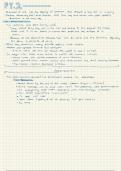
6 components of intimacy (nature of intimacy = differ from casual association): knowledge,
caring, interdependence, mutuality, trust, commitment
The need to belong: lacking intimacy = adverse consequences, evolutionarily adaptive
Environment of Evolutionary Adaptiveness (EEA): the conceptual environment where
adaptations occurred, human = Pleistocene Epoch
Building blocks of relationship (influences)
Culture: changing of norms, change of economy, tech, individualism, sex ratio (few w =
conservative)
Experience: attachment styles (secure, preoccupied, fearful, dismissing)
Individual difference: gender differences (roles, masculine = instrumental traits, feminine =
expressive traits, androgynous = both assertive & warm, sensitive & self-reliant), personalities
(the big five: open mindedness, extraversion, agreeableness, conscientiousness, negative
emotionality), self esteem (sciometer theory, low self esteem = sabotage relationships), sexual
orientation
Human nature: parental investment, paternity uncertainty, different preference for long term vs
short term relationships, culture determines if inherited habits still adaptive
Interaction: relationships = fluid, combinations of participants’ talents and histories
Social: Biosocial model, Social learning theory, accumulation of culture
The Dark side: costs and rewards, takes risk because we’re social species
Others
Technoference: interruption of interaction caused by tech devices
Phubbing: one partner ignore another by focusing on phone
Singlism: prejudice against those who choose to remain single
Cohabitation = less satisfying than marriage
6 components of intimacy (nature of intimacy = differ from casual association): knowledge,
caring, interdependence, mutuality, trust, commitment
The need to belong: lacking intimacy = adverse consequences, evolutionarily adaptive
Environment of Evolutionary Adaptiveness (EEA): the conceptual environment where
adaptations occurred, human = Pleistocene Epoch
Building blocks of relationship (influences)
Culture: changing of norms, change of economy, tech, individualism, sex ratio (few w =
conservative)
Experience: attachment styles (secure, preoccupied, fearful, dismissing)
Individual difference: gender differences (roles, masculine = instrumental traits, feminine =
expressive traits, androgynous = both assertive & warm, sensitive & self-reliant), personalities
(the big five: open mindedness, extraversion, agreeableness, conscientiousness, negative
emotionality), self esteem (sciometer theory, low self esteem = sabotage relationships), sexual
orientation
Human nature: parental investment, paternity uncertainty, different preference for long term vs
short term relationships, culture determines if inherited habits still adaptive
Interaction: relationships = fluid, combinations of participants’ talents and histories
Social: Biosocial model, Social learning theory, accumulation of culture
The Dark side: costs and rewards, takes risk because we’re social species
Others
Technoference: interruption of interaction caused by tech devices
Phubbing: one partner ignore another by focusing on phone
Singlism: prejudice against those who choose to remain single
Cohabitation = less satisfying than marriage