PSE4801Assignment 2 2025
Unique Number:
Due date: June 2025
Chapter 1
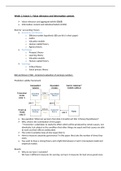
1.1 How does functionalism view schooling?
Functionalism views schooling as a critical institution that contributes to the stability and
functioning of society. From this perspective, schools serve both manifest and latent
functions. The manifest function is the clear, intended purpose of teaching intellectual skills,
such as reading, writing, and mathematics. The latent function, however, is more subtle—it
includes the socialization of students into the norms, values, and expectations of society.
Functionalists believe that schools prepare children for adult roles by instilling in them the
norms necessary to operate effectively in a modern, industrialized society. These include
independence, achievement, universalism, and specificity. Schools thus function to integrate
individuals into the economic, political, and cultural systems by teaching conformity,
discipline, and the importance of merit. They are also seen as providing role differentiation
and reinforcing group solidarity, enabling society to modernize and remain cohesive.
Functionalists like Dreeben and Moore argue that education supports the transmission of
social norms required for survival in complex societies and plays a transformative role by
preparing youth for the workforce and democratic participation. Therefore, education is both
DISCLAIMER & TERMS OF USE
Educational Aid: These study notes are intended to be used as educational resources and should not be seen as a
replacement for individual research, critical analysis, or professional consultation. Students are encouraged to perform
their own research and seek advice from their instructors or academic advisors for specific assignment guidelines.
Personal Responsibility: While every effort has been made to ensure the accuracy and reliability of the information in
these study notes, the seller does not guarantee the completeness or correctness of all content. The buyer is
responsible for verifying the accuracy of the information and exercising their own judgment when applying it to their
assignments.
Academic Integrity: It is essential for students to maintain academic integrity and follow their institution's policies
regarding plagiarism, citation, and referencing. These study notes should be used as learning tools and sources of
inspiration. Any direct reproduction of the content without proper citation and acknowledgment may be considered
academic misconduct.
Limited Liability: The seller shall not be liable for any direct or indirect damages, losses, or consequences arising from
the use of these notes. This includes, but is not limited to, poor academic performance, penalties, or any other negative
consequences resulting from the application or misuse of the information provided.
, For additional support +27 81 278 3372
Chapter 1
1.1 How does functionalism view schooling?
Functionalism views schooling as a critical institution that contributes to the stability
and functioning of society. From this perspective, schools serve both manifest and
latent functions. The manifest function is the clear, intended purpose of teaching
intellectual skills, such as reading, writing, and mathematics. The latent function,
however, is more subtle—it includes the socialization of students into the norms,
values, and expectations of society. Functionalists believe that schools prepare
children for adult roles by instilling in them the norms necessary to operate
effectively in a modern, industrialized society. These include independence,
achievement, universalism, and specificity. Schools thus function to integrate
individuals into the economic, political, and cultural systems by teaching conformity,
discipline, and the importance of merit. They are also seen as providing role
differentiation and reinforcing group solidarity, enabling society to modernize and
remain cohesive. Functionalists like Dreeben and Moore argue that education
supports the transmission of social norms required for survival in complex societies
and plays a transformative role by preparing youth for the workforce and democratic
participation. Therefore, education is both a socializing agent and a mechanism of
adaptation to technological and social change.
1.2 How does conflict (Marxist) theory view schooling?
Conflict theory, particularly in its Marxist form, views schooling as a tool used by the
dominant class to maintain power and reproduce social inequality. Schools are not
seen as neutral institutions that serve everyone's interests; rather, they reflect and
reinforce the existing class structure. In the context of Factory Prep, for example,
students are trained to be workers rather than bosses, thus perpetuating their
position within the working class. Education under capitalism is used to shape
compliant laborers who will support capitalist production through both their work and
consumption. Conflict theorists argue that schools instill capitalist ideologies, such as
acceptance of hierarchy, obedience to authority, and belief in meritocracy, which
mask the underlying class inequalities. The funding of schools through wages, rather
than corporate profits, is seen as a way to maintain the illusion of self-support while
Unique Number:
Due date: June 2025
Chapter 1
1.1 How does functionalism view schooling?
Functionalism views schooling as a critical institution that contributes to the stability and
functioning of society. From this perspective, schools serve both manifest and latent
functions. The manifest function is the clear, intended purpose of teaching intellectual skills,
such as reading, writing, and mathematics. The latent function, however, is more subtle—it
includes the socialization of students into the norms, values, and expectations of society.
Functionalists believe that schools prepare children for adult roles by instilling in them the
norms necessary to operate effectively in a modern, industrialized society. These include
independence, achievement, universalism, and specificity. Schools thus function to integrate
individuals into the economic, political, and cultural systems by teaching conformity,
discipline, and the importance of merit. They are also seen as providing role differentiation
and reinforcing group solidarity, enabling society to modernize and remain cohesive.
Functionalists like Dreeben and Moore argue that education supports the transmission of
social norms required for survival in complex societies and plays a transformative role by
preparing youth for the workforce and democratic participation. Therefore, education is both
DISCLAIMER & TERMS OF USE
Educational Aid: These study notes are intended to be used as educational resources and should not be seen as a
replacement for individual research, critical analysis, or professional consultation. Students are encouraged to perform
their own research and seek advice from their instructors or academic advisors for specific assignment guidelines.
Personal Responsibility: While every effort has been made to ensure the accuracy and reliability of the information in
these study notes, the seller does not guarantee the completeness or correctness of all content. The buyer is
responsible for verifying the accuracy of the information and exercising their own judgment when applying it to their
assignments.
Academic Integrity: It is essential for students to maintain academic integrity and follow their institution's policies
regarding plagiarism, citation, and referencing. These study notes should be used as learning tools and sources of
inspiration. Any direct reproduction of the content without proper citation and acknowledgment may be considered
academic misconduct.
Limited Liability: The seller shall not be liable for any direct or indirect damages, losses, or consequences arising from
the use of these notes. This includes, but is not limited to, poor academic performance, penalties, or any other negative
consequences resulting from the application or misuse of the information provided.
, For additional support +27 81 278 3372
Chapter 1
1.1 How does functionalism view schooling?
Functionalism views schooling as a critical institution that contributes to the stability
and functioning of society. From this perspective, schools serve both manifest and
latent functions. The manifest function is the clear, intended purpose of teaching
intellectual skills, such as reading, writing, and mathematics. The latent function,
however, is more subtle—it includes the socialization of students into the norms,
values, and expectations of society. Functionalists believe that schools prepare
children for adult roles by instilling in them the norms necessary to operate
effectively in a modern, industrialized society. These include independence,
achievement, universalism, and specificity. Schools thus function to integrate
individuals into the economic, political, and cultural systems by teaching conformity,
discipline, and the importance of merit. They are also seen as providing role
differentiation and reinforcing group solidarity, enabling society to modernize and
remain cohesive. Functionalists like Dreeben and Moore argue that education
supports the transmission of social norms required for survival in complex societies
and plays a transformative role by preparing youth for the workforce and democratic
participation. Therefore, education is both a socializing agent and a mechanism of
adaptation to technological and social change.
1.2 How does conflict (Marxist) theory view schooling?
Conflict theory, particularly in its Marxist form, views schooling as a tool used by the
dominant class to maintain power and reproduce social inequality. Schools are not
seen as neutral institutions that serve everyone's interests; rather, they reflect and
reinforce the existing class structure. In the context of Factory Prep, for example,
students are trained to be workers rather than bosses, thus perpetuating their
position within the working class. Education under capitalism is used to shape
compliant laborers who will support capitalist production through both their work and
consumption. Conflict theorists argue that schools instill capitalist ideologies, such as
acceptance of hierarchy, obedience to authority, and belief in meritocracy, which
mask the underlying class inequalities. The funding of schools through wages, rather
than corporate profits, is seen as a way to maintain the illusion of self-support while