Topic 6 DQ 1 (Obj. 6.1)
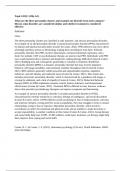
What are the three personality clusters and examine one disorder from each category?
Discuss what disorders are considered similar and whether treatment is considered
effective.
Published
Class,
The three personality clusters are classified as odd, dramatic, and anxious personality disorders.
An example of an odd personality disorder is paranoid personality disorder (PPD), characterized
by distrust and mistrust towards others (Comer & Comer, 2021). PPD sufferers may view others'
seemingly harmless actions as threatening, making them unwilling to trust them. Schizoid
personality disorder, like PPD, involves detachment, restricted emotional expression, and a
desire for solitude. CBT or psychodynamic therapy are used to treat PPD. Individuals with PPD
may avoid treatment due to mistrust and skepticism, making therapy difficult (Comer & Comer,
2021). Building trust and a therapeutic partnership is essential to treatment. Borderline
personality disorder (BPD) is a dramatic personality disorder that may involve impulsive
behavior, self-image instability, and emotional volatility throughout time (Comer & Comer,
2021). BPD sufferers generally exhibit powerful and unpredictable emotions, impulsive
behaviors, and self-identity and relational issues (Comer & Comer, 2021). This cluster also
includes narcissistic personality disorder, which is characterized by a grandiose self-image, a
craving for adulation, and a lack of empathy (Comer & Comer, 2021). Dialectical behavior
therapy (DBT) for BPD emphasizes emotion control, distress tolerance, and interpersonal
effectiveness (Comer & Comer, 2021). Treatment BPD is difficult to treat, however evidence
shows that specialist psychotherapy therapies can improve symptoms and functioning.
An example of anxious personality disorder is avoidant personality disorder (AVPD),
characterized by extreme sensitivity to criticism, feelings of inadequacy, and social discomfort
(Comer & Comer, 2021). AVPD sufferers avoid socializing for fear of embarrassment, criticism,
and rejection. Despite a strong need for social acceptability, they may struggle to form or sustain
relationships owing to fear of rejection. Dependent personality disorder, which involves
overreliance on others for emotional and physical needs and an inability to make decisions or
accept responsibility, is another condition in this cluster (Comer & Comer, 2021). Group therapy
and social skills help treat AVPD. AVPD sufferers could reject treatment, yet therapy might help
them improve their coping and social skills.
Comer, R. J., & Comer, J. S. (2021). Abnormal psychology (11th ed.). Worth Publishers. ISBN:
9781319370602
What are the three personality clusters and examine one disorder from each category?
Discuss what disorders are considered similar and whether treatment is considered
effective.
Published
Class,
The three personality clusters are classified as odd, dramatic, and anxious personality disorders.
An example of an odd personality disorder is paranoid personality disorder (PPD), characterized
by distrust and mistrust towards others (Comer & Comer, 2021). PPD sufferers may view others'
seemingly harmless actions as threatening, making them unwilling to trust them. Schizoid
personality disorder, like PPD, involves detachment, restricted emotional expression, and a
desire for solitude. CBT or psychodynamic therapy are used to treat PPD. Individuals with PPD
may avoid treatment due to mistrust and skepticism, making therapy difficult (Comer & Comer,
2021). Building trust and a therapeutic partnership is essential to treatment. Borderline
personality disorder (BPD) is a dramatic personality disorder that may involve impulsive
behavior, self-image instability, and emotional volatility throughout time (Comer & Comer,
2021). BPD sufferers generally exhibit powerful and unpredictable emotions, impulsive
behaviors, and self-identity and relational issues (Comer & Comer, 2021). This cluster also
includes narcissistic personality disorder, which is characterized by a grandiose self-image, a
craving for adulation, and a lack of empathy (Comer & Comer, 2021). Dialectical behavior
therapy (DBT) for BPD emphasizes emotion control, distress tolerance, and interpersonal
effectiveness (Comer & Comer, 2021). Treatment BPD is difficult to treat, however evidence
shows that specialist psychotherapy therapies can improve symptoms and functioning.
An example of anxious personality disorder is avoidant personality disorder (AVPD),
characterized by extreme sensitivity to criticism, feelings of inadequacy, and social discomfort
(Comer & Comer, 2021). AVPD sufferers avoid socializing for fear of embarrassment, criticism,
and rejection. Despite a strong need for social acceptability, they may struggle to form or sustain
relationships owing to fear of rejection. Dependent personality disorder, which involves
overreliance on others for emotional and physical needs and an inability to make decisions or
accept responsibility, is another condition in this cluster (Comer & Comer, 2021). Group therapy
and social skills help treat AVPD. AVPD sufferers could reject treatment, yet therapy might help
them improve their coping and social skills.
Comer, R. J., & Comer, J. S. (2021). Abnormal psychology (11th ed.). Worth Publishers. ISBN:
9781319370602