ESCI 1010 Lab 8
Air Pollution
Before Lab: Review pages 395-413 in your Weather and Climate textbook. Please pay special attention
to the sections entitled: “The Air Pollution Threat”, “Sources and Types of Air Pollution”, “Trends in Air
Quality” and “Meteorological Factors Affecting Air Pollution”. You may also elect to consult resources
and policies available through the US Environmental Protection Agency (www.epa.gov).
Summary: This lab focuses on air pollution. Through this exercise you will explore patterns in pollution
concentrations as well as weather conditions that contribute to poor air quality near the Earth’s surface.
LAB EXERCISE
1. Recall the concentrations of some components of the atmosphere vary with time and/or with place.
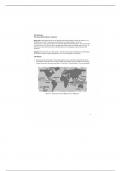
Figure 8.1 summarizes the concentrations of fine particulate matter between 2001 and 2006. Fine
particulates (2.5 micrometers or less) get past our body’s defenses, can remain in our lungs for an
extended time and are associated with a range of health impacts (see Figure 14-6 in your text).
Have a look at the map – what places (consult an atlas or globe as necessary) are exposed to the
highest concentrations of fine particulates?
Figure 8.1: Global Perspective of Fine Particulate Matter (2.5 micrometers or less) 2001 – 2006.
(source: NASA.gov)
1
, 2. Focusing now on the United States (Figure 8.2) identify and describe the spatial pattern in
concentrations of particulate matter.
Figure 8.2: United States Perspective of Fine Particulate Matter (2.5 micrometers or less) 2001 – 2006.
(source: NASA.gov)
a. What places have highest concentrations? What places have the lowest concentrations?
b. Recalling “Sources and Types of Air Pollution” on p. 398 of your text explain (account for)
the pattern you identified.
2
Air Pollution
Before Lab: Review pages 395-413 in your Weather and Climate textbook. Please pay special attention
to the sections entitled: “The Air Pollution Threat”, “Sources and Types of Air Pollution”, “Trends in Air
Quality” and “Meteorological Factors Affecting Air Pollution”. You may also elect to consult resources
and policies available through the US Environmental Protection Agency (www.epa.gov).
Summary: This lab focuses on air pollution. Through this exercise you will explore patterns in pollution
concentrations as well as weather conditions that contribute to poor air quality near the Earth’s surface.
LAB EXERCISE
1. Recall the concentrations of some components of the atmosphere vary with time and/or with place.
Figure 8.1 summarizes the concentrations of fine particulate matter between 2001 and 2006. Fine
particulates (2.5 micrometers or less) get past our body’s defenses, can remain in our lungs for an
extended time and are associated with a range of health impacts (see Figure 14-6 in your text).
Have a look at the map – what places (consult an atlas or globe as necessary) are exposed to the
highest concentrations of fine particulates?
Figure 8.1: Global Perspective of Fine Particulate Matter (2.5 micrometers or less) 2001 – 2006.
(source: NASA.gov)
1
, 2. Focusing now on the United States (Figure 8.2) identify and describe the spatial pattern in
concentrations of particulate matter.
Figure 8.2: United States Perspective of Fine Particulate Matter (2.5 micrometers or less) 2001 – 2006.
(source: NASA.gov)
a. What places have highest concentrations? What places have the lowest concentrations?
b. Recalling “Sources and Types of Air Pollution” on p. 398 of your text explain (account for)
the pattern you identified.
2