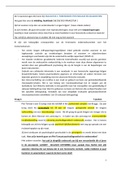
Research Chapter 1 Key Terms
1. Authority: Person with expertise and power who is able to influence the opinions
and behaviors of others. (Grove 500)
Grove, Susan, Jennifer Gray, Nancy Burns. Understanding Nursing Research, 6th
Edition. Saunders, 2015. VitalBook file.
2. Best Research Evidence: Produced by the conduct and synthesis of numerous,
high-quality studies in a health-related area. The best research evidence is generated
in the areas of health promotion, illness prevention, and the assessment,
diagnosis, and management of acute and chronic illnesses (Grove 500)
Grove, Susan, Jennifer Gray, Nancy Burns. Understanding Nursing Research, 6th
Edition. Saunders, 2015. VitalBook file.
3. Nursing Research: a scientific process that validates and refines existing knowledge
and generates new knowledge that directly and indirectly influences nursing
practice. (Grove 3)
Grove, Susan, Jennifer Gray, Nancy Burns. Understanding Nursing Research, 6th
Edition. Saunders, 2015. VitalBook file.
4. EBP: evolves from the integration of the best research evidence with clinical
expertise and patients' needs and values (Grove 3)
Grove, Susan, Jennifer Gray, Nancy Burns. Understanding Nursing Research, 6th
Edition. Saunders, 2015. VitalBook file.
5. Clinical Expertise: is the knowledge and skills of the healthcare professional who
is providing care (Grove 4)
Grove, Susan, Jennifer Gray, Nancy Burns. Understanding Nursing Research, 6th
Edition. Saunders, 2015. VitalBook file.
1
, 6. Description: involves identifying and understanding the nature of nursing phenomena
and, sometimes, the relationships among them
7. Explanation: Clarifies the relationships among other phenomenon and identifies
reasons why certain events occur
8. Prediction: Estimation of the probability of a specific outcome in a given situation
achieved through research
9. Control: The ability to write a prescription to produce desired results
10. Inductive reasoning: moves from the specific to the general (particular instances
are observed then combined into a larger or whole general statement
11. deductive reasoning: moves from the general to the specific or from a general
premise to a particular situation or conclusion
12. Quantitative research: numerical data is used.
s conducted to test theory by describing variables (descriptive research), examining
relationships among variables (correlational research), and determining cause
and effect interactions between variables (quasi-experimental and experimental
research; (Grove 19)
Grove, Susan, Jennifer Gray, Nancy Burns. Understanding Nursing Research, 6th
Edition. Saunders, 2015. VitalBook file.
13. Qualitative research: describes life experiences and situations and give them
meaning. Used to develop theories
14. Outcomes research: developed to examine the end results of patient care
(Grove 508)
Grove, Susan, Jennifer Gray, Nancy Burns. Understanding Nursing Research, 6th
Edition. Saunders, 2015. VitalBook file.
15. Types of Quantitative: Descriptive, Correlational, Quasi-experimental, experimental
2
1. Authority: Person with expertise and power who is able to influence the opinions
and behaviors of others. (Grove 500)
Grove, Susan, Jennifer Gray, Nancy Burns. Understanding Nursing Research, 6th
Edition. Saunders, 2015. VitalBook file.
2. Best Research Evidence: Produced by the conduct and synthesis of numerous,
high-quality studies in a health-related area. The best research evidence is generated
in the areas of health promotion, illness prevention, and the assessment,
diagnosis, and management of acute and chronic illnesses (Grove 500)
Grove, Susan, Jennifer Gray, Nancy Burns. Understanding Nursing Research, 6th
Edition. Saunders, 2015. VitalBook file.
3. Nursing Research: a scientific process that validates and refines existing knowledge
and generates new knowledge that directly and indirectly influences nursing
practice. (Grove 3)
Grove, Susan, Jennifer Gray, Nancy Burns. Understanding Nursing Research, 6th
Edition. Saunders, 2015. VitalBook file.
4. EBP: evolves from the integration of the best research evidence with clinical
expertise and patients' needs and values (Grove 3)
Grove, Susan, Jennifer Gray, Nancy Burns. Understanding Nursing Research, 6th
Edition. Saunders, 2015. VitalBook file.
5. Clinical Expertise: is the knowledge and skills of the healthcare professional who
is providing care (Grove 4)
Grove, Susan, Jennifer Gray, Nancy Burns. Understanding Nursing Research, 6th
Edition. Saunders, 2015. VitalBook file.
1
, 6. Description: involves identifying and understanding the nature of nursing phenomena
and, sometimes, the relationships among them
7. Explanation: Clarifies the relationships among other phenomenon and identifies
reasons why certain events occur
8. Prediction: Estimation of the probability of a specific outcome in a given situation
achieved through research
9. Control: The ability to write a prescription to produce desired results
10. Inductive reasoning: moves from the specific to the general (particular instances
are observed then combined into a larger or whole general statement
11. deductive reasoning: moves from the general to the specific or from a general
premise to a particular situation or conclusion
12. Quantitative research: numerical data is used.
s conducted to test theory by describing variables (descriptive research), examining
relationships among variables (correlational research), and determining cause
and effect interactions between variables (quasi-experimental and experimental
research; (Grove 19)
Grove, Susan, Jennifer Gray, Nancy Burns. Understanding Nursing Research, 6th
Edition. Saunders, 2015. VitalBook file.
13. Qualitative research: describes life experiences and situations and give them
meaning. Used to develop theories
14. Outcomes research: developed to examine the end results of patient care
(Grove 508)
Grove, Susan, Jennifer Gray, Nancy Burns. Understanding Nursing Research, 6th
Edition. Saunders, 2015. VitalBook file.
15. Types of Quantitative: Descriptive, Correlational, Quasi-experimental, experimental
2