4/14/25, 8:03 BLS Flashcards |
AM
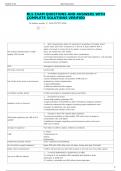
BLS EXAM QUESTIONS AND ANSWERS WITH
COMPLETE SOLUTIONS VERIFIED
10 studiers recently Leave the first rating
1. start compressions within 10 seconds of recognition of cardiac arrest
2.push hard, push fast: Compress at a rate of at least 100/min with a
depth of at least 2 inches (5cm) for adults, 2 inches (5cm) for children
the critical characteristics of high- and 1 1/2 inches (4cm) for infants
quality CPR include 3.allow complete chest recoil after each compression
4. minimize interruptions in compressions (try to limit interruptions to <10 seconds)
5.give effective breaths that make the chest rise
6.avoid excessive ventilation
ECC emergency cardiovascular care
the chain of survival has five links
1. immediate recognition of cardiac arrest and activation of
the emergency response system
2.early cardiopulmonary resuscitation (CPR) with an
the 5 links of the chain of survival are emphasis on chest compressions
3.rapid defibrillation
4. effective advanced life support
5. integrated post-cardiac arrest care
in children cardiac arrest is often secondary to respiratory failure and shock.
1. prevention of arrest
2.early high-quality bystander CPR
3.rapid activation of the EMS (or other emergency response system)
pediatric chain of survival
4. effective advanced life support (including rapid stabilization and
transport to definitive care and rehab
5. integrated post-cardiac arrest care
1. changes in basic life support (BLS) sequence
2.continued emphasis on high-quality CPR, with minor changes in
2010 AHA guidelines for CPR & ECC
compression rate and depth
update
3.additional changes regarding cricoid pressure, pulse check and
AED use in infants
change in sequence from ABC to CAB for adults, children and infants
C- Chest
CAB Compressions A-
Airway
B-Breathing
healthcare provider should check response and breathing
for all victims except newborns begin CPR with CAB; after each set open airway and give 2 breaths
begin chest compressions if within 10 seconds you don't feel a pulse or are not sure if you feel a pulse
1. a manual defibrillator is preferred to an AED
2.if manual is not available, AED equipped with pediatric does
use of an AED for infants
attenuator is preferred.
3.if neither is available use AED without dose attenuator
1/
3
AM
BLS EXAM QUESTIONS AND ANSWERS WITH
COMPLETE SOLUTIONS VERIFIED
10 studiers recently Leave the first rating
1. start compressions within 10 seconds of recognition of cardiac arrest
2.push hard, push fast: Compress at a rate of at least 100/min with a
depth of at least 2 inches (5cm) for adults, 2 inches (5cm) for children
the critical characteristics of high- and 1 1/2 inches (4cm) for infants
quality CPR include 3.allow complete chest recoil after each compression
4. minimize interruptions in compressions (try to limit interruptions to <10 seconds)
5.give effective breaths that make the chest rise
6.avoid excessive ventilation
ECC emergency cardiovascular care
the chain of survival has five links
1. immediate recognition of cardiac arrest and activation of
the emergency response system
2.early cardiopulmonary resuscitation (CPR) with an
the 5 links of the chain of survival are emphasis on chest compressions
3.rapid defibrillation
4. effective advanced life support
5. integrated post-cardiac arrest care
in children cardiac arrest is often secondary to respiratory failure and shock.
1. prevention of arrest
2.early high-quality bystander CPR
3.rapid activation of the EMS (or other emergency response system)
pediatric chain of survival
4. effective advanced life support (including rapid stabilization and
transport to definitive care and rehab
5. integrated post-cardiac arrest care
1. changes in basic life support (BLS) sequence
2.continued emphasis on high-quality CPR, with minor changes in
2010 AHA guidelines for CPR & ECC
compression rate and depth
update
3.additional changes regarding cricoid pressure, pulse check and
AED use in infants
change in sequence from ABC to CAB for adults, children and infants
C- Chest
CAB Compressions A-
Airway
B-Breathing
healthcare provider should check response and breathing
for all victims except newborns begin CPR with CAB; after each set open airway and give 2 breaths
begin chest compressions if within 10 seconds you don't feel a pulse or are not sure if you feel a pulse
1. a manual defibrillator is preferred to an AED
2.if manual is not available, AED equipped with pediatric does
use of an AED for infants
attenuator is preferred.
3.if neither is available use AED without dose attenuator
1/
3