Core Study APFCE
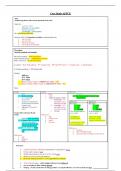
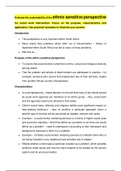
Aims
(include hypotheses and research questions if relevant)
Study the:
- bystander effect
- diffusion of responsibility
- pluristic ignorance
- cost-benefit – arousal model
IN A NATURAL SETTING
Study the effect of 4 situational variables on helping behaviour:
1. type of victim
2. race of victim
3. behaviour of model
4. size of group of bystanders
Procedure
(include method and sample)
Research method – field experiment
Experimental design – independent measures
Data collection – covert observation
Location – New York subway – 8th Avenue Line – 59th and 125th street – 7.5 minute ride – A and D trains
6-8 trials each day => 103 trials total
Sample
- 4450 ppts
- 55% white
- 45% black
- Mean average of ppts in CRITICAL AREA = 8.5
- Mean average number of ppts in ADJACENT AREA = 4.3
Roles
Victim Model Observers
o Male o Male o 2 females
o Identical clothing o 24-29 o Both recorded ppt comments made
o 26-35 years old o 5 different models of help spontaneously
o Black/white 1. Early help – 70
o Acted drunk [smelled of secs from critical Observer 1 Observer 2
alcohol and carried bottle area/adjacent area Recorded: Recorded:
in paper bag] 2. Late help – 150 - race - race
o Appeared ill [carried a secs from critical - sex - sex
cane] area/adjacent area - location - location
3. No help of every passenger in of all passengers in
Teams told to alternate ill and critical area. adjacent area.
drunk. Differences:
1. Age NUMBER OF SPEED OF FIRST
- Stood in centre of carriage 2. Clothes worn PASSENGERS HELPER/ AFTER
- Collapsed after 70 seconds 3. Speed MODEL INTERVENED
- Until receiving help => 4. Location TOTAL WHO CAME
laid on back and stared at TO VICTIM’S AID
ceiling waiting for help
- No-one helped => model Differences:
helped victim off at next 1. locations
stop 2. observed different ppts
3. observed number of helpers or their speed
Differences:
1. Age
2. Ethnicity
3. Props
Aims
(include hypotheses and research questions if relevant)
Study the:
- bystander effect
- diffusion of responsibility
- pluristic ignorance
- cost-benefit – arousal model
IN A NATURAL SETTING
Study the effect of 4 situational variables on helping behaviour:
1. type of victim
2. race of victim
3. behaviour of model
4. size of group of bystanders
Procedure
(include method and sample)
Research method – field experiment
Experimental design – independent measures
Data collection – covert observation
Location – New York subway – 8th Avenue Line – 59th and 125th street – 7.5 minute ride – A and D trains
6-8 trials each day => 103 trials total
Sample
- 4450 ppts
- 55% white
- 45% black
- Mean average of ppts in CRITICAL AREA = 8.5
- Mean average number of ppts in ADJACENT AREA = 4.3
Roles
Victim Model Observers
o Male o Male o 2 females
o Identical clothing o 24-29 o Both recorded ppt comments made
o 26-35 years old o 5 different models of help spontaneously
o Black/white 1. Early help – 70
o Acted drunk [smelled of secs from critical Observer 1 Observer 2
alcohol and carried bottle area/adjacent area Recorded: Recorded:
in paper bag] 2. Late help – 150 - race - race
o Appeared ill [carried a secs from critical - sex - sex
cane] area/adjacent area - location - location
3. No help of every passenger in of all passengers in
Teams told to alternate ill and critical area. adjacent area.
drunk. Differences:
1. Age NUMBER OF SPEED OF FIRST
- Stood in centre of carriage 2. Clothes worn PASSENGERS HELPER/ AFTER
- Collapsed after 70 seconds 3. Speed MODEL INTERVENED
- Until receiving help => 4. Location TOTAL WHO CAME
laid on back and stared at TO VICTIM’S AID
ceiling waiting for help
- No-one helped => model Differences:
helped victim off at next 1. locations
stop 2. observed different ppts
3. observed number of helpers or their speed
Differences:
1. Age
2. Ethnicity
3. Props