[Type the company name]
PLS2607 Assignment 2
(COMPLETE ANSWERS)
Semester 1 2025 - DUE 7
April
NO PLAGIARISM
[Year]
, Book
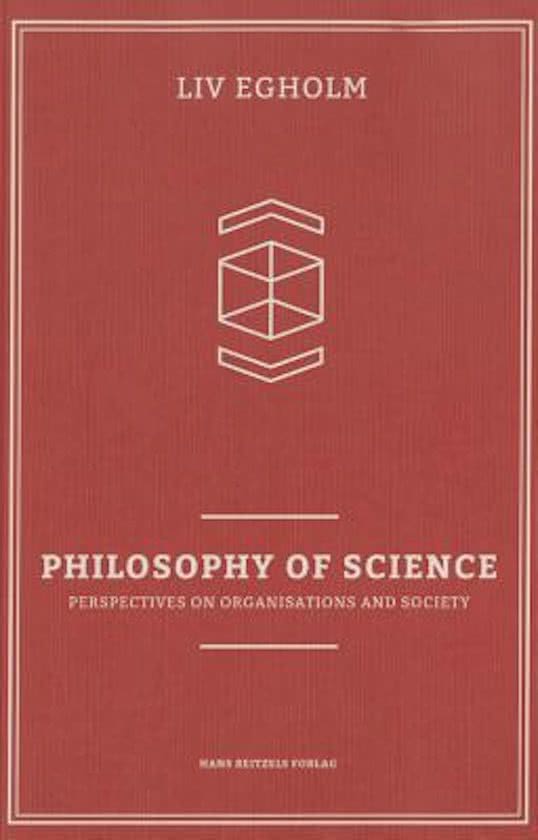
Philosophy of Science
PLS2607 Assignment 2 (COMPLETE ANSWERS) Semester 1 2025 - DUE 7 April
2025; 100% TRUSTED Complete, trusted solutions and explanations. Ensure
your success with us....
David Hume declared that anything that hints of metaphysics (i.e., the study
of that which transcends physics) should “be cast into the flames” (An
Enquiry, 12). Explain why Hume and the Logical Positivists viewed
metaphysics unfavourable
Both David Hume and the Logical Positivists held a deeply unfavorable view of metaphysics,
advocating for its rejection as meaningless and a waste of intellectual effort. Their reasons, while
sharing a common thread of empiricism and a focus on verifiable knowledge, had slightly
different nuances:
David Hume:
Hume's rejection of metaphysics stemmed from his radical empiricism, as laid out in his "An
Enquiry Concerning Human Understanding." His core argument revolved around his theory of
ideas, which stated that all our ideas are ultimately derived from sensory impressions.
Here's why this led him to dismiss metaphysics:
Lack of Empirical Basis: Hume argued that metaphysical concepts (like substance, soul,
God, causality as necessary connection) do not originate from any direct sensory
experience or impression. We never directly perceive a "substance" underlying qualities,
a persistent "soul" independent of our perceptions, or a necessary force linking cause and
effect.
Meaning and Verifiability: For Hume, the meaning of an idea was tied to its
corresponding impression. Since metaphysical ideas lacked such clear empirical origins,
they were deemed meaningless or, at best, products of imagination and linguistic
confusion.
Skepticism about Reason: While Hume acknowledged the role of reason in examining
"relations of ideas" (like mathematics and logic), he was deeply skeptical of its ability to
provide knowledge about "matters of fact" (the external world) independently of
experience. Metaphysics, in its attempt to grasp truths beyond the empirical realm
through pure reason, was seen as exceeding the limits of human understanding.
The Fork: Hume famously proposed that all meaningful statements fall into two
categories:
o Relations of Ideas: These are analytic, a priori truths discoverable by reason
alone (e.g., mathematical truths, logical tautologies). They are certain but tell us
nothing about the world.
o Matters of Fact: These are synthetic, a posteriori truths about the world, based
on experience. They are informative but never absolutely certain. Hume argued
PLS2607 Assignment 2
(COMPLETE ANSWERS)
Semester 1 2025 - DUE 7
April
NO PLAGIARISM
[Year]
, Book
Philosophy of Science
PLS2607 Assignment 2 (COMPLETE ANSWERS) Semester 1 2025 - DUE 7 April
2025; 100% TRUSTED Complete, trusted solutions and explanations. Ensure
your success with us....
David Hume declared that anything that hints of metaphysics (i.e., the study
of that which transcends physics) should “be cast into the flames” (An
Enquiry, 12). Explain why Hume and the Logical Positivists viewed
metaphysics unfavourable
Both David Hume and the Logical Positivists held a deeply unfavorable view of metaphysics,
advocating for its rejection as meaningless and a waste of intellectual effort. Their reasons, while
sharing a common thread of empiricism and a focus on verifiable knowledge, had slightly
different nuances:
David Hume:
Hume's rejection of metaphysics stemmed from his radical empiricism, as laid out in his "An
Enquiry Concerning Human Understanding." His core argument revolved around his theory of
ideas, which stated that all our ideas are ultimately derived from sensory impressions.
Here's why this led him to dismiss metaphysics:
Lack of Empirical Basis: Hume argued that metaphysical concepts (like substance, soul,
God, causality as necessary connection) do not originate from any direct sensory
experience or impression. We never directly perceive a "substance" underlying qualities,
a persistent "soul" independent of our perceptions, or a necessary force linking cause and
effect.
Meaning and Verifiability: For Hume, the meaning of an idea was tied to its
corresponding impression. Since metaphysical ideas lacked such clear empirical origins,
they were deemed meaningless or, at best, products of imagination and linguistic
confusion.
Skepticism about Reason: While Hume acknowledged the role of reason in examining
"relations of ideas" (like mathematics and logic), he was deeply skeptical of its ability to
provide knowledge about "matters of fact" (the external world) independently of
experience. Metaphysics, in its attempt to grasp truths beyond the empirical realm
through pure reason, was seen as exceeding the limits of human understanding.
The Fork: Hume famously proposed that all meaningful statements fall into two
categories:
o Relations of Ideas: These are analytic, a priori truths discoverable by reason
alone (e.g., mathematical truths, logical tautologies). They are certain but tell us
nothing about the world.
o Matters of Fact: These are synthetic, a posteriori truths about the world, based
on experience. They are informative but never absolutely certain. Hume argued