BIOL 2402 STUDY GUIDE Summer 2024
Chapter 18
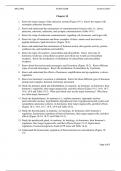
1. Know the major organs of the endocrine system (Figure 18-1). Know the organs with
secondary endocrine functions
2. Know and understand the mechanisms of communication between cells, i.e., direct,
paracrine, autocrine, endocrine, and synaptic communication (Table 18-1).
3. Know the setup of endocrine communication: signaling cell, hormones, and target cells.
4. Know the type of hormones and know examples of these: amino acids derivatives,
peptide hormones, lipid derivatives (Figure 18-2)
5. Know and understand the mechanisms of hormone action: alter genetic activity, protein
synthesis rate, and membrane permeability
6. Know the types of receptors: extracellular and intracellular. Know what type of
hormones would use extracellular receptors and which one would use intracellular
receptors. Know the mechanism of stimulation of extracellular and intracellular
receptors.
7. Know about first and second messengers, and G proteins (Figure 18-3). Know different
types of second messengers. Know the mechanism of stimulation by G proteins.
8. Know and understand the effects of hormones: amplification and up-regulation vs down-
regulation.
9. Know how hormone’s secretion is stimulated. Know the three different types of hormone
stimuli and examples: humoral, hormonal, and neural.
10. Study the pituitary gland and infundibulum, its anatomy, its histology, its hormones, their
hormone’s regulation, their target organs/cells, and their effects (Figure 18-5, 18-6, 18-7,
18-8, 18-9 and Table 18-2). What and which ones are the tropic hormones? Why these
are called tropic hormones?
11. Study the hypothalamus, its anatomy (i.e., median eminence, supraoptic nucleus,
paraventricular nucleus, hypothalamic-hypophyseal tract, hypophyseal portal system and
sympathetic autonomic centers), its hormones, their target organs/cells, and their effects
(Figure 18-5, 18-6, 18-7, 18-8, 18-9 and Table 18-2).
12. Study the thyroid gland, its anatomy, its histology, its hormones, their hormone’s
regulation, homeostatic regulation of thyroid hormone, their target organs/cells, and their
effects (Figure 18-10, 18-11 and Table 18-3).
13. Study the parathyroid gland, its anatomy, its histology, its hormones, their hormone’s
regulation, their target organs/cells, and their effects (Figure 18-12, figure about
regulation of osteoclastogenesis found in PP notes and Table 18-4).
14. Understand the homeostatic regulation of blood calcium ion concentration (Figure 18-
13).
Page 1 of 5
, BIOL 2402 STUDY GUIDE Summer 2024
15. Study the adrenal gland, its anatomy, its histology, its hormones, their hormone’s
regulation, their target organs/cells, and their effects (Figure 18-14). What is
gluconeogenesis? What adrenal hormone triggers gluconeogenesis in the liver?
16. Study the pineal gland, its anatomy, its histology, its hormones, their hormone’s
regulation, their target organs/cells, and their effects (Figure 18-15).
17. Study the pancreas, its anatomy, its histology, its hormones, their hormone’s regulation,
their target organs/cells, and their effects (Figure 18-16, 18-17 and Table 18-5).
18. Know and understand diabetes mellitus, its types, its complications (Figure 18-18).
Understand the differences between diabetes mellitus and diabetes insipidus. Know the
cardinal signs of diabetes: glycosuria, polyuria, pollakiuria, and polydipsia.
19. Know the organs with secondary endocrine functions and their hormones, such as
intestines, kidneys, heart, thymus, testes, ovaries, adipose tissue (Tables 18-6 and 18-7).
Know and understand leptin produced by adipose tissue, its regulation, and consequences
of defective production, receptors and/or pathway.
20. Understand the hormone interactions (i.e., antagonistic effect, synergistic effect,
permissive effect, and integrative effect). Know examples of each, for example insulin
and glucagon have antagonistic effects on glucose blood concentration; growth hormone
and glucocorticoids have synergistic effects on glucose-sparing action; epinephrine
(adrenaline) and thyroid hormone have permissive effects on energy consumption; and
calcitriol and parathyroid hormone have integrative effects on blood calcium
concentration and calcium metabolism.
21. Know endocrine malfunctions (Table 18-8). Study the first two columns in this table.
22. Know about stress and its phases (Figure 18-20).
23. Know the effects of hormone on behavior. And know the effects of aging on hormone
production.
24. Know alternative names for all structures indicated in the textbook.
Chapter 28
1. Male Reproductive System
i. Know the anatomy of the male reproductive system. What are the major
structures of the male reproductive system? What are the accessory glands? Study
Figure 28-1.
ii. Know structures enclosed in the spermatic cord. Know the layers of the scrotum
(including the scrotal cavity) from the skin to the tunica vaginalis and in the
correct order (i.e., from the outermost to the innermost layer). Study Figure 28-2
and 28-3. Also know their major function, i.e., cremaster muscle tenses the
scrotum and pulls testes closer to body, etc.
Page 2 of 5
Chapter 18
1. Know the major organs of the endocrine system (Figure 18-1). Know the organs with
secondary endocrine functions
2. Know and understand the mechanisms of communication between cells, i.e., direct,
paracrine, autocrine, endocrine, and synaptic communication (Table 18-1).
3. Know the setup of endocrine communication: signaling cell, hormones, and target cells.
4. Know the type of hormones and know examples of these: amino acids derivatives,
peptide hormones, lipid derivatives (Figure 18-2)
5. Know and understand the mechanisms of hormone action: alter genetic activity, protein
synthesis rate, and membrane permeability
6. Know the types of receptors: extracellular and intracellular. Know what type of
hormones would use extracellular receptors and which one would use intracellular
receptors. Know the mechanism of stimulation of extracellular and intracellular
receptors.
7. Know about first and second messengers, and G proteins (Figure 18-3). Know different
types of second messengers. Know the mechanism of stimulation by G proteins.
8. Know and understand the effects of hormones: amplification and up-regulation vs down-
regulation.
9. Know how hormone’s secretion is stimulated. Know the three different types of hormone
stimuli and examples: humoral, hormonal, and neural.
10. Study the pituitary gland and infundibulum, its anatomy, its histology, its hormones, their
hormone’s regulation, their target organs/cells, and their effects (Figure 18-5, 18-6, 18-7,
18-8, 18-9 and Table 18-2). What and which ones are the tropic hormones? Why these
are called tropic hormones?
11. Study the hypothalamus, its anatomy (i.e., median eminence, supraoptic nucleus,
paraventricular nucleus, hypothalamic-hypophyseal tract, hypophyseal portal system and
sympathetic autonomic centers), its hormones, their target organs/cells, and their effects
(Figure 18-5, 18-6, 18-7, 18-8, 18-9 and Table 18-2).
12. Study the thyroid gland, its anatomy, its histology, its hormones, their hormone’s
regulation, homeostatic regulation of thyroid hormone, their target organs/cells, and their
effects (Figure 18-10, 18-11 and Table 18-3).
13. Study the parathyroid gland, its anatomy, its histology, its hormones, their hormone’s
regulation, their target organs/cells, and their effects (Figure 18-12, figure about
regulation of osteoclastogenesis found in PP notes and Table 18-4).
14. Understand the homeostatic regulation of blood calcium ion concentration (Figure 18-
13).
Page 1 of 5
, BIOL 2402 STUDY GUIDE Summer 2024
15. Study the adrenal gland, its anatomy, its histology, its hormones, their hormone’s
regulation, their target organs/cells, and their effects (Figure 18-14). What is
gluconeogenesis? What adrenal hormone triggers gluconeogenesis in the liver?
16. Study the pineal gland, its anatomy, its histology, its hormones, their hormone’s
regulation, their target organs/cells, and their effects (Figure 18-15).
17. Study the pancreas, its anatomy, its histology, its hormones, their hormone’s regulation,
their target organs/cells, and their effects (Figure 18-16, 18-17 and Table 18-5).
18. Know and understand diabetes mellitus, its types, its complications (Figure 18-18).
Understand the differences between diabetes mellitus and diabetes insipidus. Know the
cardinal signs of diabetes: glycosuria, polyuria, pollakiuria, and polydipsia.
19. Know the organs with secondary endocrine functions and their hormones, such as
intestines, kidneys, heart, thymus, testes, ovaries, adipose tissue (Tables 18-6 and 18-7).
Know and understand leptin produced by adipose tissue, its regulation, and consequences
of defective production, receptors and/or pathway.
20. Understand the hormone interactions (i.e., antagonistic effect, synergistic effect,
permissive effect, and integrative effect). Know examples of each, for example insulin
and glucagon have antagonistic effects on glucose blood concentration; growth hormone
and glucocorticoids have synergistic effects on glucose-sparing action; epinephrine
(adrenaline) and thyroid hormone have permissive effects on energy consumption; and
calcitriol and parathyroid hormone have integrative effects on blood calcium
concentration and calcium metabolism.
21. Know endocrine malfunctions (Table 18-8). Study the first two columns in this table.
22. Know about stress and its phases (Figure 18-20).
23. Know the effects of hormone on behavior. And know the effects of aging on hormone
production.
24. Know alternative names for all structures indicated in the textbook.
Chapter 28
1. Male Reproductive System
i. Know the anatomy of the male reproductive system. What are the major
structures of the male reproductive system? What are the accessory glands? Study
Figure 28-1.
ii. Know structures enclosed in the spermatic cord. Know the layers of the scrotum
(including the scrotal cavity) from the skin to the tunica vaginalis and in the
correct order (i.e., from the outermost to the innermost layer). Study Figure 28-2
and 28-3. Also know their major function, i.e., cremaster muscle tenses the
scrotum and pulls testes closer to body, etc.
Page 2 of 5