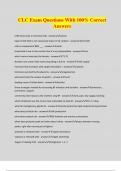
CMN 548 unit 2 study guide questions
ways to handle auditory hallucinations in interview - Correct Answers -1. Ask "do u ever
hear someone talking when no one else is there?" If yes, a. have them repeat verbatim
a specific convo; and b. Ask @ command hallucinations (like details, any orders to harm
self/anyone, whether they ever felt compelled to follow commands).
How to handle paranoia during interviews - Correct Answers -1. Maintain respectful
distance
2. Avoid sustained eye contact - can be threatening
3. Sit side by side "looking out" vs face to face
4. If they seem afraid of u, ask "are u concerned I'm involved?"
5. Ask whether any specific target with paranoid thinking
6. Ask "Do u feel need to protect yourself in any way? How do u plan on doing so?"
(helps assess violence risk) —> if any possible violence to others, do further risk
assessment.
How to handle depression during interviews - Correct Answers -Patient may need more
direct questions vs open ended depending on symptom severity
How to handle suicidal patients during interviews - Correct Answers -1. Ask directly-
"have you ever had thoughts life wasn't worth living?"
2. Get Details about current ideation , plan, intent, prior attempts + potential triggers for
attempts (helps assess current risk), family history of attempts and completed suicides,
any psychotic symptoms
3. If SI, ask @ specific plan and any means. If yes, get details of steps taken. If no, ask
@ preventive factors like "what do u think has kept u from hurting yourself?" (Must
continue to assess for any changes during treatment)
4. If imminent risk, may need to terminate interview and secure patient safety
What is unpremeditated violence preceded by? - Correct Answers -A period of gradually
escalating psychomotor agitation like pacing, loud speech or threatening comments
How to handle hostility during interviews - Correct Answers -1. Attention to room setup
like chairs and both u and patient able to easily exit
2. Awareness of safety features like security, emergency buttons or numbers
3. Decrease excess stimulation
4. Notice patient body position and avoid threatening postures like clenched fists or
hand behind back
5. Don't bargain for cooperation like "once we finish you'll be able to..."
ways to handle auditory hallucinations in interview - Correct Answers -1. Ask "do u ever
hear someone talking when no one else is there?" If yes, a. have them repeat verbatim
a specific convo; and b. Ask @ command hallucinations (like details, any orders to harm
self/anyone, whether they ever felt compelled to follow commands).
How to handle paranoia during interviews - Correct Answers -1. Maintain respectful
distance
2. Avoid sustained eye contact - can be threatening
3. Sit side by side "looking out" vs face to face
4. If they seem afraid of u, ask "are u concerned I'm involved?"
5. Ask whether any specific target with paranoid thinking
6. Ask "Do u feel need to protect yourself in any way? How do u plan on doing so?"
(helps assess violence risk) —> if any possible violence to others, do further risk
assessment.
How to handle depression during interviews - Correct Answers -Patient may need more
direct questions vs open ended depending on symptom severity
How to handle suicidal patients during interviews - Correct Answers -1. Ask directly-
"have you ever had thoughts life wasn't worth living?"
2. Get Details about current ideation , plan, intent, prior attempts + potential triggers for
attempts (helps assess current risk), family history of attempts and completed suicides,
any psychotic symptoms
3. If SI, ask @ specific plan and any means. If yes, get details of steps taken. If no, ask
@ preventive factors like "what do u think has kept u from hurting yourself?" (Must
continue to assess for any changes during treatment)
4. If imminent risk, may need to terminate interview and secure patient safety
What is unpremeditated violence preceded by? - Correct Answers -A period of gradually
escalating psychomotor agitation like pacing, loud speech or threatening comments
How to handle hostility during interviews - Correct Answers -1. Attention to room setup
like chairs and both u and patient able to easily exit
2. Awareness of safety features like security, emergency buttons or numbers
3. Decrease excess stimulation
4. Notice patient body position and avoid threatening postures like clenched fists or
hand behind back
5. Don't bargain for cooperation like "once we finish you'll be able to..."