1. Archea ribosomes size→70S- constructed of 50S AND 30S subunit
2. Archea inhabit in extreme environments
1. what type of env does archaea require?→low pH, high temperature and high salt
2. They are chemotrophic
1. some are chemoorganotrophs↔requiring an organic source of carbon
and metabolic energy
2. some are Chemolithotrophs↔ microbes that can obtain all the energy
required for their growth from the oxidation of inorganic compounds
2. Phylums of Archea
1. Euryarchaeota↔aerobes or anaerobes , live in extreme environment n pH, some
contain CetZ
CetZ↔homologue of tubulin like FtsZ but maintains rod shape in archaea
rahter than involving in cytokinesis
1. Methanogens↔anaerobes; they degrade organic matter and generate
methane gas, die from exposure to O2 organisms name begin with
methano-
2. Halophiles↔Aerobes ; salt lovers; require high salt for metabolism,
named halo-
3. Thermoacidophiles↔Sulfolobus↔archaea that requires both high
temperature and low/acidic pH for growth
4. Hyperthermophiles↔optimum growth temp about 80. most are
autotrophic
autotrophs→Autotrophs are organisms that prepare their own
1.
food requiring only carbon dioxide or carbonates as a source of
carbon and a simple inorganic nitrogen compound for
metabolic synthesis of organic molecules
2. can also survive the autoclave!
2. Crenarchaeota↔most are hyperthermophiles and anaerobes
can be chemolithotrophs or chemoorganotrops
1. what type of environment→hot or cold soil or freshwater
Shape, Arrangement and size of archaea
o Cocci shapes of archea form→cluster
o Rod shaped forms→chains
o pleomorphic↔many shaped
o what shape of archea is not found yet?↔spirochetelike and mycelial archaea
, spirochete↔spiral shaped
mycelium↔mass of branching hyphae
hyphae↔each of the branching filaments that make up the mycelium of a
fungus.
2. Unique shapes and size of archaea
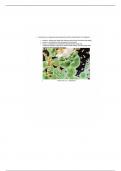
1. Branched archaeal cell from Thermoproteus tenax↔stiff rods with thin tail fibers;
one of the most resistant viruses known
2. Haloquadratum walsbyi↔postage stamp shaped archaea that lives in salt ponds
how is this postage stamp shape advantageous→because it increases
surface area to volume ratio, which in turn increases efficiency of the
nutrient uptake, diffusion of molecules and growth rate
Some archaeas filaments are coated with what→biofilm formed by
bacteria of a single species, the archaea is the host and the bactera is the
symbionts.
o Cell organization
Plasma membrane composed of what?↔cell wall, no peptidoglycan,
cytoplasm composed of what?↔nucleoid, ribosomes adn inclusions
What do archaea use for locomotion?↔flagella called archellum
archellum↔flagella name for archaea
2. S layer↔the major layer and sometimes the only component of the cell
wall.protein and glycoproteins.
3. slime layer→glycocalyx which is a sugar layer helps in attachment to
host; unorganized; loosely attached to cell ; mediate cell to cell
interactions
2.
1. Archaeal membranes
1. phospholipid composed of→hydrocarbons (phospholipids) derived
from isoprene units-five carbon, branched hydrocarbons(phytanyl not true fatty
acids) L glycerol
ether linkage, isoprenoid chains, and branching of side chains
2. Archea inhabit in extreme environments
1. what type of env does archaea require?→low pH, high temperature and high salt
2. They are chemotrophic
1. some are chemoorganotrophs↔requiring an organic source of carbon
and metabolic energy
2. some are Chemolithotrophs↔ microbes that can obtain all the energy
required for their growth from the oxidation of inorganic compounds
2. Phylums of Archea
1. Euryarchaeota↔aerobes or anaerobes , live in extreme environment n pH, some
contain CetZ
CetZ↔homologue of tubulin like FtsZ but maintains rod shape in archaea
rahter than involving in cytokinesis
1. Methanogens↔anaerobes; they degrade organic matter and generate
methane gas, die from exposure to O2 organisms name begin with
methano-
2. Halophiles↔Aerobes ; salt lovers; require high salt for metabolism,
named halo-
3. Thermoacidophiles↔Sulfolobus↔archaea that requires both high
temperature and low/acidic pH for growth
4. Hyperthermophiles↔optimum growth temp about 80. most are
autotrophic
autotrophs→Autotrophs are organisms that prepare their own
1.
food requiring only carbon dioxide or carbonates as a source of
carbon and a simple inorganic nitrogen compound for
metabolic synthesis of organic molecules
2. can also survive the autoclave!
2. Crenarchaeota↔most are hyperthermophiles and anaerobes
can be chemolithotrophs or chemoorganotrops
1. what type of environment→hot or cold soil or freshwater
Shape, Arrangement and size of archaea
o Cocci shapes of archea form→cluster
o Rod shaped forms→chains
o pleomorphic↔many shaped
o what shape of archea is not found yet?↔spirochetelike and mycelial archaea
, spirochete↔spiral shaped
mycelium↔mass of branching hyphae
hyphae↔each of the branching filaments that make up the mycelium of a
fungus.
2. Unique shapes and size of archaea
1. Branched archaeal cell from Thermoproteus tenax↔stiff rods with thin tail fibers;
one of the most resistant viruses known
2. Haloquadratum walsbyi↔postage stamp shaped archaea that lives in salt ponds
how is this postage stamp shape advantageous→because it increases
surface area to volume ratio, which in turn increases efficiency of the
nutrient uptake, diffusion of molecules and growth rate
Some archaeas filaments are coated with what→biofilm formed by
bacteria of a single species, the archaea is the host and the bactera is the
symbionts.
o Cell organization
Plasma membrane composed of what?↔cell wall, no peptidoglycan,
cytoplasm composed of what?↔nucleoid, ribosomes adn inclusions
What do archaea use for locomotion?↔flagella called archellum
archellum↔flagella name for archaea
2. S layer↔the major layer and sometimes the only component of the cell
wall.protein and glycoproteins.
3. slime layer→glycocalyx which is a sugar layer helps in attachment to
host; unorganized; loosely attached to cell ; mediate cell to cell
interactions
2.
1. Archaeal membranes
1. phospholipid composed of→hydrocarbons (phospholipids) derived
from isoprene units-five carbon, branched hydrocarbons(phytanyl not true fatty
acids) L glycerol
ether linkage, isoprenoid chains, and branching of side chains