
Chapter 6: Comprehensive Geriatric Assessment
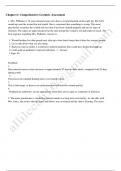
1. Mrs. Williams is 76 years old and comes in to have a wound checked on her right leg. She fell a
month ago and the wound has not healed. She is concerned that something is wrong. The nurse
practitioner examines the wound and sees that it has been cleaned properly and has no signs of
infection. The edges are approximated, but the skin around the wound is red and tender to touch. The
best response regarding Mrs. Williams' concern is:
1. Wound healing for older people may take up to four times longer than it does for younger people.
2. Let us talk about what you are eating.
3. Had you come in earlier, I would have ordered medicine that would have healed that right up.
4. I will order an antibiotic to prevent infection. - 1. Answer:
1 Page: 96
Feedback
1.
Skin renewal turnover time increases to approximately 87 days in older adults, compared with 20 days
during youth.
2.
The perceived extended healing time is not related to diet.
3.
This is false hope, as there is no medication that will heal this wound quickly.
4.
Prophylactic antibiotics are not appropriate when there are no signs or symptoms of infection.
2. The nurse practitioner is conducting patient rounds in a long-term care facility. As she talks with
Mrs. Jones, she notices that her arms and elbows are excoriated and the skin is shearing. The nurse
, practitioner explains to the staff that Mrs. Jones needs frequent assessment of her skin and protection
provided to prevent skin breakdown because:
1. Her lack of activity causes the skin to tear.
2. Fat has redistributed to the abdomen and thighs, leaving bony surfaces in areas such as the
face, hands, and sacrum. This can result in injury.
3. She has lost weight and is in jeopardy of falling.
4. She picks at herself and causes skin breakdown. - 2. Answer: 2
Page: 96
Feedback
1.
Lack of activity alone does not cause skin breakdown.
2.
Fat is redistributed to the abdomen and thighs, leaving bony surfaces, such as the face, hands, and
sacrum, exposed to potential injury, especially skin tears from shearing, friction forces and pressure
ulcer development.
3.
Although losing weight may be a risk factor for falling, it is not directly related to skin breakdown.
4.
There is no evidence that she is picking at herself, as there is nothing reported anywhere else on her
arms.
3. Mr. James is 91 years old. His daughter notices that he has bruises and lacerations on his arms and
reports this to the nurse practitioner, who tells her that older people bruise easily due to their fragile
blood vessels. The skin lacerations happen because he has thin skin. Even so, the nurse practitioner
assures the daughter that she will investigate further to ensure that he is getting proper care. She says
this because she understands that:
1. These markings on the patient's skin are part of aging skin.
2. Bruises and lacerations can indicate inadequate care.
3. The daughter needs assurance that her father is okay.
4. The patient is being abused. - 3. Answer: 2
Page: 97
Feedback
1.
Markings on the skin may be signs of aging, a disease, or maltreatment.
2.
Poorly healing wounds or chronic pressure ulcers may signal a problem not only with the patient but
with the caregiver's ability to provide adequate care. Welts, lacerations, burns, and distinctive
1. Mrs. Williams is 76 years old and comes in to have a wound checked on her right leg. She fell a
month ago and the wound has not healed. She is concerned that something is wrong. The nurse
practitioner examines the wound and sees that it has been cleaned properly and has no signs of
infection. The edges are approximated, but the skin around the wound is red and tender to touch. The
best response regarding Mrs. Williams' concern is:
1. Wound healing for older people may take up to four times longer than it does for younger people.
2. Let us talk about what you are eating.
3. Had you come in earlier, I would have ordered medicine that would have healed that right up.
4. I will order an antibiotic to prevent infection. - 1. Answer:
1 Page: 96
Feedback
1.
Skin renewal turnover time increases to approximately 87 days in older adults, compared with 20 days
during youth.
2.
The perceived extended healing time is not related to diet.
3.
This is false hope, as there is no medication that will heal this wound quickly.
4.
Prophylactic antibiotics are not appropriate when there are no signs or symptoms of infection.
2. The nurse practitioner is conducting patient rounds in a long-term care facility. As she talks with
Mrs. Jones, she notices that her arms and elbows are excoriated and the skin is shearing. The nurse
, practitioner explains to the staff that Mrs. Jones needs frequent assessment of her skin and protection
provided to prevent skin breakdown because:
1. Her lack of activity causes the skin to tear.
2. Fat has redistributed to the abdomen and thighs, leaving bony surfaces in areas such as the
face, hands, and sacrum. This can result in injury.
3. She has lost weight and is in jeopardy of falling.
4. She picks at herself and causes skin breakdown. - 2. Answer: 2
Page: 96
Feedback
1.
Lack of activity alone does not cause skin breakdown.
2.
Fat is redistributed to the abdomen and thighs, leaving bony surfaces, such as the face, hands, and
sacrum, exposed to potential injury, especially skin tears from shearing, friction forces and pressure
ulcer development.
3.
Although losing weight may be a risk factor for falling, it is not directly related to skin breakdown.
4.
There is no evidence that she is picking at herself, as there is nothing reported anywhere else on her
arms.
3. Mr. James is 91 years old. His daughter notices that he has bruises and lacerations on his arms and
reports this to the nurse practitioner, who tells her that older people bruise easily due to their fragile
blood vessels. The skin lacerations happen because he has thin skin. Even so, the nurse practitioner
assures the daughter that she will investigate further to ensure that he is getting proper care. She says
this because she understands that:
1. These markings on the patient's skin are part of aging skin.
2. Bruises and lacerations can indicate inadequate care.
3. The daughter needs assurance that her father is okay.
4. The patient is being abused. - 3. Answer: 2
Page: 97
Feedback
1.
Markings on the skin may be signs of aging, a disease, or maltreatment.
2.
Poorly healing wounds or chronic pressure ulcers may signal a problem not only with the patient but
with the caregiver's ability to provide adequate care. Welts, lacerations, burns, and distinctive


