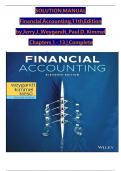
SOLUTION MANUAL dd
Financial Accounting 11th Edition
dd dd dd
by Jerry J. Weygandt, Paul D. Kimmel
dd dd dd dd dd dd
Chapters 1 - 13 | Complete
dd dd dd dd dd dd
,TABLE OF CONTENTS dd dd
Chapter 1. Accounting in Action
dd dd dd dd
Chapter 2. The Recording Process
dd dd dd dd
Chapter 3. Adjusting the Accounts
dd dd dd dd
Chapter 4. Completing the Accounting Cycle
dd dd dd dd dd
Chapter 5. Accounting for Merchandising Operations
dd dd dd dd dd
Chapter 6. Inventories
dd dd
Chapter 7. Fraud, Internal Control and Cash
dd dd dd dd dd dd
Chapter 8. Accounting for Receivables
dd dd dd dd
Chapter 9. Plant Assets, Natural Resources and Intangible Assets
dd dd dd dd dd dd dd dd
Chapter 10. Liabilities
dd dd
Chapter 11. Corporations: Organisations, Stock Transactions and
dd dd dd dd dd dd
Stockholders‘ Equity
dd dd
,Chapter 12. Statement of Cash Flows
dd dd dd dd dd
Chapter 13. Financial Analysis: The Big Picture
dd dd dd dd dd dd dd
,CHAPTER 1 dd
Accounting in Action dd dd
ASSIGNMENT CLASSIFICATION TABLE dd dd
Brief A
Learning Objectives dd Questions Exercises
dd Do It!
dd Exercises Problems
1. Identify the activities dd dd 1, 2, 3, 4, 5
dd dd dd dd 1 1, 2dd
dd andusers associated
d dd
dd with accounting.
dd
2. Explain the building blocks of 6, 7, 8, 9, 10
dd dd dd dd dd dd dd dd dd 2 3, 4dd
dd accounting: dd ethics,
dd principles,and assumptions. d dd
3. State the accounting
dd dd 11, 12, 13, 14. 1, 2, 3, 4, 5
dd dd dd dd dd dd dd 3 5
dd equation, and define dd dd 22
itscomponents.
dd d
4. Analyze the effects of dd dd dd 15, 16, 18
dd dd 6, 7, 8, 9
dd dd dd 4 6, 7, 8
dd dd 1A, 2A, 4A,
dd dd
dd business transactions on dd dd 5A
dd theaccounting equation.
d dd
5. Describe the four financial dd dd dd
17, 19, 20, 21, 10, 11
dd dd dd dd 5 8, 9, 10, 11,
dd dd2A, 3A, 4A,
dd dd dd
statements and how they
dd dd dd dd
12, 13, 14, 15, 5A
dd dd dd
areprepared.
dd d
16, 17, 18
dd dd
Financial Accounting 11th Edition
dd dd dd
by Jerry J. Weygandt, Paul D. Kimmel
dd dd dd dd dd dd
Chapters 1 - 13 | Complete
dd dd dd dd dd dd
,TABLE OF CONTENTS dd dd
Chapter 1. Accounting in Action
dd dd dd dd
Chapter 2. The Recording Process
dd dd dd dd
Chapter 3. Adjusting the Accounts
dd dd dd dd
Chapter 4. Completing the Accounting Cycle
dd dd dd dd dd
Chapter 5. Accounting for Merchandising Operations
dd dd dd dd dd
Chapter 6. Inventories
dd dd
Chapter 7. Fraud, Internal Control and Cash
dd dd dd dd dd dd
Chapter 8. Accounting for Receivables
dd dd dd dd
Chapter 9. Plant Assets, Natural Resources and Intangible Assets
dd dd dd dd dd dd dd dd
Chapter 10. Liabilities
dd dd
Chapter 11. Corporations: Organisations, Stock Transactions and
dd dd dd dd dd dd
Stockholders‘ Equity
dd dd
,Chapter 12. Statement of Cash Flows
dd dd dd dd dd
Chapter 13. Financial Analysis: The Big Picture
dd dd dd dd dd dd dd
,CHAPTER 1 dd
Accounting in Action dd dd
ASSIGNMENT CLASSIFICATION TABLE dd dd
Brief A
Learning Objectives dd Questions Exercises
dd Do It!
dd Exercises Problems
1. Identify the activities dd dd 1, 2, 3, 4, 5
dd dd dd dd 1 1, 2dd
dd andusers associated
d dd
dd with accounting.
dd
2. Explain the building blocks of 6, 7, 8, 9, 10
dd dd dd dd dd dd dd dd dd 2 3, 4dd
dd accounting: dd ethics,
dd principles,and assumptions. d dd
3. State the accounting
dd dd 11, 12, 13, 14. 1, 2, 3, 4, 5
dd dd dd dd dd dd dd 3 5
dd equation, and define dd dd 22
itscomponents.
dd d
4. Analyze the effects of dd dd dd 15, 16, 18
dd dd 6, 7, 8, 9
dd dd dd 4 6, 7, 8
dd dd 1A, 2A, 4A,
dd dd
dd business transactions on dd dd 5A
dd theaccounting equation.
d dd
5. Describe the four financial dd dd dd
17, 19, 20, 21, 10, 11
dd dd dd dd 5 8, 9, 10, 11,
dd dd2A, 3A, 4A,
dd dd dd
statements and how they
dd dd dd dd
12, 13, 14, 15, 5A
dd dd dd
areprepared.
dd d
16, 17, 18
dd dd