AQA_2024: A-level Design and Technology: Fashion and Textiles - Paper 1
Technical Principles.
(Merged Question Paper and Marking Scheme)
Please write clearly in block capitals.
Centre number Candidate number
Surname
Forename(s)
Candidate signature
I declare this is my own work.
A-level
DESIGN AND TECHNOLOGY:
FASHION AND TEXTILES
Paper 1 Technical Principles
Wednesday 5 June 2024 Afternoon Time allowed: 2 hours 30 minutes
Materials For Examiner’s Use
For this paper you must have: Question Mark
normal writing and drawing instruments
1–2
a scientific calculator.
3
Instructions 4
Use black ink or black ball-point pen. Use pencil only for drawing. 5
Fill in the boxes at the top of this page. 6
Answer all questions. 7
You must answer the questions in the spaces provided. Do not write outside
8
the box around each page or on blank pages.
If you need extra space for your answer(s), use the lined pages at the end of 9 –10
this book. Write the question number against your answer(s). 11–12
Do all rough work in this book. Cross through any work you do not want 13
to be marked. 14
15
Information
The marks for questions are shown in brackets. 16
The maximum mark for this paper is 120. 17
18
19
20
21
TOTAL
,For A-level Design and Technology: Fashion and Textiles Paper 1: Technical Principles, here’s a concise
revision guide focusing on the key areas:
1. Materials and Their Properties:
Textile Fibres:
o Natural Fibres: Understand the properties of cotton, wool, silk, and linen—their strengths,
weaknesses, and uses in fashion/textiles.
o Synthetic Fibres: Know the properties of polyester, nylon, acrylic, and spandex, focusing on
durability, elasticity, and moisture-wicking properties.
o Blended Fibres: Understand how blending fibres can enhance the properties of the fabric (e.g.,
cotton and polyester blend for durability and softness).
Fabric Construction:
o Woven Fabrics: Differentiate between plain weave, twill weave, and satin weave, and their
applications in fashion.
o Knitted Fabrics: Know the difference between weft and warp knitting, their stretch properties,
and where they are used.
o Non-woven Fabrics: Be familiar with felt, spunbond, and other non-woven textiles used in
fashion.
2. Fabric Finishes:
Mechanical Finishes: Learn about finishes like calendering (for smoothness), napping (for softness),
and shrinking.
Chemical Finishes: Understand finishes such as waterproofing, flame retardant, and anti-crease,
and how they alter fabric properties.
Functional Finishes: Explore finishes that add specific characteristics, like UV protection,
antibacterial, and stain resistance.
3. Manufacturing Processes:
Textile Production:
o Spinning: Understand the spinning of yarn from fibres, including the processes of carding and
combing.
o Weaving & Knitting: Know the basics of loom weaving and machine knitting, their benefits,
and limitations.
o Dyeing and Printing: Learn different methods of applying colour and patterns, including direct
dyeing, screen printing, and digital printing.
4. Sustainability and Ethical Considerations:
Sustainable Materials: Understand eco-friendly materials like organic cotton, hemp, and recycled
polyester.
Ethical Fashion: Explore issues related to fast fashion, ethical sourcing, fair trade, and the impact of
textile production on the environment.
End-of-Life of Textiles: Know the recycling processes for textiles and how designs can be made with
future recycling in mind.
5. Textile Technologies:
Smart Fabrics: Be familiar with electronic textiles (e-textiles), such as fabrics that respond to
environmental conditions or integrate with wearable technology.
Performance Fabrics: Understand textiles with special properties such as moisture-wicking,
breathability, and temperature regulation used in activewear and sportswear.
G/KL/Jun24/G4001/V5 7562/1
, 2
Do not write
outside the
box
Answer all questions in the spaces provided.
0 1 Complete Table 1 by inserting the correct textile term from the list below next to
its description.
Do not use any term more than once.
[6 marks]
Bouclé Chambray Corduroy False twist
Herringbone Madras Organdie Sateen
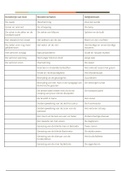
Table 1
Description Textile Term
A lightweight crisp fabric with a transparent
appearance
A yarn with snarls and crinkles made through
heat setting
A checked pattern made with brightly coloured
cotton yarns
A three-ply yarn with irregular loops along
its length
A smooth weft-faced fabric with a very high
lustre
A cut pile fabric with rows running parallel
to the selvage
0 2 Give three reasons for using linings in fashion garments.
[3 marks]
1
2
3
9
G/Jun24/7562/1
, 3
Do not write
outside the
box
0 3 Explain the differences between plain woven silk and polyester satin fabrics and
the reasons why they are used for garment linings.
Refer to specific examples of products in your answer.
[9 marks]
9
Turn over ▶
G/Jun24/7562/1
Technical Principles.
(Merged Question Paper and Marking Scheme)
Please write clearly in block capitals.
Centre number Candidate number
Surname
Forename(s)
Candidate signature
I declare this is my own work.
A-level
DESIGN AND TECHNOLOGY:
FASHION AND TEXTILES
Paper 1 Technical Principles
Wednesday 5 June 2024 Afternoon Time allowed: 2 hours 30 minutes
Materials For Examiner’s Use
For this paper you must have: Question Mark
normal writing and drawing instruments
1–2
a scientific calculator.
3
Instructions 4
Use black ink or black ball-point pen. Use pencil only for drawing. 5
Fill in the boxes at the top of this page. 6
Answer all questions. 7
You must answer the questions in the spaces provided. Do not write outside
8
the box around each page or on blank pages.
If you need extra space for your answer(s), use the lined pages at the end of 9 –10
this book. Write the question number against your answer(s). 11–12
Do all rough work in this book. Cross through any work you do not want 13
to be marked. 14
15
Information
The marks for questions are shown in brackets. 16
The maximum mark for this paper is 120. 17
18
19
20
21
TOTAL
,For A-level Design and Technology: Fashion and Textiles Paper 1: Technical Principles, here’s a concise
revision guide focusing on the key areas:
1. Materials and Their Properties:
Textile Fibres:
o Natural Fibres: Understand the properties of cotton, wool, silk, and linen—their strengths,
weaknesses, and uses in fashion/textiles.
o Synthetic Fibres: Know the properties of polyester, nylon, acrylic, and spandex, focusing on
durability, elasticity, and moisture-wicking properties.
o Blended Fibres: Understand how blending fibres can enhance the properties of the fabric (e.g.,
cotton and polyester blend for durability and softness).
Fabric Construction:
o Woven Fabrics: Differentiate between plain weave, twill weave, and satin weave, and their
applications in fashion.
o Knitted Fabrics: Know the difference between weft and warp knitting, their stretch properties,
and where they are used.
o Non-woven Fabrics: Be familiar with felt, spunbond, and other non-woven textiles used in
fashion.
2. Fabric Finishes:
Mechanical Finishes: Learn about finishes like calendering (for smoothness), napping (for softness),
and shrinking.
Chemical Finishes: Understand finishes such as waterproofing, flame retardant, and anti-crease,
and how they alter fabric properties.
Functional Finishes: Explore finishes that add specific characteristics, like UV protection,
antibacterial, and stain resistance.
3. Manufacturing Processes:
Textile Production:
o Spinning: Understand the spinning of yarn from fibres, including the processes of carding and
combing.
o Weaving & Knitting: Know the basics of loom weaving and machine knitting, their benefits,
and limitations.
o Dyeing and Printing: Learn different methods of applying colour and patterns, including direct
dyeing, screen printing, and digital printing.
4. Sustainability and Ethical Considerations:
Sustainable Materials: Understand eco-friendly materials like organic cotton, hemp, and recycled
polyester.
Ethical Fashion: Explore issues related to fast fashion, ethical sourcing, fair trade, and the impact of
textile production on the environment.
End-of-Life of Textiles: Know the recycling processes for textiles and how designs can be made with
future recycling in mind.
5. Textile Technologies:
Smart Fabrics: Be familiar with electronic textiles (e-textiles), such as fabrics that respond to
environmental conditions or integrate with wearable technology.
Performance Fabrics: Understand textiles with special properties such as moisture-wicking,
breathability, and temperature regulation used in activewear and sportswear.
G/KL/Jun24/G4001/V5 7562/1
, 2
Do not write
outside the
box
Answer all questions in the spaces provided.
0 1 Complete Table 1 by inserting the correct textile term from the list below next to
its description.
Do not use any term more than once.
[6 marks]
Bouclé Chambray Corduroy False twist
Herringbone Madras Organdie Sateen
Table 1
Description Textile Term
A lightweight crisp fabric with a transparent
appearance
A yarn with snarls and crinkles made through
heat setting
A checked pattern made with brightly coloured
cotton yarns
A three-ply yarn with irregular loops along
its length
A smooth weft-faced fabric with a very high
lustre
A cut pile fabric with rows running parallel
to the selvage
0 2 Give three reasons for using linings in fashion garments.
[3 marks]
1
2
3
9
G/Jun24/7562/1
, 3
Do not write
outside the
box
0 3 Explain the differences between plain woven silk and polyester satin fabrics and
the reasons why they are used for garment linings.
Refer to specific examples of products in your answer.
[9 marks]
9
Turn over ▶
G/Jun24/7562/1