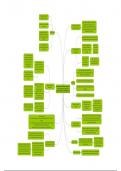
The emancipation of
the serfs in 1861
using of censorship to control the
The Peasent Land Bank freedom of expression- some
in 1883 Expression of views
relaxation under Nicholas II- kopek
through the media
newspaper appeared as well as Ruskii
to publish official news.
The Stolypin reforms Agriculture
(1906-1911)- the wager
on the strong and land working conditions worsened in factories
reforms and remained dangerous and unhealthy
The emergence of 1882- employment in 1896- an 11
kulaks and commercial factories of children hr working
farming Urban Working under the age of 12 was day was
conditions banned. fixed by law.
1877- the Ministry of
Education had taken 1903- a worker's
control of elementary 1914- statutory
insurance
provision: school holidays had been
Administration of scheme was
inspectors were introduced by time.
elementary education introduced
introduced
was placed with the
Zemstva by Alexander
The Return Reforms (1862-1878)-
II.
The number of primary encouragement of foreign investment and
schools rose from foreign technical expertise
23,000 in 1880 to 81,000
in 1914.
Railway construction- Trans-Siberian Line
Industry
Alexander II introduced The provisions of
Alexander III reversed a new code for The impact of Dictatorial regimes on The Medele'ev Tariff (1891)- raised government
Education
his father's policy by secondary schools the economy and society of the revenues
banning lower-class which resulted in Russian Empire and the USSR-Tsars
children from attending doubling of the number
secondary schools. of attending an The Witte Reforms (1893-1903)- The Great Spurt
institutions by 1865.
large number of
Population growth
Under Stolypin all non- peasant families
Alexander III took away Reasons for Social stimulated by the
academic meetings of moving to towns and
much of the autonomy Change better growth
students at universities cities due to industrial
of universities. conditions.
were made illegal. employment
Urban housing Emancipation Edict of 1861- pivotal as it freed serfs
15% of Russians lived in towns and cities by the end of the 19th to work as they wished on their own land. but
century redemption payments continued to restrict the
1914- 1,000 towns containing 2 million buildings with only 74 towns activities of the peasants.
Changes to rural
having access to electricity and 35 to gas. working conditions
disease associated with urbanisation spread quickly.
Stolypin's 'wager on the strong' from 1906 led
to a new class of independent, surplus-
Voting- 1864 zemstva- were set up to producing peasants (kulaks).
express views of rural people at local
levels. 1905- elections at the Dumas
1914-1918- disruption to
1891-adverse weather coupled with
trade and transport
Major Famines pain selling of grain surplus led to
Limitations on personal during the 1WW led to
Political parties and pressure food shortages.
before 1905- trade unions were and political freedom food shortages.
groups- although monitored
banned and after were only
and controlled there was the
allowed to exist with limiting
emergencies of the Populists.
powers, from 1905- soviets Orthodox religion under the tsars emanated
the people will, liberals, Religious freedom
appeared and were tolerated. as some leaders econouraged conversion
cadets, octoberists.
the serfs in 1861
using of censorship to control the
The Peasent Land Bank freedom of expression- some
in 1883 Expression of views
relaxation under Nicholas II- kopek
through the media
newspaper appeared as well as Ruskii
to publish official news.
The Stolypin reforms Agriculture
(1906-1911)- the wager
on the strong and land working conditions worsened in factories
reforms and remained dangerous and unhealthy
The emergence of 1882- employment in 1896- an 11
kulaks and commercial factories of children hr working
farming Urban Working under the age of 12 was day was
conditions banned. fixed by law.
1877- the Ministry of
Education had taken 1903- a worker's
control of elementary 1914- statutory
insurance
provision: school holidays had been
Administration of scheme was
inspectors were introduced by time.
elementary education introduced
introduced
was placed with the
Zemstva by Alexander
The Return Reforms (1862-1878)-
II.
The number of primary encouragement of foreign investment and
schools rose from foreign technical expertise
23,000 in 1880 to 81,000
in 1914.
Railway construction- Trans-Siberian Line
Industry
Alexander II introduced The provisions of
Alexander III reversed a new code for The impact of Dictatorial regimes on The Medele'ev Tariff (1891)- raised government
Education
his father's policy by secondary schools the economy and society of the revenues
banning lower-class which resulted in Russian Empire and the USSR-Tsars
children from attending doubling of the number
secondary schools. of attending an The Witte Reforms (1893-1903)- The Great Spurt
institutions by 1865.
large number of
Population growth
Under Stolypin all non- peasant families
Alexander III took away Reasons for Social stimulated by the
academic meetings of moving to towns and
much of the autonomy Change better growth
students at universities cities due to industrial
of universities. conditions.
were made illegal. employment
Urban housing Emancipation Edict of 1861- pivotal as it freed serfs
15% of Russians lived in towns and cities by the end of the 19th to work as they wished on their own land. but
century redemption payments continued to restrict the
1914- 1,000 towns containing 2 million buildings with only 74 towns activities of the peasants.
Changes to rural
having access to electricity and 35 to gas. working conditions
disease associated with urbanisation spread quickly.
Stolypin's 'wager on the strong' from 1906 led
to a new class of independent, surplus-
Voting- 1864 zemstva- were set up to producing peasants (kulaks).
express views of rural people at local
levels. 1905- elections at the Dumas
1914-1918- disruption to
1891-adverse weather coupled with
trade and transport
Major Famines pain selling of grain surplus led to
Limitations on personal during the 1WW led to
Political parties and pressure food shortages.
before 1905- trade unions were and political freedom food shortages.
groups- although monitored
banned and after were only
and controlled there was the
allowed to exist with limiting
emergencies of the Populists.
powers, from 1905- soviets Orthodox religion under the tsars emanated
the people will, liberals, Religious freedom
appeared and were tolerated. as some leaders econouraged conversion
cadets, octoberists.