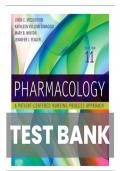
TEST BANK r
RAU’s Respiratory Care Pharmacology
r r r
9TH EDITIONr
BY GARDENHIRE
r
TESTBANK r
,Description
Test Bank for Rau’s Respiratory Care Pharmacology 9th Edition Gardenhire
r r r r r r r r r
Test Bank for Rau’s Respiratory Care Pharmacology, 9th Edition, Gardenhire, ISBN-
r r r r r r r r r r
10: 0323299687, ISBN-13: 9780323299688
r r r
Table of Contents
r r
Unit I: Basic Concepts and Principles in Pharmacology
r r r r r r r
1. Introduction to Respiratory Care Pharmacology
r r r r r
2. Principles of Drug Action
r r r r
3. Administration of Aerosolized Agents
r r r r
4. Calculating Drug Doses
r r r
5. The Central and Peripheral Nervous Systems
r r r r r r
Unit II: Drugs Used to Treat the Respiratory System
r r r r r r r r
6. Adrenergic (Sympathomimetic) Bronchodilators
r r r
7. Anticholinergic (Parasympatholytic) Bronchodilators
r r r
8. Xanthines
r
9. Mucus-Controlling Drug Therapy
r r r
10. Surfactant Agents
r r
11. Corticosteriods in Respiratory Care
r r r r
12. Nonsteroidal Antiasthma Agents
r r r
13. Aerosolized Antiinfective Agents
r r r
14. Antimicrobial Agents
r r
15. Cold and Cough Agents
r r r r
16. Selected Agents of Pulmonary Value
r r r r r
17. Neonatal and Pediatric Aerosolized Drug Therapy
r r r r r r
Unit III: Critical Care, Cardiovascular, and Polysomnography Agents
r r r r r r r
18. Skeletal Muscle Relaxants (Neuromuscular Blocking Agents)
r r r r r r
19. Diuretic Agents
r r
20. Drugs Affecting the Central Nervous System
r r r r r r
21. Vasopressors, Inotropes, and Antiarrythmic Agents
r r r r r
22. Drugs Affecting Circulation: Antihypertensives, Antianginals, Antithrombotics
r r r r r r
23. Sleep and Sleep Pharmacology
r r r r
,Chapter 01: Introduction to Respiratory Care Pharmacology Gardenhire:
r r r r r r r r
Rau’s Respiratory Care Pharmacology, 9th Edition
r r r r r
MULTIPLE CHOICE r
1. What is the name of the receptor sites that are located in the peripheral vasculature, the heart, bronchial musc
r r r r r r r r r r r r r r r r r r
le, and bronchial blood vessels?
r r r r
a. Beta 2 receptors r r c. Alpha receptors r
b. Gamma receptors d. Beta 1 receptors
r r r r r
ANS: C r
Alpha receptors are located in the peripheral vasculature, the heart, bronchial muscle, and bronchial blood
r r r r r r r r r r r r r r r
vessels.
PTS: 1 r
2. Which receptor site results in tachycardia, an increased potential for arrhythmias, and an increased card
r r r r r r r r r r r r r r
iac output? r
a. Beta 1 receptor r r c. Alpha receptor r
b. Beta 2 receptor r r d. Delta receptor r r
ANS: A r
Stimulation of the beta- r r r
1 receptors results in tachycardia, an increased potential for arrhythmias, and an increased cardiac output. I
r r r r r r r r r r r r r r r
n administering drugs to the pulmonary system, stimulation of the beta-
r r r r r r r r r r
1 sites is not desired. However, most respiratory pharmacologic agents have some beta-
r r r r r r r r r r r r
1 stimulatory effect.
r r
PTS: 1 r
3. Stimulation of the beta 2 receptors causes r r r r r r r
a. peripheral vasoconstriction and mild bronchoconstriction in the lungs.
r r r r r r r
b. tachycardia, an increased potential for arrhythmias, and an increased cardiac output.
r r r r r r r r r r
c. bronchodilation.
d. peripheral vasodilation, bradycardia, and decreased cardiac output.
r r r r r r
ANS: C r
Stimulation of the beta-2 receptors in the lungs causes bronchodilation.
r r r r r r r r r
PTS: 1 r
4. Acetylcholine stimulates r r
a. the Vagus nerve. r r
b. the adrenergic receptors. r r
c. the sympathetic nervous system.
r r r
d. the cholinergic receptors.r r
ANS: D r
Acetylcholine stimulates the cholinergic receptors. r r r r
PTS: 1 r
5. What immunoglobulin antibody sensitizes the mast cell?
r r r r r r
a. Leukotrienes c. Histamine
, b. IgE d. Prostaglandins
r
ANS: B r
The IgE (reagin) antibodies sensitize the mast cell. Repeated exposure to the antigen causes the degranulati
r r r r r r r r r r r r r r r
on of the mast cell.
r r r r
PTS: 1 r
6. Which of the following is caused by histamine release from the mast cells?
r r r r r r r r r r r r
I. Bronchodilation
II. Increased bronchial gland secretion r r r
III. Increased amount of mucus present in the airways r r r r r r r
a. I and II only r c. III only
r r r
b. II and III only r d. I, II, III
r r r r r r
ANS: B r
Histamine is also a potent bronchoconstrictor. In addition to its bronchoconstrictive activity, histamine
r r r r r r r r r r r r
II) increases bronchial gland secretion, causing III) an increase in the amount of mucus present in
r r r r r r r r r r r r r r r r
the airways. Histamine may also have an effect on vascular permeability similar to the effect of- SRS-A.
r r r r r r r r r r r r r r r r
PTS: 1 r
7. A sympathomimetic drug would cause
r r r r r
a. bronchodilation. c. Histamine release. r
b. bronchoconstriction. d. Vagus nerve stimulation.
r r r
ANS: A r
A sympathomimetic drug would cause bronchodilation. Sympathomimetic agents are the drugs most commonly us
r r r r r r r r r r r r r
ed to reverse bronchospasm.
r r r
PTS: 1 r
8. Stimulation of the sympathetic nervous system causes r r r r r r r
a. vascular permeability. c. bronchodilation. r
b. decreased blood pressure. d. bronchoconstriction. r r r
ANS: C r
Sympathetic nervous system stimulation causes bronchodilation. r r r r r
PTS: 1 r
9. Which of the following would NOT cause a bronchospasm or bronchoconstriction?
r r r r r r r r r r
a. Leukotrienes c. Histamine
b. Beta 1 receptors d. Prostaglandins
r r r
ANS: B r
Beta-
1 receptors would not cause a bronchospasm or bronchoconstriction. Leukotrienes are one of many ch
r r r r r r r r r r r r r r
emical mediators released by the mast cells. Leukotrienes cause a direct, strong bronchoconstriction. Hista
r r r r r r r r r r r r r
mine is also a potent bronchoconstrictor. Prostaglandins cause a strong bronchospasm, especially in asthm
r r r r r r r r r r r r r
atic patients. r
PTS: 1 r
RAU’s Respiratory Care Pharmacology
r r r
9TH EDITIONr
BY GARDENHIRE
r
TESTBANK r
,Description
Test Bank for Rau’s Respiratory Care Pharmacology 9th Edition Gardenhire
r r r r r r r r r
Test Bank for Rau’s Respiratory Care Pharmacology, 9th Edition, Gardenhire, ISBN-
r r r r r r r r r r
10: 0323299687, ISBN-13: 9780323299688
r r r
Table of Contents
r r
Unit I: Basic Concepts and Principles in Pharmacology
r r r r r r r
1. Introduction to Respiratory Care Pharmacology
r r r r r
2. Principles of Drug Action
r r r r
3. Administration of Aerosolized Agents
r r r r
4. Calculating Drug Doses
r r r
5. The Central and Peripheral Nervous Systems
r r r r r r
Unit II: Drugs Used to Treat the Respiratory System
r r r r r r r r
6. Adrenergic (Sympathomimetic) Bronchodilators
r r r
7. Anticholinergic (Parasympatholytic) Bronchodilators
r r r
8. Xanthines
r
9. Mucus-Controlling Drug Therapy
r r r
10. Surfactant Agents
r r
11. Corticosteriods in Respiratory Care
r r r r
12. Nonsteroidal Antiasthma Agents
r r r
13. Aerosolized Antiinfective Agents
r r r
14. Antimicrobial Agents
r r
15. Cold and Cough Agents
r r r r
16. Selected Agents of Pulmonary Value
r r r r r
17. Neonatal and Pediatric Aerosolized Drug Therapy
r r r r r r
Unit III: Critical Care, Cardiovascular, and Polysomnography Agents
r r r r r r r
18. Skeletal Muscle Relaxants (Neuromuscular Blocking Agents)
r r r r r r
19. Diuretic Agents
r r
20. Drugs Affecting the Central Nervous System
r r r r r r
21. Vasopressors, Inotropes, and Antiarrythmic Agents
r r r r r
22. Drugs Affecting Circulation: Antihypertensives, Antianginals, Antithrombotics
r r r r r r
23. Sleep and Sleep Pharmacology
r r r r
,Chapter 01: Introduction to Respiratory Care Pharmacology Gardenhire:
r r r r r r r r
Rau’s Respiratory Care Pharmacology, 9th Edition
r r r r r
MULTIPLE CHOICE r
1. What is the name of the receptor sites that are located in the peripheral vasculature, the heart, bronchial musc
r r r r r r r r r r r r r r r r r r
le, and bronchial blood vessels?
r r r r
a. Beta 2 receptors r r c. Alpha receptors r
b. Gamma receptors d. Beta 1 receptors
r r r r r
ANS: C r
Alpha receptors are located in the peripheral vasculature, the heart, bronchial muscle, and bronchial blood
r r r r r r r r r r r r r r r
vessels.
PTS: 1 r
2. Which receptor site results in tachycardia, an increased potential for arrhythmias, and an increased card
r r r r r r r r r r r r r r
iac output? r
a. Beta 1 receptor r r c. Alpha receptor r
b. Beta 2 receptor r r d. Delta receptor r r
ANS: A r
Stimulation of the beta- r r r
1 receptors results in tachycardia, an increased potential for arrhythmias, and an increased cardiac output. I
r r r r r r r r r r r r r r r
n administering drugs to the pulmonary system, stimulation of the beta-
r r r r r r r r r r
1 sites is not desired. However, most respiratory pharmacologic agents have some beta-
r r r r r r r r r r r r
1 stimulatory effect.
r r
PTS: 1 r
3. Stimulation of the beta 2 receptors causes r r r r r r r
a. peripheral vasoconstriction and mild bronchoconstriction in the lungs.
r r r r r r r
b. tachycardia, an increased potential for arrhythmias, and an increased cardiac output.
r r r r r r r r r r
c. bronchodilation.
d. peripheral vasodilation, bradycardia, and decreased cardiac output.
r r r r r r
ANS: C r
Stimulation of the beta-2 receptors in the lungs causes bronchodilation.
r r r r r r r r r
PTS: 1 r
4. Acetylcholine stimulates r r
a. the Vagus nerve. r r
b. the adrenergic receptors. r r
c. the sympathetic nervous system.
r r r
d. the cholinergic receptors.r r
ANS: D r
Acetylcholine stimulates the cholinergic receptors. r r r r
PTS: 1 r
5. What immunoglobulin antibody sensitizes the mast cell?
r r r r r r
a. Leukotrienes c. Histamine
, b. IgE d. Prostaglandins
r
ANS: B r
The IgE (reagin) antibodies sensitize the mast cell. Repeated exposure to the antigen causes the degranulati
r r r r r r r r r r r r r r r
on of the mast cell.
r r r r
PTS: 1 r
6. Which of the following is caused by histamine release from the mast cells?
r r r r r r r r r r r r
I. Bronchodilation
II. Increased bronchial gland secretion r r r
III. Increased amount of mucus present in the airways r r r r r r r
a. I and II only r c. III only
r r r
b. II and III only r d. I, II, III
r r r r r r
ANS: B r
Histamine is also a potent bronchoconstrictor. In addition to its bronchoconstrictive activity, histamine
r r r r r r r r r r r r
II) increases bronchial gland secretion, causing III) an increase in the amount of mucus present in
r r r r r r r r r r r r r r r r
the airways. Histamine may also have an effect on vascular permeability similar to the effect of- SRS-A.
r r r r r r r r r r r r r r r r
PTS: 1 r
7. A sympathomimetic drug would cause
r r r r r
a. bronchodilation. c. Histamine release. r
b. bronchoconstriction. d. Vagus nerve stimulation.
r r r
ANS: A r
A sympathomimetic drug would cause bronchodilation. Sympathomimetic agents are the drugs most commonly us
r r r r r r r r r r r r r
ed to reverse bronchospasm.
r r r
PTS: 1 r
8. Stimulation of the sympathetic nervous system causes r r r r r r r
a. vascular permeability. c. bronchodilation. r
b. decreased blood pressure. d. bronchoconstriction. r r r
ANS: C r
Sympathetic nervous system stimulation causes bronchodilation. r r r r r
PTS: 1 r
9. Which of the following would NOT cause a bronchospasm or bronchoconstriction?
r r r r r r r r r r
a. Leukotrienes c. Histamine
b. Beta 1 receptors d. Prostaglandins
r r r
ANS: B r
Beta-
1 receptors would not cause a bronchospasm or bronchoconstriction. Leukotrienes are one of many ch
r r r r r r r r r r r r r r
emical mediators released by the mast cells. Leukotrienes cause a direct, strong bronchoconstriction. Hista
r r r r r r r r r r r r r
mine is also a potent bronchoconstrictor. Prostaglandins cause a strong bronchospasm, especially in asthm
r r r r r r r r r r r r r
atic patients. r
PTS: 1 r