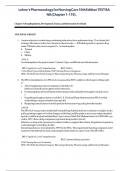
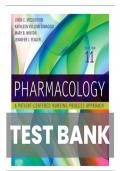
Lehne's Pharmacology for Nursing Care 10th Edition TEST BA f f f f f f f f
NK(Chapter 1-110). f
Chapter 3: Drug Regulation, Development, Names, and Information Test Bank
f f f f f f f f f
MULTIPLE CHOICE f
1. A nurse educator is conducting a continuing education class on pharmacology. To evaluate the l
f f f f f f f f f f f f f f
earning of the nurses in the class, the nurse educator asks, ―Which drug name is a generic drug
f f f f f f f f f f f f f f f f f f
name?‖ Which is the correct response? a. Acetaminophen
f f f f f f f
b. Tylenol
c. Cipro
d. Motrin
ANS: A f
Acetaminophen is the generic name. Tylenol, Cipro, and Motrin are all trade names. f f f f f f f f f f f f
DIF: Cognitive Level: Comprehension
f REF: Table 3- f f f f
3: The Three Types of Drug Names TOP: Nursing Process: Diagnosis
f f f f f f f f f f
MSC: NCLEX Client Needs Category: Physiologic Integrity: Pharmacologic and Parenteral Therapies
f f f f f f f f f f
2. The FDA Amendments Act (FDAAA) was passed in 2007 to address which aspect of drug safet
f f f f f f f f f f f f f f f
y?
a. Allowing pharmaceutical companies to identify off- f f f f f
label uses of medications approved for other uses
f f f f f f f
b. Evaluating drug safety information that emerges after a drug has been approved and is in us f f f f f f f f f f f f f f f
e
c. Expediting the approval process of the U.S. Food and Drug Administration (FDA) so that f f f f f f f f f f f f f f
needed drugs can get to market more quickly f f f f f f f
d. Requiring manufacturers to notify patients before removing a drug from the market f f f f f f f f f f f
ANS: B f
The FDAAA was passed to enable the Food and Drug Administration to continue oversight of a dru
f f f f f f f f f f f f f f f f
g after granting it approval so that changes in labeling could be made as necessary and postmarketi
f f f f f f f f f f f f f f f f
ng risks could be tracked and identified. A provision of the FDA Modernization Act (FDAMA), pa
f f f f f f f f f f f f f f f
ssed in 1997, allows drug companies to promote their products for off-
f f f f f f f f f f f
label uses as long as they promise to conduct studies to support their claims. Regulations to permit a
f f f f f f f f f f f f f f f f f
ccelerated approval of drugs for life- f f f f f
threatening diseases were adopted in 1992 by the FDA. The requirement that drug companies notif
f f f f f f f f f f f f f f
y patients 6 months before removing a drug from the market is a provision of the FDAMA.
f f f f f f f f f f f f f f f f
DIF: Cognitive Level: Comprehension
f f f
REF: Landmark Drug Legislation f f f f
TOP: Nursing Process: Evaluation f f f
MSC: NCLEX Client Needs Category: Physiologic Integrity: Pharmacologic and Parenteral Therapies
f f f f f f f f f f
,Test Bank Lehne's Pharmacology for Nursing Care, 11th Editio
f f f f f f f f
n by Jacqueline Burchum, Laura Rosenthal Chapter 1-
f f f f f f f
112|Complete Guide A+ f f f
3. A nursing student asks a nurse about pharmaceutical research and wants to know the purpose of ra
f f f f f f f f f f f f f f f f
ndomization in drug trials. The nurse explains that randomization is used to:
f f f f f f f f f f f
a. ensure that differences in outcomes are the result of treatment and not differences in subj
f f f f f f f f f f f f f f
ects.
b. compare the outcome caused by the treatment to the outcome caused by no treatment.
f f f f f f f f f f f f f
,Lehne's Pharmacology for Nursing Care 10th Edition TEST BA f f f f f f f f
NK(Chapter 1-110). f
c. make sure that researchers are unaware of which subjects are in which group.
f f f f f f f f f f f f
d. prevent subjects from knowing which group they are in and prevent preconception bias
f f f f f f f f f f f f
.
ANS: A f
Randomization helps prevent allocation bias, which can occur when researchers place subjects wit f f f f f f f f f f f f
h desired characteristics in the study group and other subjects in the control group so that difference
f f f f f f f f f f f f f f f f
s in outcome are actually the result of differences in subjects and not treatment.
f f f f f f f f f f f f f
Comparing treatment outcome to no treatment outcome is the definition of a controlled study. The l
f f f f f f f f f f f f f f f
ast two options describe the use of blinding in studies; blinding ensures that researchers or subjects
f f f f f f f f f f f f f f f f
(or both) are unaware of which subjects are in which group so that preconceptions about benefits an
f f f f f f f f f f f f f f f f
d risks cannot bias the results.
f f f f f
DIF: Cognitive Level: Comprehension
f f f
REF: The Randomized Drug Trial f f f f f
TOP: Nursing Process: Implementation
f f f
MSC: NCLEX Client Needs Category: Physiologic Integrity: Pharmacologic and Parenteral Therapies
f f f f f f f f f f
4. Someone asks a nurse about a new drug that is in preclinical testing and wants to know why it canno
f f f f f f f f f f f f f f f f f f f
t be used to treat a friend‘s illness. Which statement by the nurse is correct?
f f f f f f f f f f f f f f
a. ―A drug at this stage of development can be used only in patients with serious disease.‖
f f f f f f f f f f f f f f f
b. ―At this stage of drug development, the safety and usefulness of the medication is unk
f f f f f f f f f f f f f f
nown.‖
c. ―Clinical trials must be completed to make sure the drug is safe to use in humans.‖ f f f f f f f f f f f f f f f
d. ―Until postmarketing surveillance data are available, the drug cannot be used.‖ f f f f f f f f f f
ANS: B f
Preclinical testing must be completed before drugs can be tested in humans. In this stage, drugs ar
f f f f f f f f f f f f f f f f
e evaluated for toxicities, pharmacokinetic properties, and potentially useful effects. Some drugs
f f f f f f f f f f f f
can be used in patients before completion of Phase III studies, but this is after preclinical testing is
f f f f f f f f f f f f f f f f f f
complete. Clinical trials proceed in stages, and each stage has guidelines defining how a new drug
f f f f f f f f f f f f f f f f
may be used and which patients may receive it. Postmarketing surveillance takes place after a dru
f f f f f f f f f f f f f f f
g is in general use.
f f f f
DIF: Cognitive Level: Comprehension
f f f
REF: Landmark Drug Legislation | Stages of Drug Development TOP:
f f f f f f f f f f
Nursing Process: Implementation f f
MSC: NCLEX Client Needs Category: Physiologic Integrity: Reduction of Risk Potential
f f f f f f f f f f
5. A patient asks a nurse why drugs that have been approved by the FDA still have unknown side e
f f f f f f f f f f f f f f f f f f
ffects. The nurse tell the patient that: f f f f f f
a. testing for all side effects of a medication would be prohibitively expensive.
f f f f f f f f f f f
b. patients in drug trials often are biased by their preconceptions of a drug‘s benefits.
f f f f f f f f f f f f f
c. researchers tend to conduct studies that will prove the benefits of their new drugs. f f f f f f f f f f f f f
d. subjects in drug trials do not always represent the full spectrum of possible patients.
f f f f f f f f f f f f f
, Test Bank Lehne's Pharmacology for Nursing Care, 11th Editio
f f f f f f f f
n by Jacqueline Burchum, Laura Rosenthal Chapter 1-
f f f f f f f
112|Complete Guide A+ f f f
ANS: D f
All drug trials are limited by a relatively small group of subjects who may not have all the characteri
f f f f f f f f f f f f f f f f f f
stics of people who will be using the drug; therefore, some side effects go undetected until the drug
f f f f f f f f f f f f f f f f f f
is in use. Although drug trials are very expensive, this is only an indirect reason they do not detect al
f f f f f f f f f f f f f f f f f f f
l side effects before approval. In theory, well-
f f f f f f f
designed drug trials, using blinded studies, minimize or eliminate subject bias. Designing studies t
f f f f f f f f f f f f f
o prove desired results is unethical.
f f f f f
DIF: Cognitive Level: Analysis f f f
REF: Failure to Detect All Adverse Effects T f f f f f f f
OP: Nursing Process: Implementation
f f f
MSC: NCLEX Client Needs Category: Physiologic Integrity: Pharmacologic and Parenteral Therapies
f f f f f f f f f f
6. A nurse is teaching nursing students about the use of nonproprietary names for drugs. The nurs
f f f f f f f f f f f f f f f
e tells them which fact about nonproprietary names?
f f f f f f f
a. They are approved by the FDA and are easy to remember. f f f f f f f f f f
b. They are assigned by the U.S. Adopted Names Council. f f f f f f f f
c. They clearly identify the drug‘s pharmacological classification. f f f f f f
d. They imply the efficacy of the drug and are less complex. f f f f f f f f f f
ANS: B f
Nonproprietary, or generic, names are assigned by the U.S. Adopted Names Council, which ensur f f f f f f f f f f f f f
es that each drug has only one name. Trade names, or brand names, are approved by the FDA and ar
f f f f f f f f f f f f f f f f f f f
e easier to remember. Some nonproprietary names contain syllables that identify the classification
f f f f f f f f f f f f
, although not all do. Drug names are not supposed to identify the use for the drug, although some br
f f f f f f f f f f f f f f f f f f f
and names do so. f f f
DIF: Cognitive Level: Comprehension REF: Drug Names: The Three Types of Drug Names TOP: Nursing Pr
f f f f f f f f f f f f f f f
ocess: Diagnosis f
MSC: NCLEX Client Needs Category: Physiologic Integrity: Reduction of Risk Potential
f f f f f f f f f f
Chapter 1: Orientation to Pharmacology T
f f f f f
est Bank
f
MULTIPLE CHOICE f
1. The nurse is teaching a patient how a medication works to treat an illness. To do this, the nurse
f f f f f f f f f f f f f f f f f f f
will rely on knowledge of: a. clinical pharmacology.
f f f f f f f
b. drug efficacy. f
c. pharmacokinetics.
d. pharmacotherapeutics.
ANS: D f
NK(Chapter 1-110). f
Chapter 3: Drug Regulation, Development, Names, and Information Test Bank
f f f f f f f f f
MULTIPLE CHOICE f
1. A nurse educator is conducting a continuing education class on pharmacology. To evaluate the l
f f f f f f f f f f f f f f
earning of the nurses in the class, the nurse educator asks, ―Which drug name is a generic drug
f f f f f f f f f f f f f f f f f f
name?‖ Which is the correct response? a. Acetaminophen
f f f f f f f
b. Tylenol
c. Cipro
d. Motrin
ANS: A f
Acetaminophen is the generic name. Tylenol, Cipro, and Motrin are all trade names. f f f f f f f f f f f f
DIF: Cognitive Level: Comprehension
f REF: Table 3- f f f f
3: The Three Types of Drug Names TOP: Nursing Process: Diagnosis
f f f f f f f f f f
MSC: NCLEX Client Needs Category: Physiologic Integrity: Pharmacologic and Parenteral Therapies
f f f f f f f f f f
2. The FDA Amendments Act (FDAAA) was passed in 2007 to address which aspect of drug safet
f f f f f f f f f f f f f f f
y?
a. Allowing pharmaceutical companies to identify off- f f f f f
label uses of medications approved for other uses
f f f f f f f
b. Evaluating drug safety information that emerges after a drug has been approved and is in us f f f f f f f f f f f f f f f
e
c. Expediting the approval process of the U.S. Food and Drug Administration (FDA) so that f f f f f f f f f f f f f f
needed drugs can get to market more quickly f f f f f f f
d. Requiring manufacturers to notify patients before removing a drug from the market f f f f f f f f f f f
ANS: B f
The FDAAA was passed to enable the Food and Drug Administration to continue oversight of a dru
f f f f f f f f f f f f f f f f
g after granting it approval so that changes in labeling could be made as necessary and postmarketi
f f f f f f f f f f f f f f f f
ng risks could be tracked and identified. A provision of the FDA Modernization Act (FDAMA), pa
f f f f f f f f f f f f f f f
ssed in 1997, allows drug companies to promote their products for off-
f f f f f f f f f f f
label uses as long as they promise to conduct studies to support their claims. Regulations to permit a
f f f f f f f f f f f f f f f f f
ccelerated approval of drugs for life- f f f f f
threatening diseases were adopted in 1992 by the FDA. The requirement that drug companies notif
f f f f f f f f f f f f f f
y patients 6 months before removing a drug from the market is a provision of the FDAMA.
f f f f f f f f f f f f f f f f
DIF: Cognitive Level: Comprehension
f f f
REF: Landmark Drug Legislation f f f f
TOP: Nursing Process: Evaluation f f f
MSC: NCLEX Client Needs Category: Physiologic Integrity: Pharmacologic and Parenteral Therapies
f f f f f f f f f f
,Test Bank Lehne's Pharmacology for Nursing Care, 11th Editio
f f f f f f f f
n by Jacqueline Burchum, Laura Rosenthal Chapter 1-
f f f f f f f
112|Complete Guide A+ f f f
3. A nursing student asks a nurse about pharmaceutical research and wants to know the purpose of ra
f f f f f f f f f f f f f f f f
ndomization in drug trials. The nurse explains that randomization is used to:
f f f f f f f f f f f
a. ensure that differences in outcomes are the result of treatment and not differences in subj
f f f f f f f f f f f f f f
ects.
b. compare the outcome caused by the treatment to the outcome caused by no treatment.
f f f f f f f f f f f f f
,Lehne's Pharmacology for Nursing Care 10th Edition TEST BA f f f f f f f f
NK(Chapter 1-110). f
c. make sure that researchers are unaware of which subjects are in which group.
f f f f f f f f f f f f
d. prevent subjects from knowing which group they are in and prevent preconception bias
f f f f f f f f f f f f
.
ANS: A f
Randomization helps prevent allocation bias, which can occur when researchers place subjects wit f f f f f f f f f f f f
h desired characteristics in the study group and other subjects in the control group so that difference
f f f f f f f f f f f f f f f f
s in outcome are actually the result of differences in subjects and not treatment.
f f f f f f f f f f f f f
Comparing treatment outcome to no treatment outcome is the definition of a controlled study. The l
f f f f f f f f f f f f f f f
ast two options describe the use of blinding in studies; blinding ensures that researchers or subjects
f f f f f f f f f f f f f f f f
(or both) are unaware of which subjects are in which group so that preconceptions about benefits an
f f f f f f f f f f f f f f f f
d risks cannot bias the results.
f f f f f
DIF: Cognitive Level: Comprehension
f f f
REF: The Randomized Drug Trial f f f f f
TOP: Nursing Process: Implementation
f f f
MSC: NCLEX Client Needs Category: Physiologic Integrity: Pharmacologic and Parenteral Therapies
f f f f f f f f f f
4. Someone asks a nurse about a new drug that is in preclinical testing and wants to know why it canno
f f f f f f f f f f f f f f f f f f f
t be used to treat a friend‘s illness. Which statement by the nurse is correct?
f f f f f f f f f f f f f f
a. ―A drug at this stage of development can be used only in patients with serious disease.‖
f f f f f f f f f f f f f f f
b. ―At this stage of drug development, the safety and usefulness of the medication is unk
f f f f f f f f f f f f f f
nown.‖
c. ―Clinical trials must be completed to make sure the drug is safe to use in humans.‖ f f f f f f f f f f f f f f f
d. ―Until postmarketing surveillance data are available, the drug cannot be used.‖ f f f f f f f f f f
ANS: B f
Preclinical testing must be completed before drugs can be tested in humans. In this stage, drugs ar
f f f f f f f f f f f f f f f f
e evaluated for toxicities, pharmacokinetic properties, and potentially useful effects. Some drugs
f f f f f f f f f f f f
can be used in patients before completion of Phase III studies, but this is after preclinical testing is
f f f f f f f f f f f f f f f f f f
complete. Clinical trials proceed in stages, and each stage has guidelines defining how a new drug
f f f f f f f f f f f f f f f f
may be used and which patients may receive it. Postmarketing surveillance takes place after a dru
f f f f f f f f f f f f f f f
g is in general use.
f f f f
DIF: Cognitive Level: Comprehension
f f f
REF: Landmark Drug Legislation | Stages of Drug Development TOP:
f f f f f f f f f f
Nursing Process: Implementation f f
MSC: NCLEX Client Needs Category: Physiologic Integrity: Reduction of Risk Potential
f f f f f f f f f f
5. A patient asks a nurse why drugs that have been approved by the FDA still have unknown side e
f f f f f f f f f f f f f f f f f f
ffects. The nurse tell the patient that: f f f f f f
a. testing for all side effects of a medication would be prohibitively expensive.
f f f f f f f f f f f
b. patients in drug trials often are biased by their preconceptions of a drug‘s benefits.
f f f f f f f f f f f f f
c. researchers tend to conduct studies that will prove the benefits of their new drugs. f f f f f f f f f f f f f
d. subjects in drug trials do not always represent the full spectrum of possible patients.
f f f f f f f f f f f f f
, Test Bank Lehne's Pharmacology for Nursing Care, 11th Editio
f f f f f f f f
n by Jacqueline Burchum, Laura Rosenthal Chapter 1-
f f f f f f f
112|Complete Guide A+ f f f
ANS: D f
All drug trials are limited by a relatively small group of subjects who may not have all the characteri
f f f f f f f f f f f f f f f f f f
stics of people who will be using the drug; therefore, some side effects go undetected until the drug
f f f f f f f f f f f f f f f f f f
is in use. Although drug trials are very expensive, this is only an indirect reason they do not detect al
f f f f f f f f f f f f f f f f f f f
l side effects before approval. In theory, well-
f f f f f f f
designed drug trials, using blinded studies, minimize or eliminate subject bias. Designing studies t
f f f f f f f f f f f f f
o prove desired results is unethical.
f f f f f
DIF: Cognitive Level: Analysis f f f
REF: Failure to Detect All Adverse Effects T f f f f f f f
OP: Nursing Process: Implementation
f f f
MSC: NCLEX Client Needs Category: Physiologic Integrity: Pharmacologic and Parenteral Therapies
f f f f f f f f f f
6. A nurse is teaching nursing students about the use of nonproprietary names for drugs. The nurs
f f f f f f f f f f f f f f f
e tells them which fact about nonproprietary names?
f f f f f f f
a. They are approved by the FDA and are easy to remember. f f f f f f f f f f
b. They are assigned by the U.S. Adopted Names Council. f f f f f f f f
c. They clearly identify the drug‘s pharmacological classification. f f f f f f
d. They imply the efficacy of the drug and are less complex. f f f f f f f f f f
ANS: B f
Nonproprietary, or generic, names are assigned by the U.S. Adopted Names Council, which ensur f f f f f f f f f f f f f
es that each drug has only one name. Trade names, or brand names, are approved by the FDA and ar
f f f f f f f f f f f f f f f f f f f
e easier to remember. Some nonproprietary names contain syllables that identify the classification
f f f f f f f f f f f f
, although not all do. Drug names are not supposed to identify the use for the drug, although some br
f f f f f f f f f f f f f f f f f f f
and names do so. f f f
DIF: Cognitive Level: Comprehension REF: Drug Names: The Three Types of Drug Names TOP: Nursing Pr
f f f f f f f f f f f f f f f
ocess: Diagnosis f
MSC: NCLEX Client Needs Category: Physiologic Integrity: Reduction of Risk Potential
f f f f f f f f f f
Chapter 1: Orientation to Pharmacology T
f f f f f
est Bank
f
MULTIPLE CHOICE f
1. The nurse is teaching a patient how a medication works to treat an illness. To do this, the nurse
f f f f f f f f f f f f f f f f f f f
will rely on knowledge of: a. clinical pharmacology.
f f f f f f f
b. drug efficacy. f
c. pharmacokinetics.
d. pharmacotherapeutics.
ANS: D f