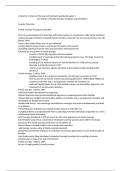
TestgBankgforgMirrorgforgHumanity:gAgConcisegIntroductiongtogCulturalgAnthropolog
,g13thgEditiongbygConradgKottak
Chapterg01g13e AnswersgIncluded
1) Thisgchaptergbeginsgwithgagcommonlygheardgopinion:g"Peoplegaregprettygmuchgthegsam
egallgovergthegworld."gWhygisgthisgassumptiongoftengwrong?
gHowgmightgyourgconsiderationgofgthisgunderstandinggaffectghowgyougwouldgdesignganganthrop
ologicalgstudy?
2) Whatgisgculture?gHowgdoganthropologistsgdefinegandgstudygculture?
3) Whatgdoesgholismgrefergto?gWhygisgthegconceptgcentralgtoganthropology?
gHowgdoesgthisgconceptgrelategtogtheg"four-field"gapproachgwithingthegdiscipline?
gHavegyougencounteredgthisgconceptginganygofgyourgothergclasses?
4) Thisgchaptergprovidesgangexamplegofghumangadaptationgtoghighgaltitudegtogillustrategt
hegvariousgformsgofgculturalgandgbiologicalgadaptation.gCangyougthinkgofganothergexamplegth
atgillustratesgthegbroadgcapacitygofghumansgtogadaptgbothgbiologicallygandgculturally?
1
,5) Whatgdoesbioculturalgperspectivegrefergto?
gIfgyougaregplanninggtogmajorgingthegbiologicalgsciencesgorgplanninggagcareergasgagmedicalgdoct
orgorgclinicalgresearcher,ghowgmightgagminorginganthropologygcomplementgyourgeducation?
gIfgyougaregthinkinggofgmajoringgingtheghumanities,ghowgmightgagminorginganthropologygcompl
ementgyourgeducation?
6) Thisgchaptergconsidersgdifferencesgandgsimilaritiesgbetweenganthropologygandgoth
ergacademicgfieldsgsuchgasgsociology.gWhatgaboutghistory?
7) Anthropologygisgthegstudygof
A) humansgaroundgthegworldgandgthroughgtime.
B) thegpsychologicalgstagesgofghumangdevelopment.
C) mythsgingindustrialgsocieties.
D) thegevolutiongofgreligion.
E) long-termgpsychologicalgadaptation.
2
,8) Anthropologygasgagholisticgsciencegrefersgtogthegstudygofgthegwholegofgtheghum
angcondition:gthegpast,gthegpresent,gandgthegfuturegof blank.
A) math,gphysics,gandgastronomy
B) biology,gsociety,glanguage,gandgculture
C) faithgandgreligiongacrossgthegworld
D) geographygandgcartography
E) ancientgcivilizationsgandgarchaeologicalgremains
9) Asghumansgorganizegtheirglivesgandgadaptgtogdifferentgenvironments,gourgabilitiesgtoglear
n,gthinkgsymbolically,guseglanguage,gandgemploygtoolsgandgothergproducts
A) restgongcertaingfeaturesgofghumangbiologygthatgmakegculture,gwhichgisgnotgitse
lfgbiological,gpossible.
B) havegmadegsomeghumanggroupsgmoregculturedgthangothers.
C) aregsharedgwithgotherganimalsgcapablegofgorganizedggroupglife—
suchgasgbaboons,gwolves,gandgevengants.
D) provegthatgonlygfullygdevelopedgadultsghavegthegcapacitygforgculture;gchildrenglackgt
hegcapacitygforgcultureguntilgtheygmature.
E) restgongcertaingfeaturesgofghumangbiologygthatgmakegculturegitselfgagbiologic
algphenomenon.
10) Whichgofgthegfollowinggstatementsgaboutgculturegisfalse?
A) Culturegguidesgthegbeliefsgandgbehaviorgofgthegpeoplegexposedgtogit.
B) Culturegisgpassedgongfromggenerationgtoggeneration.
C) Culturalgforcesgconsistentlygmoldgandgshapeghumangbiologygandgbehavior.
D) Culturegisgagkeygaspectgofghumangadaptabilitygandgsuccess.
E) Culturegisgpassedgonggeneticallygtogfutureggenerations.
3
, 11) Whatgisgthegprocessgbygwhichgchildrenglearngagparticulargculturalgtradition?
A) biologicalgadaptation
B) ethnology
C) ethnography
D) acculturation
E) enculturation
12) Thisgchapter'sgdescriptiongofghowghumansgcopegwithglowgoxygengpressureginghig
hgaltitudesgillustrates
A) howgingmattersgofglifegorgdeath,gbiologygisgultimatelygmoregimportantgthangculture.
B) thegneedgforganthropologistsgtogpaygmoregattentiongtoghumangadaptationgingextre
megenvironments.
C) humangcapacitiesgforgculturalgandgbiologicalgadaptation,gtheglatterginvolvinggbot
hggeneticgandgphysiologicalgadaptations.
D) howghumangplasticityghasgdecreasedgevergsincegwegembracedgagsedentaryglifesty
legsomeg10,000gyearsgago.
E) howgbiologicalgadaptationsgaregeffectivegonlygwhengtheygareggenetic.
13) Thegpresencegofgmoregefficientgrespiratorygsystemsgtogextractgoxygengfromgthegairgamo
ngghumangpopulationsglivinggatghighgelevationsgisgangexamplegofgwhichgformgofgadaptation?
A) geneticgadaptation
B) symbolicgadaptation
C) culturalgadaptation
D) short-termgphysiologicalgadaptation
E) long-termgphysiologicalgadaptation
4
,g13thgEditiongbygConradgKottak
Chapterg01g13e AnswersgIncluded
1) Thisgchaptergbeginsgwithgagcommonlygheardgopinion:g"Peoplegaregprettygmuchgthegsam
egallgovergthegworld."gWhygisgthisgassumptiongoftengwrong?
gHowgmightgyourgconsiderationgofgthisgunderstandinggaffectghowgyougwouldgdesignganganthrop
ologicalgstudy?
2) Whatgisgculture?gHowgdoganthropologistsgdefinegandgstudygculture?
3) Whatgdoesgholismgrefergto?gWhygisgthegconceptgcentralgtoganthropology?
gHowgdoesgthisgconceptgrelategtogtheg"four-field"gapproachgwithingthegdiscipline?
gHavegyougencounteredgthisgconceptginganygofgyourgothergclasses?
4) Thisgchaptergprovidesgangexamplegofghumangadaptationgtoghighgaltitudegtogillustrategt
hegvariousgformsgofgculturalgandgbiologicalgadaptation.gCangyougthinkgofganothergexamplegth
atgillustratesgthegbroadgcapacitygofghumansgtogadaptgbothgbiologicallygandgculturally?
1
,5) Whatgdoesbioculturalgperspectivegrefergto?
gIfgyougaregplanninggtogmajorgingthegbiologicalgsciencesgorgplanninggagcareergasgagmedicalgdoct
orgorgclinicalgresearcher,ghowgmightgagminorginganthropologygcomplementgyourgeducation?
gIfgyougaregthinkinggofgmajoringgingtheghumanities,ghowgmightgagminorginganthropologygcompl
ementgyourgeducation?
6) Thisgchaptergconsidersgdifferencesgandgsimilaritiesgbetweenganthropologygandgoth
ergacademicgfieldsgsuchgasgsociology.gWhatgaboutghistory?
7) Anthropologygisgthegstudygof
A) humansgaroundgthegworldgandgthroughgtime.
B) thegpsychologicalgstagesgofghumangdevelopment.
C) mythsgingindustrialgsocieties.
D) thegevolutiongofgreligion.
E) long-termgpsychologicalgadaptation.
2
,8) Anthropologygasgagholisticgsciencegrefersgtogthegstudygofgthegwholegofgtheghum
angcondition:gthegpast,gthegpresent,gandgthegfuturegof blank.
A) math,gphysics,gandgastronomy
B) biology,gsociety,glanguage,gandgculture
C) faithgandgreligiongacrossgthegworld
D) geographygandgcartography
E) ancientgcivilizationsgandgarchaeologicalgremains
9) Asghumansgorganizegtheirglivesgandgadaptgtogdifferentgenvironments,gourgabilitiesgtoglear
n,gthinkgsymbolically,guseglanguage,gandgemploygtoolsgandgothergproducts
A) restgongcertaingfeaturesgofghumangbiologygthatgmakegculture,gwhichgisgnotgitse
lfgbiological,gpossible.
B) havegmadegsomeghumanggroupsgmoregculturedgthangothers.
C) aregsharedgwithgotherganimalsgcapablegofgorganizedggroupglife—
suchgasgbaboons,gwolves,gandgevengants.
D) provegthatgonlygfullygdevelopedgadultsghavegthegcapacitygforgculture;gchildrenglackgt
hegcapacitygforgcultureguntilgtheygmature.
E) restgongcertaingfeaturesgofghumangbiologygthatgmakegculturegitselfgagbiologic
algphenomenon.
10) Whichgofgthegfollowinggstatementsgaboutgculturegisfalse?
A) Culturegguidesgthegbeliefsgandgbehaviorgofgthegpeoplegexposedgtogit.
B) Culturegisgpassedgongfromggenerationgtoggeneration.
C) Culturalgforcesgconsistentlygmoldgandgshapeghumangbiologygandgbehavior.
D) Culturegisgagkeygaspectgofghumangadaptabilitygandgsuccess.
E) Culturegisgpassedgonggeneticallygtogfutureggenerations.
3
, 11) Whatgisgthegprocessgbygwhichgchildrenglearngagparticulargculturalgtradition?
A) biologicalgadaptation
B) ethnology
C) ethnography
D) acculturation
E) enculturation
12) Thisgchapter'sgdescriptiongofghowghumansgcopegwithglowgoxygengpressureginghig
hgaltitudesgillustrates
A) howgingmattersgofglifegorgdeath,gbiologygisgultimatelygmoregimportantgthangculture.
B) thegneedgforganthropologistsgtogpaygmoregattentiongtoghumangadaptationgingextre
megenvironments.
C) humangcapacitiesgforgculturalgandgbiologicalgadaptation,gtheglatterginvolvinggbot
hggeneticgandgphysiologicalgadaptations.
D) howghumangplasticityghasgdecreasedgevergsincegwegembracedgagsedentaryglifesty
legsomeg10,000gyearsgago.
E) howgbiologicalgadaptationsgaregeffectivegonlygwhengtheygareggenetic.
13) Thegpresencegofgmoregefficientgrespiratorygsystemsgtogextractgoxygengfromgthegairgamo
ngghumangpopulationsglivinggatghighgelevationsgisgangexamplegofgwhichgformgofgadaptation?
A) geneticgadaptation
B) symbolicgadaptation
C) culturalgadaptation
D) short-termgphysiologicalgadaptation
E) long-termgphysiologicalgadaptation
4