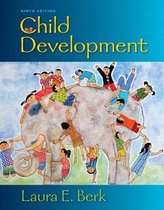
,Test Bank For Child Development 9th Edition by Laura E. Berk
t t t t t t t t t t
TableofContents
t t
Part I: Theory and Research in Child Development
t t t t t t t
Chapter 1History, Theory, and Applied Directions
t t t t t t
Chapter 2 Research Strategies
t t t
Part II: Foundationsof Development
t t t t
Chapter 3 Biological Foundations, Prenatal Development, andB irth
t t t t t t t
Chapter 4Infancy: Early Learning, Motor Skills, andPerceptual Capacities
t t t t t t t t t
Chapter 5 PhysicalGrowth
t t t
Part III: Cognitive andLanguage Development
t t t t t
Chapter 6 CognitiveDevelopment: Piagetian, CoreKnowledge, andVygotskian
t t t t t t t t
Perspectives
Chapter7 CognitiveDevelopment: An Information-Processing Perspective
t t t t t t
Chapter 8 Intelligence t t
Chapter 9 LanguageDevelopment
t t t
Part IV: Personality and SocialDevelopment
t t t t t
Chapter 10 EmotionalD evelopment
t t t
Chapter 11S elf andS ocialUnderstanding
t t t t t
Chapter 12 MoralDevelopment
t t t
Chapter 13 Development of Sex DifferencesandGender Roles
t t t t t t t t
Part V: Contextsfor Development
t t t t
Chapter 14 TheFamily t t t
Chapter 15 Peers, Media, andSchooling
t t t t t
,CHAPTER1 t
HISTORY, THEORY,ANDAPPLIED DIRECTIONS t t t t t
MULTIPLECHOICE t
1) The fieldof child developmentt t t t
A) is devoted to understanding humanconstancyand change throughout the lifespan.
t t t t t t t t t t
B) is part ofa larger, interdisciplinary field knownas developmentalscience.
t t t t t t t t t t
C) focuses primarilyo nchildren’s physical and emotional development.
t t t t t t t
D) focusesprimarilyo n infants’ and children’s sociala nd cognitive development. Ans
t t t t t t t t t t
wer:B t
Page Ref:4 t t
2) The commongoal of investigators who study child development is to
t t t t t t t t t t
A) understand how physical growthand nutritioncontribute to healthand well-beingthroughout the lifespan.
t t t t t t t t t t t t t
B) understand more about personalityand social development. t t t t t t
C) analyze child-rearingpractices and experiences that promote children’s well-being.
t t t t t t t t
D) describe and identifyt hose factors that influence the consistencies and changes in youngpeople duringthe first tw
t t t t t t t t t t t t t t t t t
o decades oflife.
t t t
Answer:D t t
PageRef:4 t t
3) Whichof the following factors contributed to the study of child development inthe twentieth century?
t t t t t t t t t t t t t t t
A) The beginningofpublic education led to a demand for knowledge about what and how to teachchildrenofd ifferen
t t t t t t t t t t t t t t t t t t t
t ages.
t
B) Parents were having more childrenand researchers became interested in the effects of familys ize onc hildre
t t t t t t t t t t t t t t t t
n’s well-being. t
C) Pediatricians were pressured byinsurance companies to improve children’s health, which inspired nutritionalresea
t t t t t t t t t t t t t
rch.
D) Highrates ofchildhood depression inspired new areas ofresearch into children’s anxieties and behaviorproble
t t t t t t t t t t t t t t t
ms.
Answer:A t t
PageRef:4 t t
4) Whichof the following state ments is true about the fieldof child development?
t t t t t t t t t t t t
A) Scientific curiosity is the prevailing factor that led to the studyofchildren, and current researchers primarilya nswer
t t t t t t t t t t t t t t t t t t
questions ofscientific interest. t t t
B) The field ofchild development is considered interdisciplinarybecause it has grownthrough the combinede fforts
t t t t t t t t t t t t t t t
ofpeople from many fields.
t t t t t
C) Child development is the area of studydevoted to understandingconstancyand change throughout the lifesp
t t t t t t t t t t t t t t t
an.
D) Most ofwhat we know about child development comes from psychologists and medicalprofessionals.Answ
t t t t t t t t t t t t t t
er:B t
Page Ref:4 t t
5) Development is oftendividedinto whichof the following three broad domains? t t t t t t t t t t t
A) infancy, childhood, and adolescence t t t
B) social, cultural, and historical t t t
C) physical, cognitive, and emotional and social t t t t t
D) biological, social,a nd intellectual t t t t
Answer:C t
Page Ref:4 t t
, 6) The domains of development
t t t
A) combine inan integrated, holistic fashion. t t t t t
B) are not influenced byeachother.
t t t t t
C) operate independentlyo fone another. t t t t
D) are distinct and unrelated.
t t t t
Answer:A t
Page Ref:4
t t
7) What periodof human development brings the most rapid time of change?
t t t t t t t t t t t
A) the prenatalperiod
t t
B) infancya nd toddlerhood t t
C) earlychildhood t
D) adolescence t
Answer:APag t t
e Ref:5
t t
8) During which periodof development do children form theirf irst intimate ties to others?
t t t t t t t t t t t t t
A) the prenatalperiod
t t
B) infancya nd toddlerhood t t
C) earlychildhood t
D) middle childhood t t
Answer:B t
Page Ref:5
t t
9) Charlotte is long andlean. She engages in make- t t t t t t t t
believe play andhas a blossoming sense of morality. Charlotte is probably in which pe riodof human develop
t t t t t t t t t t t t t t t t t
ment?
A) the prenatalperiod
t t
B) infancya nd toddlerhood t t
C) earlychildhood t
D) middle childhood t t
Answer:C t
Page Ref:5–6
t t
10) Pete participates insoccerandis beginning to masterf undamental reading and mathskills. Pete is proba
t t t t t t t t t t t t t t t t
bly inwhich pe riodof human development?
t t t t t t
A) adolescence
B) middle childhood t
C) earlychildhood t
D) infancyand toddlerhood t t t
Answer:B t
Page Ref:6
t t
11) During adolescence, t
A) thought and language expand at an astoundingrate. t t t t t t t
B) youngpeople beginto master academic knowledge and skills.
t t t t t t t t
C) youngpeople fullyassume adult roles.
t t t t t
D) thought becomesabstract and idealistic. A t t t t t
nswer:D t
Page Ref:6
t t
t t t t t t t t t t
TableofContents
t t
Part I: Theory and Research in Child Development
t t t t t t t
Chapter 1History, Theory, and Applied Directions
t t t t t t
Chapter 2 Research Strategies
t t t
Part II: Foundationsof Development
t t t t
Chapter 3 Biological Foundations, Prenatal Development, andB irth
t t t t t t t
Chapter 4Infancy: Early Learning, Motor Skills, andPerceptual Capacities
t t t t t t t t t
Chapter 5 PhysicalGrowth
t t t
Part III: Cognitive andLanguage Development
t t t t t
Chapter 6 CognitiveDevelopment: Piagetian, CoreKnowledge, andVygotskian
t t t t t t t t
Perspectives
Chapter7 CognitiveDevelopment: An Information-Processing Perspective
t t t t t t
Chapter 8 Intelligence t t
Chapter 9 LanguageDevelopment
t t t
Part IV: Personality and SocialDevelopment
t t t t t
Chapter 10 EmotionalD evelopment
t t t
Chapter 11S elf andS ocialUnderstanding
t t t t t
Chapter 12 MoralDevelopment
t t t
Chapter 13 Development of Sex DifferencesandGender Roles
t t t t t t t t
Part V: Contextsfor Development
t t t t
Chapter 14 TheFamily t t t
Chapter 15 Peers, Media, andSchooling
t t t t t
,CHAPTER1 t
HISTORY, THEORY,ANDAPPLIED DIRECTIONS t t t t t
MULTIPLECHOICE t
1) The fieldof child developmentt t t t
A) is devoted to understanding humanconstancyand change throughout the lifespan.
t t t t t t t t t t
B) is part ofa larger, interdisciplinary field knownas developmentalscience.
t t t t t t t t t t
C) focuses primarilyo nchildren’s physical and emotional development.
t t t t t t t
D) focusesprimarilyo n infants’ and children’s sociala nd cognitive development. Ans
t t t t t t t t t t
wer:B t
Page Ref:4 t t
2) The commongoal of investigators who study child development is to
t t t t t t t t t t
A) understand how physical growthand nutritioncontribute to healthand well-beingthroughout the lifespan.
t t t t t t t t t t t t t
B) understand more about personalityand social development. t t t t t t
C) analyze child-rearingpractices and experiences that promote children’s well-being.
t t t t t t t t
D) describe and identifyt hose factors that influence the consistencies and changes in youngpeople duringthe first tw
t t t t t t t t t t t t t t t t t
o decades oflife.
t t t
Answer:D t t
PageRef:4 t t
3) Whichof the following factors contributed to the study of child development inthe twentieth century?
t t t t t t t t t t t t t t t
A) The beginningofpublic education led to a demand for knowledge about what and how to teachchildrenofd ifferen
t t t t t t t t t t t t t t t t t t t
t ages.
t
B) Parents were having more childrenand researchers became interested in the effects of familys ize onc hildre
t t t t t t t t t t t t t t t t
n’s well-being. t
C) Pediatricians were pressured byinsurance companies to improve children’s health, which inspired nutritionalresea
t t t t t t t t t t t t t
rch.
D) Highrates ofchildhood depression inspired new areas ofresearch into children’s anxieties and behaviorproble
t t t t t t t t t t t t t t t
ms.
Answer:A t t
PageRef:4 t t
4) Whichof the following state ments is true about the fieldof child development?
t t t t t t t t t t t t
A) Scientific curiosity is the prevailing factor that led to the studyofchildren, and current researchers primarilya nswer
t t t t t t t t t t t t t t t t t t
questions ofscientific interest. t t t
B) The field ofchild development is considered interdisciplinarybecause it has grownthrough the combinede fforts
t t t t t t t t t t t t t t t
ofpeople from many fields.
t t t t t
C) Child development is the area of studydevoted to understandingconstancyand change throughout the lifesp
t t t t t t t t t t t t t t t
an.
D) Most ofwhat we know about child development comes from psychologists and medicalprofessionals.Answ
t t t t t t t t t t t t t t
er:B t
Page Ref:4 t t
5) Development is oftendividedinto whichof the following three broad domains? t t t t t t t t t t t
A) infancy, childhood, and adolescence t t t
B) social, cultural, and historical t t t
C) physical, cognitive, and emotional and social t t t t t
D) biological, social,a nd intellectual t t t t
Answer:C t
Page Ref:4 t t
, 6) The domains of development
t t t
A) combine inan integrated, holistic fashion. t t t t t
B) are not influenced byeachother.
t t t t t
C) operate independentlyo fone another. t t t t
D) are distinct and unrelated.
t t t t
Answer:A t
Page Ref:4
t t
7) What periodof human development brings the most rapid time of change?
t t t t t t t t t t t
A) the prenatalperiod
t t
B) infancya nd toddlerhood t t
C) earlychildhood t
D) adolescence t
Answer:APag t t
e Ref:5
t t
8) During which periodof development do children form theirf irst intimate ties to others?
t t t t t t t t t t t t t
A) the prenatalperiod
t t
B) infancya nd toddlerhood t t
C) earlychildhood t
D) middle childhood t t
Answer:B t
Page Ref:5
t t
9) Charlotte is long andlean. She engages in make- t t t t t t t t
believe play andhas a blossoming sense of morality. Charlotte is probably in which pe riodof human develop
t t t t t t t t t t t t t t t t t
ment?
A) the prenatalperiod
t t
B) infancya nd toddlerhood t t
C) earlychildhood t
D) middle childhood t t
Answer:C t
Page Ref:5–6
t t
10) Pete participates insoccerandis beginning to masterf undamental reading and mathskills. Pete is proba
t t t t t t t t t t t t t t t t
bly inwhich pe riodof human development?
t t t t t t
A) adolescence
B) middle childhood t
C) earlychildhood t
D) infancyand toddlerhood t t t
Answer:B t
Page Ref:6
t t
11) During adolescence, t
A) thought and language expand at an astoundingrate. t t t t t t t
B) youngpeople beginto master academic knowledge and skills.
t t t t t t t t
C) youngpeople fullyassume adult roles.
t t t t t
D) thought becomesabstract and idealistic. A t t t t t
nswer:D t
Page Ref:6
t t