Inhoud
Topic 1: International Financial Environment ......................................................................... 3
Chapter 0: Welcome .......................................................................................................... 3
Chapter 1: Overview .......................................................................................................... 4
Summary ........................................................................................................................ 9
Questions ....................................................................................................................... 9
Chapter 2: International flow of funds ................................................................................12
Questions ......................................................................................................................15
Chapter 3: International financial markets .........................................................................17
Summary .......................................................................................................................21
Questions ......................................................................................................................21
Chapter 3+ (OAR1): Multinational cost of capital and capital structure ..............................23
Questions ......................................................................................................................25
Chapter 4: Exchange rate determination ...........................................................................27
Questions ......................................................................................................................31
Chapter 5: Currency derivatives ........................................................................................33
Questions ......................................................................................................................40
Topic 2: Exchange Rate Behaviour ......................................................................................42
Chapter 6: The role of governments ..................................................................................42
Summary .......................................................................................................................44
Questions ......................................................................................................................44
Chapter 7: International arbitrage and Interest Rate Parity (IRP) ......................................46
Summary .......................................................................................................................49
Chapter 8: Relationships among inflation, interest, and exchange rates ...........................52
1
, Summary .......................................................................................................................55
Questions ......................................................................................................................55
Topic 3: Exchange Rate Risk Management ..........................................................................59
Chapter 9: Forecasting exchange rates ............................................................................59
Questions ......................................................................................................................64
Chapter 10: Measuring exposure to exchange rate fluctuations ........................................65
Questions ......................................................................................................................73
Chapter 11: Managing transaction exposure .....................................................................75
Summary .......................................................................................................................86
Questions ......................................................................................................................86
Chapter 12: Managing economic exposure and translation exposure ...............................90
Summary .......................................................................................................................95
Questions ......................................................................................................................95
Topic 4: Long-Term Investment and Financing Decisions ....................................................98
Chapter 13: FDI – Valuation problem ................................................................................98
Questions ....................................................................................................................104
Chapter 13+ (OAR2): Multinational capital budgeting .....................................................106
Questions ....................................................................................................................112
Chapter 14: Country risk analysis – Political problem......................................................115
Questions ....................................................................................................................123
Chapter 14+ (OAR3): Multinational capital restructuring .................................................125
Questions ....................................................................................................................128
Chapter 15: Long-term financing – Financing problem ....................................................132
Questions ....................................................................................................................136
Chapter 16: Ethics – Ethical problem ..............................................................................137
Questions ....................................................................................................................140
Topic 5: Short-Term Investment and Financing Decisions ..................................................142
Chapter 17: Financing international trade .......................................................................142
Summary .....................................................................................................................146
Questions ....................................................................................................................146
Chapter 18: Short-term financing ....................................................................................147
Questions ....................................................................................................................149
Chapter 19: International cash management ..................................................................150
Questions ....................................................................................................................154
Sowiso practice questions ..................................................................................................156
2
,Topic 1: International Financial Environment
Chapter 0: Welcome
• MNC: A corporation with facilities and other assets in at least one other country (apart
from home country).
o A: You own a company and produce and sell products there.
o B: Export
o C: Subsidiary
o D: Acquisition
Positives of MNCs:
• Provide investments
• Provide jobs
• Development of infrastructure
• Transfer of technology
• Access among countries that usually don’t participate (developing countries)
Negatives of MNCs:
• Decapitalisation (= depriving wealth) from countries
• Create income inequality
• Exploit poor workers
• Shift responsibilities to others
• Dependency of countries on MNCs
• Domestic companies lose market shares
3
,Chapter 1: Overview
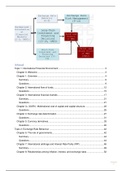
• As an MNC, you deal with foreign exchange markets:
o To export and import foreign products at foreign product markets.
o To invest and borrow currencies at international financial markets.
o To export/import: Provide funding (= lending or investment) or remit
dividends (= re-take profits back to HQ) for this subsidiary through the two
markets above.
Goals and conflict:
• Goal financial manager → Maximise shareholder wealth (= maximise MNC value).
• Constraints interfering with the goal:
o Environmental constraints → Pollution.
o Regulatory constraints → Employee rights, tax law.
o Ethical constraints → Government bribes.
• Corporate governance → System by which a company is directed and controlled →
Do managers act in the best interest of shareholders → Agency theory.
o Internal firm rules you intend to follow
Agency theory: Conflict of goals
• Exists whenever the principal contracts the agent to take actions on behalf of the
principal and represent the principal’s interests.
o However, the agent has self-interest.
o The principal can’t control what the agent does due to asymmetric
information.
4
, Principal provides incentives for the agent to perform properly:
• Direct costs
o Monitoring → External auditors that check work quality.
o Compensation → Financial payment to align principal with agent goals.
• Indirect costs
o Free cash flow hypothesis → A company that generates a lot of free cash
will be less disciplined with its spending (i.e. buy a private jet) than a company
that has debt.
o Managers decide in favour of other stakeholders → If manager cares more
about a subsidiary, then the decisions he takes are more aligned to the
subsidiary instead of (HQ) shareholder value.
• Corporate control → Ideas to solve P-A problem:
o Compensation schemes aligned with shareholder interest (i.e. stock options).
o Hostile takeover threat: If the company does not perform, then it is inefficient
and will be bought up by competitors → New shareholders will fire him.
o Investor monitoring: Monitoring by major shareholders with sufficient power.
Agency costs larger for MNCs due to:
• Monitoring distant managers
• Culture differences
• Operations and communication complexity
Do local managers maximise MNC value or subsidiary value?
• Centralised: HQ financial managers control subsidiaries.
o
o Pros:
▪ More control.
▪ Lower costs (less functions required).
▪ No efficiencies as activities are not duplicated.
▪ Financial managers focus on HQ (instead of subunit) → Optimal
decisions and no fragmentation.
• Decentralised: HQ financial managers control subsidiary managers, who in turn
control subsidiaries.
5
Topic 1: International Financial Environment ......................................................................... 3
Chapter 0: Welcome .......................................................................................................... 3
Chapter 1: Overview .......................................................................................................... 4
Summary ........................................................................................................................ 9
Questions ....................................................................................................................... 9
Chapter 2: International flow of funds ................................................................................12
Questions ......................................................................................................................15
Chapter 3: International financial markets .........................................................................17
Summary .......................................................................................................................21
Questions ......................................................................................................................21
Chapter 3+ (OAR1): Multinational cost of capital and capital structure ..............................23
Questions ......................................................................................................................25
Chapter 4: Exchange rate determination ...........................................................................27
Questions ......................................................................................................................31
Chapter 5: Currency derivatives ........................................................................................33
Questions ......................................................................................................................40
Topic 2: Exchange Rate Behaviour ......................................................................................42
Chapter 6: The role of governments ..................................................................................42
Summary .......................................................................................................................44
Questions ......................................................................................................................44
Chapter 7: International arbitrage and Interest Rate Parity (IRP) ......................................46
Summary .......................................................................................................................49
Chapter 8: Relationships among inflation, interest, and exchange rates ...........................52
1
, Summary .......................................................................................................................55
Questions ......................................................................................................................55
Topic 3: Exchange Rate Risk Management ..........................................................................59
Chapter 9: Forecasting exchange rates ............................................................................59
Questions ......................................................................................................................64
Chapter 10: Measuring exposure to exchange rate fluctuations ........................................65
Questions ......................................................................................................................73
Chapter 11: Managing transaction exposure .....................................................................75
Summary .......................................................................................................................86
Questions ......................................................................................................................86
Chapter 12: Managing economic exposure and translation exposure ...............................90
Summary .......................................................................................................................95
Questions ......................................................................................................................95
Topic 4: Long-Term Investment and Financing Decisions ....................................................98
Chapter 13: FDI – Valuation problem ................................................................................98
Questions ....................................................................................................................104
Chapter 13+ (OAR2): Multinational capital budgeting .....................................................106
Questions ....................................................................................................................112
Chapter 14: Country risk analysis – Political problem......................................................115
Questions ....................................................................................................................123
Chapter 14+ (OAR3): Multinational capital restructuring .................................................125
Questions ....................................................................................................................128
Chapter 15: Long-term financing – Financing problem ....................................................132
Questions ....................................................................................................................136
Chapter 16: Ethics – Ethical problem ..............................................................................137
Questions ....................................................................................................................140
Topic 5: Short-Term Investment and Financing Decisions ..................................................142
Chapter 17: Financing international trade .......................................................................142
Summary .....................................................................................................................146
Questions ....................................................................................................................146
Chapter 18: Short-term financing ....................................................................................147
Questions ....................................................................................................................149
Chapter 19: International cash management ..................................................................150
Questions ....................................................................................................................154
Sowiso practice questions ..................................................................................................156
2
,Topic 1: International Financial Environment
Chapter 0: Welcome
• MNC: A corporation with facilities and other assets in at least one other country (apart
from home country).
o A: You own a company and produce and sell products there.
o B: Export
o C: Subsidiary
o D: Acquisition
Positives of MNCs:
• Provide investments
• Provide jobs
• Development of infrastructure
• Transfer of technology
• Access among countries that usually don’t participate (developing countries)
Negatives of MNCs:
• Decapitalisation (= depriving wealth) from countries
• Create income inequality
• Exploit poor workers
• Shift responsibilities to others
• Dependency of countries on MNCs
• Domestic companies lose market shares
3
,Chapter 1: Overview
• As an MNC, you deal with foreign exchange markets:
o To export and import foreign products at foreign product markets.
o To invest and borrow currencies at international financial markets.
o To export/import: Provide funding (= lending or investment) or remit
dividends (= re-take profits back to HQ) for this subsidiary through the two
markets above.
Goals and conflict:
• Goal financial manager → Maximise shareholder wealth (= maximise MNC value).
• Constraints interfering with the goal:
o Environmental constraints → Pollution.
o Regulatory constraints → Employee rights, tax law.
o Ethical constraints → Government bribes.
• Corporate governance → System by which a company is directed and controlled →
Do managers act in the best interest of shareholders → Agency theory.
o Internal firm rules you intend to follow
Agency theory: Conflict of goals
• Exists whenever the principal contracts the agent to take actions on behalf of the
principal and represent the principal’s interests.
o However, the agent has self-interest.
o The principal can’t control what the agent does due to asymmetric
information.
4
, Principal provides incentives for the agent to perform properly:
• Direct costs
o Monitoring → External auditors that check work quality.
o Compensation → Financial payment to align principal with agent goals.
• Indirect costs
o Free cash flow hypothesis → A company that generates a lot of free cash
will be less disciplined with its spending (i.e. buy a private jet) than a company
that has debt.
o Managers decide in favour of other stakeholders → If manager cares more
about a subsidiary, then the decisions he takes are more aligned to the
subsidiary instead of (HQ) shareholder value.
• Corporate control → Ideas to solve P-A problem:
o Compensation schemes aligned with shareholder interest (i.e. stock options).
o Hostile takeover threat: If the company does not perform, then it is inefficient
and will be bought up by competitors → New shareholders will fire him.
o Investor monitoring: Monitoring by major shareholders with sufficient power.
Agency costs larger for MNCs due to:
• Monitoring distant managers
• Culture differences
• Operations and communication complexity
Do local managers maximise MNC value or subsidiary value?
• Centralised: HQ financial managers control subsidiaries.
o
o Pros:
▪ More control.
▪ Lower costs (less functions required).
▪ No efficiencies as activities are not duplicated.
▪ Financial managers focus on HQ (instead of subunit) → Optimal
decisions and no fragmentation.
• Decentralised: HQ financial managers control subsidiary managers, who in turn
control subsidiaries.
5