Prescribing in Kidney Disease
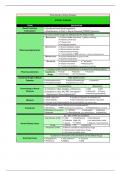
KIDNEY DISEASE
TERM DEFINITION
Renal Function ▪ Cockcroft and Gault equation
Calculators ▪ Modification of Diet in Renal Disease [MDRD] Equation
The way in which drugs are a ected by the body in CKD
Absorption ▪ Uraemia (N&V, Diarrhoea, gastric motility)
▪ Oedema of GI tract
▪ Gastric pH
▪ Phosphate binders
Distribution ▪ Altered hydration status
▪ Altered protein binders
Pharmacodynamics
▪ Altered tissue binding
▪ permeability of BBB (confusion – opioids, antidepressents)
Metabolism ▪ Insulin metabolism (progressive CKD)
▪ Vitamin D activation
Excretion ▪ Glomerular filtration ▪ pH levels
▪ Tubular secretion ▪ Reabsorption
▪ urine concentration (accumulation in opioids)
A change in either volume of distribution or clearance has di ering e ects
Pharmacokinetics Caution in ▪ Insulin ▪ Opioids. ▪ Aciclovir
drugs ▪ Gentamycin ▪ Co-Trimoxazole
Common Drugs in Renal High tablet burden
Disease ▪ Antihypertensives ▪ Sodium Bicarbonate ▪ Vitamin D
▪ Phosphate binders ▪ Anaemia tx (e.g. EPO)
Considerations Resources
Prescribing in Renal 1) Indication, C&S, allergies, intolerance ▪ BNF ▪ SPC
Disease 2) Suitable in CKD, AKI, RRT, Transplant? ▪ Bristol MI ▪ Theory
Nephrotoxic? Dose Adjustment? ▪ Renal Drug Handbook
▪ eGFR <10ml/ml ▪ usually on diuretics to maintain UO
Dialysis ▪ Avoid NSAIDs ▪ take medication post dialysis if possible
▪ Consult renal drug handbook for accumulation (e.g. opioids / abx)
▪ All Tx patients require lifelong immunosuppressants:
Transplant ▪ Tacrolimus ▪ MMF (Azathioprine in pregnancy) ▪ Omeprazole (for 3 months)
Medications to avoid in ▪ NSAIDs ▪ Antifungals ▪ Diltiazem
Transplant ▪ Macrolide abx (e.g. clarithromycin). ▪ Allopurinol
20 – 30% of AKIs are avoidable
Risk Factors of AKI ▪ CKD ▪ Heart Failure ▪ Liver Disease
▪ Diabetes ▪ Age >65 ▪ on nephrotoxic meds
Acute Kidney Injury ▪ Sepsis ▪ NEWS ▪ Oliguria / hypovolaemia
Drugs ▪ NSAIDs ▪ PPI ▪ Antibiotics
Prevention of AKI ▪ Risk Vs. benefit for nephrotoxic drugs
▪ Monitoring of nephrotoxic drugs
▪ Minimise avoidable harm
Guidance in the event of acute illness on the below drugs:
Sick Day Rules ▪ Dapagliflozin ▪ ACE inhibitors ▪ Diuretics
▪ Metformin ▪ NSAIDs ▪ ARB
KIDNEY DISEASE
TERM DEFINITION
Renal Function ▪ Cockcroft and Gault equation
Calculators ▪ Modification of Diet in Renal Disease [MDRD] Equation
The way in which drugs are a ected by the body in CKD
Absorption ▪ Uraemia (N&V, Diarrhoea, gastric motility)
▪ Oedema of GI tract
▪ Gastric pH
▪ Phosphate binders
Distribution ▪ Altered hydration status
▪ Altered protein binders
Pharmacodynamics
▪ Altered tissue binding
▪ permeability of BBB (confusion – opioids, antidepressents)
Metabolism ▪ Insulin metabolism (progressive CKD)
▪ Vitamin D activation
Excretion ▪ Glomerular filtration ▪ pH levels
▪ Tubular secretion ▪ Reabsorption
▪ urine concentration (accumulation in opioids)
A change in either volume of distribution or clearance has di ering e ects
Pharmacokinetics Caution in ▪ Insulin ▪ Opioids. ▪ Aciclovir
drugs ▪ Gentamycin ▪ Co-Trimoxazole
Common Drugs in Renal High tablet burden
Disease ▪ Antihypertensives ▪ Sodium Bicarbonate ▪ Vitamin D
▪ Phosphate binders ▪ Anaemia tx (e.g. EPO)
Considerations Resources
Prescribing in Renal 1) Indication, C&S, allergies, intolerance ▪ BNF ▪ SPC
Disease 2) Suitable in CKD, AKI, RRT, Transplant? ▪ Bristol MI ▪ Theory
Nephrotoxic? Dose Adjustment? ▪ Renal Drug Handbook
▪ eGFR <10ml/ml ▪ usually on diuretics to maintain UO
Dialysis ▪ Avoid NSAIDs ▪ take medication post dialysis if possible
▪ Consult renal drug handbook for accumulation (e.g. opioids / abx)
▪ All Tx patients require lifelong immunosuppressants:
Transplant ▪ Tacrolimus ▪ MMF (Azathioprine in pregnancy) ▪ Omeprazole (for 3 months)
Medications to avoid in ▪ NSAIDs ▪ Antifungals ▪ Diltiazem
Transplant ▪ Macrolide abx (e.g. clarithromycin). ▪ Allopurinol
20 – 30% of AKIs are avoidable
Risk Factors of AKI ▪ CKD ▪ Heart Failure ▪ Liver Disease
▪ Diabetes ▪ Age >65 ▪ on nephrotoxic meds
Acute Kidney Injury ▪ Sepsis ▪ NEWS ▪ Oliguria / hypovolaemia
Drugs ▪ NSAIDs ▪ PPI ▪ Antibiotics
Prevention of AKI ▪ Risk Vs. benefit for nephrotoxic drugs
▪ Monitoring of nephrotoxic drugs
▪ Minimise avoidable harm
Guidance in the event of acute illness on the below drugs:
Sick Day Rules ▪ Dapagliflozin ▪ ACE inhibitors ▪ Diuretics
▪ Metformin ▪ NSAIDs ▪ ARB