, TABLE OF CONTENTS Cyclic Electron Flow...................................................................................................................................11
05 Other Photosynthetic Pathways...................................................................................................... 12
PYRUVATE OXIDATION AND KREBS CYCLE...............................................................................2
Carbon 3 Pathway...................................................................................................................................... 12
01 Review on Glycolysis.....................................................................................................................................2
Carbon 4 Pathway...................................................................................................................................... 12
Glycolysis............................................................................................................................................................ 2
Crassulacean Acid Metabolism Pathway..............................................................................13
Alcoholic Fermentation.......................................................................................................................... 3
Lactic Acid Fermentation......................................................................................................................3
PLANT TISSUES AND MULTICELLULAR PLANT BODIES.....................................................14
Oxaloacetate Formation.........................................................................................................................3
01 Primary Plant Structure............................................................................................................................14
Alanine Formation.......................................................................................................................................3
Functions According to System.................................................................................................... 14
Malate Formation........................................................................................................................................ 3
02 Cells and Tissues of the Plant Body............................................................................................. 14
Ethanol Formation...................................................................................................................................... 4
Tissues................................................................................................................................................................ 14
02 Pyruvate Oxidation........................................................................................................................................4
Plant Tissues: Complexity.................................................................................................................. 14
Steps in Photo.................................................................................................................................................4
Plant Tissues: Location......................................................................................................................... 14
Steps of Pyruvate Oxidation............................................................................................................... 4
03 Ground Tissue System.............................................................................................................................14
03 Krebs Cycle...........................................................................................................................................................5
Ground Tissue System...........................................................................................................................14
Steps of the Krebs Cycle.........................................................................................................................5
Parenchyma cells.......................................................................................................................................15
04 Electron Transport Chain..........................................................................................................................7
Collenchyma cells......................................................................................................................................15
Mitochondria....................................................................................................................................................7
Sclerenchyma cells.................................................................................................................................. 15
Compartmentalization............................................................................................................................ 7
04 Vascular Tissue System..........................................................................................................................15
Most Energy from Redox........................................................................................................................ 7
Vascular Tissue System....................................................................................................................... 15
Electron Transport Chain....................................................................................................................... 7
Xylem....................................................................................................................................................................16
4 Complexes in the ETC..........................................................................................................................8
Phloem.................................................................................................................................................................16
NADH Produced from Glycolysis..................................................................................................... 8
05 Dermal Tissue System............................................................................................................................. 16
Electrons Flow Downhill.........................................................................................................................8
Dermal Tissue System...........................................................................................................................16
Total ATP from Mitochondrial Matrix...........................................................................................9
Epidermis..........................................................................................................................................................16
Periderm............................................................................................................................................................. 17
PHOTOSYNTHESIS.............................................................................................................................. 10
06 Meristem.............................................................................................................................................................. 17
01 Metabolism.........................................................................................................................................................10
Meristems.........................................................................................................................................................17
Metabolism..................................................................................................................................................... 10
Plant Growth Process.............................................................................................................................. 17
02 Photosynthesis.............................................................................................................................................. 10
Types of Meristematic Growth.........................................................................................................17
Photosynthesis............................................................................................................................................ 10
Factors Affecting Photosynthesis................................................................................................10
03 Process of Photosynthesis and Chloroplast Organization.......................................10
Photosystem....................................................................................................................................................11
04 Cyclic Electron Flow`................................................................................................................................... 11
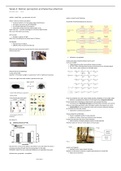
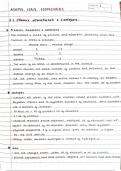
, PYRUVATE OXIDATION AND KREBS CYCLE
Aerobic Oxidation
01 Review on Glycolysis ★ Carried out by all
Glycolysis multicellular
organisms
★ In citric acid cycle
and oxidative
phosphorylation
★ NAD+ → COs + NADH
+ H+
★ It is a preliminary phase which takes place in the cytosol of
the cell; it is the breaking down of 6C chain molecule
(glucose) to two 3C chain (pyruvate) molecules
○ Pyruvate is a crossroad molecule
■ A crossroad molecule has a lot of routes Anaerobic
depending on oxygen availability [alcoholic fermentation]
★ Glycolysis allows glucose to be broken down to pyruvate to go
★ Carried out by
from the cytosol to the mitochondria yeasts and some
○ Glucose can’t get into the mitochondria due to its bacteria
size (it must first be broken down) ★ NADH + H → NAD+
★ The fates of pyruvate produced by glycolysis
Anaerobic
[lactic acid fermentation]
★ Carried out by
yogurt bacteria &
human muscle cells
★ Produces lactate
★ NADH + H+ → NAD+
** depending on the presence of oxygen, the pyruvate will
either enter fermentation process or proceed towards the
Krebs cycle
** NAD+ is made anaerobically in order to feed it into the
electron transport chain
** only about 7% of the total potential energy present in
glucose is released in glycolysis
05 Other Photosynthetic Pathways...................................................................................................... 12
PYRUVATE OXIDATION AND KREBS CYCLE...............................................................................2
Carbon 3 Pathway...................................................................................................................................... 12
01 Review on Glycolysis.....................................................................................................................................2
Carbon 4 Pathway...................................................................................................................................... 12
Glycolysis............................................................................................................................................................ 2
Crassulacean Acid Metabolism Pathway..............................................................................13
Alcoholic Fermentation.......................................................................................................................... 3
Lactic Acid Fermentation......................................................................................................................3
PLANT TISSUES AND MULTICELLULAR PLANT BODIES.....................................................14
Oxaloacetate Formation.........................................................................................................................3
01 Primary Plant Structure............................................................................................................................14
Alanine Formation.......................................................................................................................................3
Functions According to System.................................................................................................... 14
Malate Formation........................................................................................................................................ 3
02 Cells and Tissues of the Plant Body............................................................................................. 14
Ethanol Formation...................................................................................................................................... 4
Tissues................................................................................................................................................................ 14
02 Pyruvate Oxidation........................................................................................................................................4
Plant Tissues: Complexity.................................................................................................................. 14
Steps in Photo.................................................................................................................................................4
Plant Tissues: Location......................................................................................................................... 14
Steps of Pyruvate Oxidation............................................................................................................... 4
03 Ground Tissue System.............................................................................................................................14
03 Krebs Cycle...........................................................................................................................................................5
Ground Tissue System...........................................................................................................................14
Steps of the Krebs Cycle.........................................................................................................................5
Parenchyma cells.......................................................................................................................................15
04 Electron Transport Chain..........................................................................................................................7
Collenchyma cells......................................................................................................................................15
Mitochondria....................................................................................................................................................7
Sclerenchyma cells.................................................................................................................................. 15
Compartmentalization............................................................................................................................ 7
04 Vascular Tissue System..........................................................................................................................15
Most Energy from Redox........................................................................................................................ 7
Vascular Tissue System....................................................................................................................... 15
Electron Transport Chain....................................................................................................................... 7
Xylem....................................................................................................................................................................16
4 Complexes in the ETC..........................................................................................................................8
Phloem.................................................................................................................................................................16
NADH Produced from Glycolysis..................................................................................................... 8
05 Dermal Tissue System............................................................................................................................. 16
Electrons Flow Downhill.........................................................................................................................8
Dermal Tissue System...........................................................................................................................16
Total ATP from Mitochondrial Matrix...........................................................................................9
Epidermis..........................................................................................................................................................16
Periderm............................................................................................................................................................. 17
PHOTOSYNTHESIS.............................................................................................................................. 10
06 Meristem.............................................................................................................................................................. 17
01 Metabolism.........................................................................................................................................................10
Meristems.........................................................................................................................................................17
Metabolism..................................................................................................................................................... 10
Plant Growth Process.............................................................................................................................. 17
02 Photosynthesis.............................................................................................................................................. 10
Types of Meristematic Growth.........................................................................................................17
Photosynthesis............................................................................................................................................ 10
Factors Affecting Photosynthesis................................................................................................10
03 Process of Photosynthesis and Chloroplast Organization.......................................10
Photosystem....................................................................................................................................................11
04 Cyclic Electron Flow`................................................................................................................................... 11
, PYRUVATE OXIDATION AND KREBS CYCLE
Aerobic Oxidation
01 Review on Glycolysis ★ Carried out by all
Glycolysis multicellular
organisms
★ In citric acid cycle
and oxidative
phosphorylation
★ NAD+ → COs + NADH
+ H+
★ It is a preliminary phase which takes place in the cytosol of
the cell; it is the breaking down of 6C chain molecule
(glucose) to two 3C chain (pyruvate) molecules
○ Pyruvate is a crossroad molecule
■ A crossroad molecule has a lot of routes Anaerobic
depending on oxygen availability [alcoholic fermentation]
★ Glycolysis allows glucose to be broken down to pyruvate to go
★ Carried out by
from the cytosol to the mitochondria yeasts and some
○ Glucose can’t get into the mitochondria due to its bacteria
size (it must first be broken down) ★ NADH + H → NAD+
★ The fates of pyruvate produced by glycolysis
Anaerobic
[lactic acid fermentation]
★ Carried out by
yogurt bacteria &
human muscle cells
★ Produces lactate
★ NADH + H+ → NAD+
** depending on the presence of oxygen, the pyruvate will
either enter fermentation process or proceed towards the
Krebs cycle
** NAD+ is made anaerobically in order to feed it into the
electron transport chain
** only about 7% of the total potential energy present in
glucose is released in glycolysis